
Difference Between Sport Coat and Blazer: Everything You Need to Know Before You Buy
Shopping for tailored jackets can be confusing, especially if you’re trying to understand the difference between sport coat and blazer. At first glance, they look almost identical, and many retailers even use the names interchangeably. However, these jackets serve different purposes, have distinct design features, and suit different occasions. Knowing which one to buy helps you build a wardrobe that looks polished without spending money on pieces you won’t wear.
Whether you’re dressing for work, a wedding, dinner with friends, or a smart-casual event, understanding the role of each jacket makes choosing the right outfit much easier.
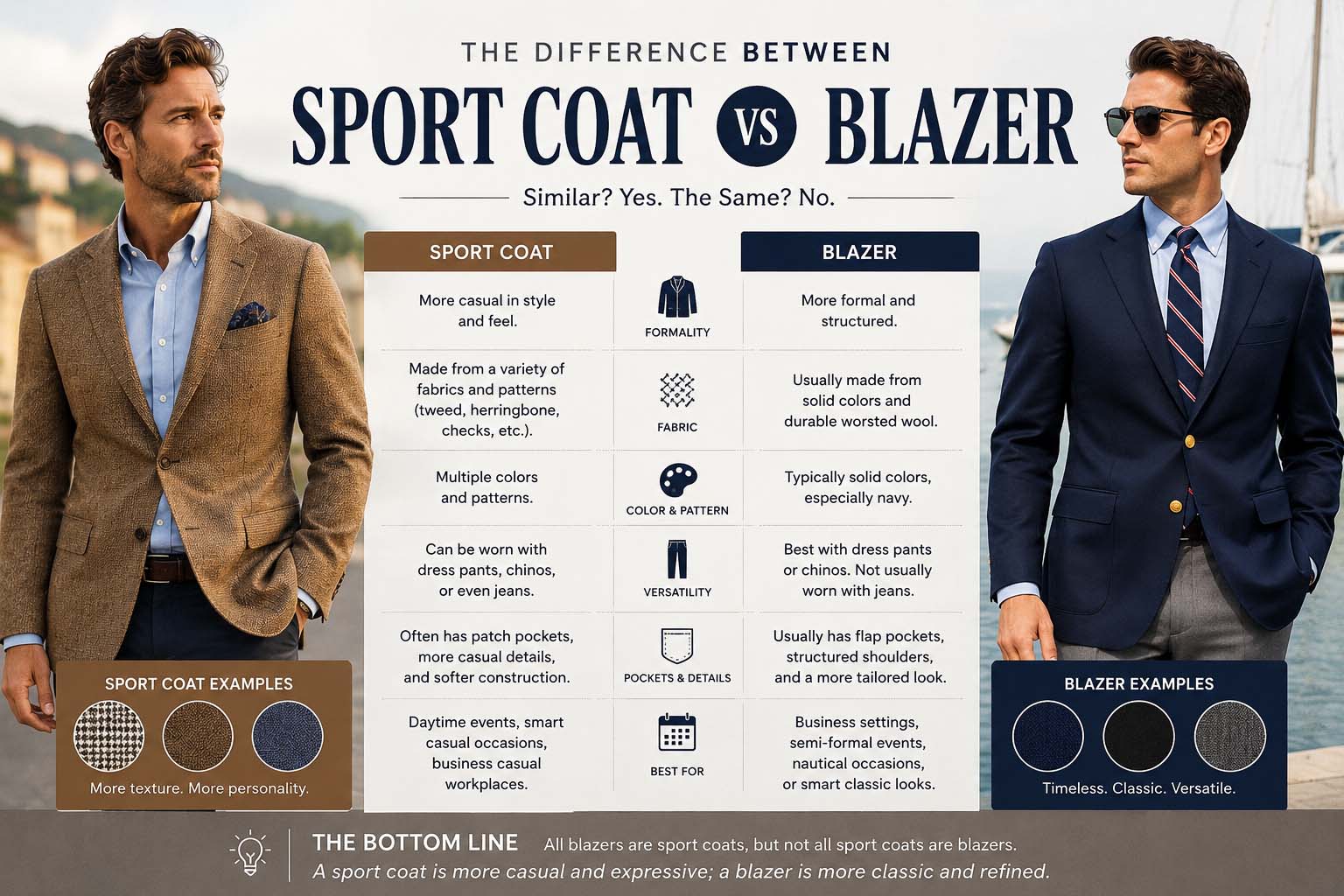
Difference Between Sport Coat and Blazer: Quick Comparison
Here’s a simple overview before looking at the details.
| Feature | Sport Coat | Blazer |
|---|---|---|
| Formality | Casual to smart casual | Smart casual to business casual |
| Fabric | Textured and patterned | Smooth, solid fabrics |
| Buttons | Matching or subtle | Metal or contrasting |
| Best With | Jeans, chinos, corduroys | Dress trousers, chinos |
| Common Colors | Brown, olive, gray, checks | Navy, charcoal, black |
| Typical Use | Weekends and social events | Office, dinners, business casual |
Neither jacket is better than the other. The right choice depends on where you plan to wear it and the rest of your wardrobe.
What Is a Sport Coat?
A sport coat traces its origins to outdoor sporting activities in Britain. Although today’s versions are much more refined, they still keep their relaxed character.
You’ll often notice features like:
- Textured fabrics
- Plaid or checked patterns
- Softer shoulder construction
- Earth-tone colors
- Slightly roomier styling
A sport coat is designed to be worn as a standalone jacket rather than part of a matching suit.
It pairs naturally with:
- Dark jeans
- Chinos
- Corduroy trousers
- Knit sweaters
- Casual button-down shirts
Because it isn’t tied to matching trousers, it gives you plenty of flexibility when creating outfits.
What Is a Blazer?
A blazer occupies the space between a sport coat and a suit jacket.
Originally inspired by naval uniforms, today’s blazers are wardrobe essentials thanks to their versatility and timeless appearance.
Most blazers feature:
- Solid colors
- Smooth wool or cotton fabrics
- Structured shoulders
- Decorative metal buttons
- Clean, tailored lines
A classic navy blazer remains one of the easiest pieces to dress up or down.
If you’re still deciding where each tailored jacket fits, understanding the difference between blazer and suit jacket makes it much easier to know when each style is appropriate.
Difference Between a Blazer and Sport Coat
Many shoppers ask about the difference between blazer and sport coat because both can be worn without matching trousers.
The biggest distinctions come down to fabric, construction, and formality.
Fabric
Sport coats embrace texture.
Common materials include:
- Tweed
- Herringbone
- Linen blends
- Corduroy
- Brushed wool
Blazers usually feature smoother fabrics such as:
- Worsted wool
- Wool blends
- Cotton twill
- Stretch performance blends
These smoother fabrics create a sharper appearance that works well in professional settings.
Pattern
Sport coats often include:
- Plaid
- Windowpane
- Houndstooth
- Checks
- Subtle textured weaves
Blazers generally stay simple.
Most are available in classic solid colors that coordinate easily with different trousers.
Buttons
Buttons provide one of the easiest ways to identify each jacket.
Traditional blazers frequently feature:
- Brass buttons
- Gold-tone buttons
- Silver buttons
- Crest buttons
Sport coats usually use horn-look, wood-look, or fabric-matched buttons that blend into the design.
Structure
Blazers often have slightly more structure through the shoulders and chest.
Sport coats feel softer, making them more comfortable for casual outfits.
Which Jacket Is More Versatile?
If you’re buying your first tailored jacket, a blazer is usually the smarter investment.
A navy blazer can work for:
- Business casual offices
- Date nights
- Graduation ceremonies
- Cruises
- Smart-casual dinners
- Holiday gatherings
It also pairs with far more trousers than many people expect.
A sport coat becomes especially useful once you already own a blazer and want more variety in your wardrobe.
When Should You Wear a Sport Coat?
Sport coats excel in relaxed settings where a suit would feel overdressed.
They’re ideal for:
- Weekend lunches
- Outdoor weddings
- Wine tastings
- Casual networking events
- Family celebrations
- Fall and winter outfits
The extra texture gives your outfit more personality without sacrificing polish.
When Is a Blazer the Better Choice?
Choose a blazer whenever you want a cleaner, sharper appearance.
Good occasions include:
- Office meetings
- Business lunches
- Interviews with business casual dress codes
- Restaurant dinners
- Conferences
- Evening events
For professionals building office wardrobes, style inspiration from business casual women also highlights how blazers remain one of the most versatile pieces regardless of wardrobe preferences.
What’s the Difference Between a Blazer and a Sport Coat for Everyday Wear?
One of the most common questions shoppers ask is, whats the difference between a blazer and a sport coat if both seem appropriate for casual outfits.
The answer comes down to the overall impression.
A blazer creates a polished, refined appearance that easily transitions from work to dinner.
A sport coat feels more relaxed and expressive because of its textures and patterns.
If your workplace has a business casual dress code, a blazer will likely see more use.
If you spend more time at social gatherings, restaurants, or weekend events, a sport coat may become your favorite option.
Materials Matter More Than You Might Think
Fabric doesn’t just affect appearance.
It also changes comfort, durability, wrinkle resistance, and seasonal performance.
Wool
Wool remains the gold standard for both sport coats and blazers.
Benefits include:
- Breathable construction
- Natural wrinkle resistance
- Year-round comfort
- Excellent durability
Cotton
Cotton jackets are lighter and often more affordable.
They’re excellent for spring and summer but wrinkle more easily.
Linen
Linen works best during hot weather.
Although it wrinkles naturally, many shoppers appreciate its relaxed appearance.
Tweed
Tweed is closely associated with traditional sport coats.
Its textured finish and warmth make it a favorite during cooler months.
Finding the Right Fit
Fit matters far more than brand names.
Even an expensive jacket won’t look its best if it doesn’t fit properly.
When shopping, pay attention to:
Shoulders
The shoulder seam should sit naturally at the edge of your shoulders.
Oversized shoulders are difficult to alter.
Chest
You should be able to button the jacket comfortably without pulling across the front.
Sleeves
The sleeves should end around your wrist bone, allowing a small amount of shirt cuff to remain visible.
Jacket Length
A traditional jacket should generally cover most of your seat while maintaining balanced proportions.
Trying on multiple brands is worthwhile because sizing varies considerably between manufacturers.
Buying Guide: Which One Should You Buy First?
If you’re building a wardrobe from scratch, a blazer is usually the better first purchase. Its versatility makes it suitable for office wear, dinners, networking events, and many smart-casual occasions.
A sport coat is often the next logical addition. It introduces texture, color, and personality while expanding the number of outfits you can create.
Before making a purchase, ask yourself:
- Will I wear this mostly for work or weekends?
- Do I already own a matching suit?
- Will it pair with the trousers I already have?
- Do I want a timeless piece or something more seasonal?
- Is my wardrobe mostly casual or business casual?
Thinking about these questions can help you choose a jacket you’ll actually wear rather than one that stays in the closet.
How to Match Your Jacket With Shirts and Trousers
The rest of your outfit has a big influence on how polished your jacket looks.
A navy blazer pairs well with:
- White dress shirts
- Light blue Oxford shirts
- Gray wool trousers
- Beige chinos
- Brown leather shoes
A sport coat offers more flexibility with textures and colors.
Try combining it with:
- Dark denim
- Olive chinos
- Knit polos
- Patterned button-down shirts
- Suede loafers
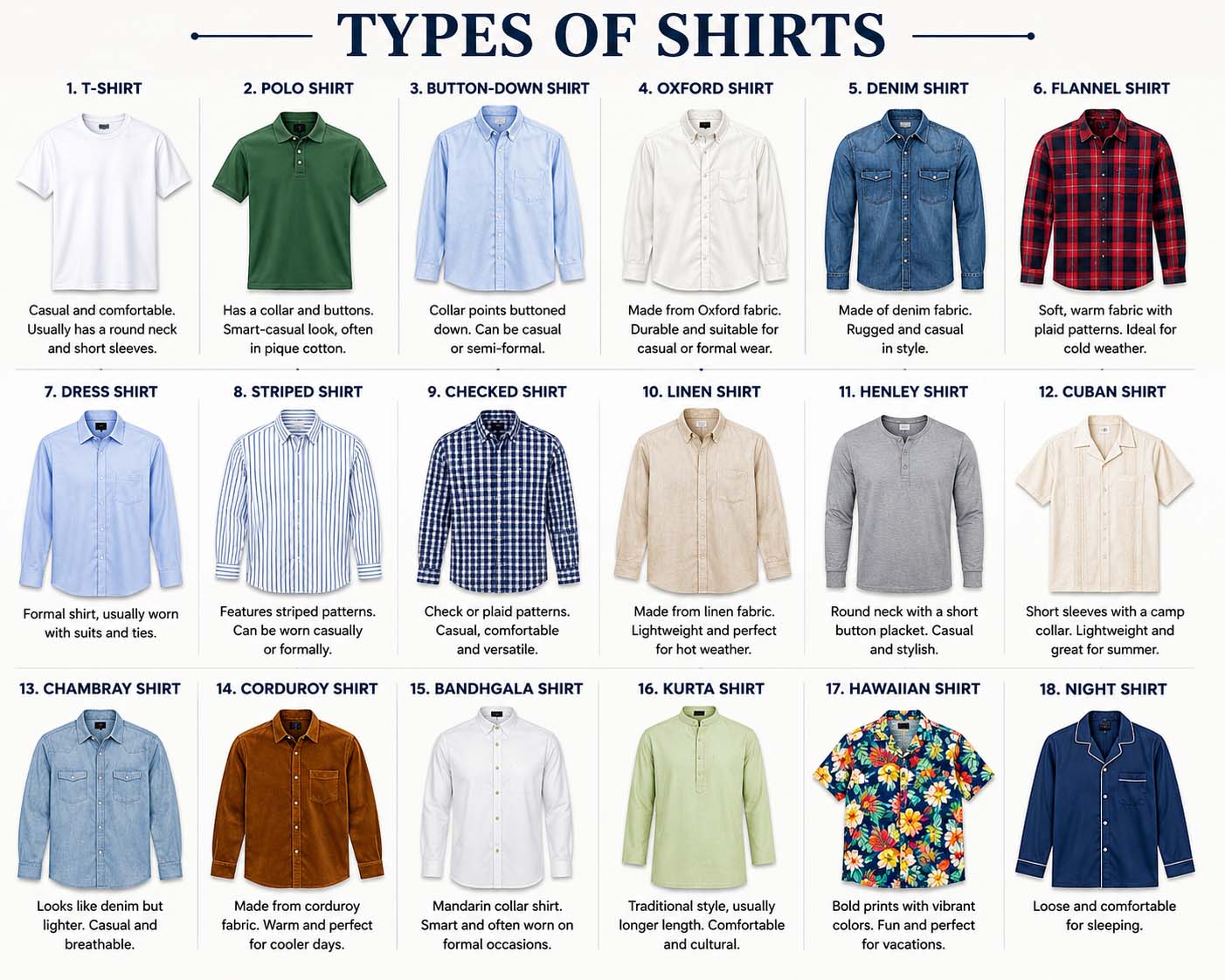
If you’re unsure which shirt works best, learning about different types of shirts can help you build outfits that match the occasion and complement your jacket.
Typical Price Range
Prices vary depending on the brand, fabric, construction, and retailer, but these estimates provide a useful starting point.
| Category | Typical Price |
|---|---|
| Budget | $75–$200 |
| Mid-range | $200–$500 |
| Premium | $500–$1,000 |
| Luxury Designer | $1,000+ |
Higher prices often reflect better fabrics, improved tailoring, and more durable construction. However, a well-fitting mid-range jacket can outperform an expensive one that doesn’t fit properly.
Pros and Cons
Sport Coat
Pros
- Adds texture and personality
- Pairs well with jeans and chinos
- Excellent for smart-casual outfits
- Wide range of colors and patterns
Cons
- Less appropriate for conservative offices
- Bold patterns may be harder to match
- Some fabrics are seasonal rather than year-round
Blazer
Pros
- Extremely versatile
- Suitable for many professional settings
- Timeless style
- Easy to dress up or down
Cons
- Usually available in fewer colors
- Decorative buttons may limit styling options
- Can appear slightly formal in very casual environments
Common Shopping Mistakes
Avoiding a few common mistakes can help you choose a jacket you’ll enjoy wearing for years.
Buying the Wrong Size
Many shoppers focus on chest size while overlooking shoulder fit.
Since shoulder alterations are difficult and expensive, always prioritize a jacket that fits properly across the shoulders.
Ignoring Fabric Quality
The label matters.
Natural fibers such as wool usually breathe better and maintain their shape longer than inexpensive synthetic fabrics.
Following Trends Instead of Versatility
Bold colors and oversized fits may look appealing today, but classic styles tend to remain wearable for many years.
Neutral colors also coordinate with more items in your wardrobe.
Forgetting About the Occasion
Before purchasing, think about where you’ll actually wear the jacket.
Someone attending business meetings every week has different needs than someone looking for a jacket for occasional dinners or celebrations.
Caring for Your Jacket
Good care extends the life of both blazers and sport coats.
Simple habits include:
- Hang the jacket on a sturdy wooden hanger.
- Brush away dust after wearing.
- Steam wrinkles instead of pressing with a hot iron whenever possible.
- Rotate between jackets instead of wearing the same one every day.
- Follow the care label before dry cleaning.
Frequent dry cleaning can shorten the lifespan of natural fibers, so cleaning only when necessary is usually the better approach.
Alternatives Worth Considering
If neither option seems like the perfect fit, several alternatives deserve a look.
Suit Jacket
While some people separate the pieces, it generally creates a more formal appearance than a blazer. If you’re comparing formal tailoring, understanding the difference between tux and suit can help you choose the right option for special occasions.
Knit Blazer
A knit blazer combines the appearance of traditional tailoring with the comfort of a cardigan. It’s an excellent choice for travel and relaxed business casual environments.
Overshirt
An overshirt offers a casual alternative when a blazer feels too formal but you still want an extra layer.
Frequently Asked Questions
Is a blazer more formal than a sport coat?
Yes. A blazer generally sits above a sport coat in terms of formality but below a matching suit.
Can I wear a sport coat with jeans?
Absolutely. Dark, slim-fitting jeans pair especially well with textured sport coats for smart-casual outfits.
Can a blazer replace a suit?
Not completely.
A blazer works for many occasions, although formal business events, traditional weddings, and black-tie functions usually require a suit or tuxedo.
Which color blazer should I buy first?
Navy remains the most versatile option because it coordinates easily with gray trousers, khaki chinos, white shirts, and brown shoes.
Are sport coats appropriate for weddings?
Yes, especially for outdoor, daytime, or smart-casual ceremonies. For more formal celebrations, a blazer or suit may be a better choice. If you’re attending an upcoming celebration, browsing ideas for wedding guest dresses can also help you understand the overall dress code and level of formality.
Can I wear the same blazer year-round?
Yes, if it’s made from a medium-weight wool or wool blend. Lightweight linen works better in summer, while tweed is ideal for colder months.
Making the Right Choice
Understanding the difference between sport coat and blazer helps you shop with confidence instead of relying on confusing labels. A blazer is the better all-around choice if you need one jacket for work, dinners, and business casual occasions. A sport coat is perfect when you want something more relaxed, textured, and expressive for weekends or social events.
Whichever style you choose, focus on fit first, quality fabric second, and versatility third. A well-made jacket that suits your lifestyle will deliver far more value than following short-lived fashion trends. With the right choice, you’ll have a timeless piece that works across seasons and occasions for years to come.