
Types of Shirts: A Complete Buying Guide for Every Style and Occasion
Choosing the right shirt can make everyday dressing easier, whether you need something for work, a formal event, a casual outing, or a holiday. However, with so many styles, fabrics, and fits available, finding the right option can feel confusing. Understanding the different types of shirts helps you build a practical wardrobe that suits your lifestyle, budget, and personal taste.
From classic dress shirts and comfortable T-shirts to breathable linen shirts and versatile polos, every style serves a different purpose. Therefore, learning about their features, benefits, and best uses can help you make smarter clothing decisions.
Types of Shirts: Understanding the Basics
Shirts come in several designs, each offering a different combination of comfort, appearance, and functionality. Some are designed for professional environments, while others work better for relaxed weekends or outdoor activities.
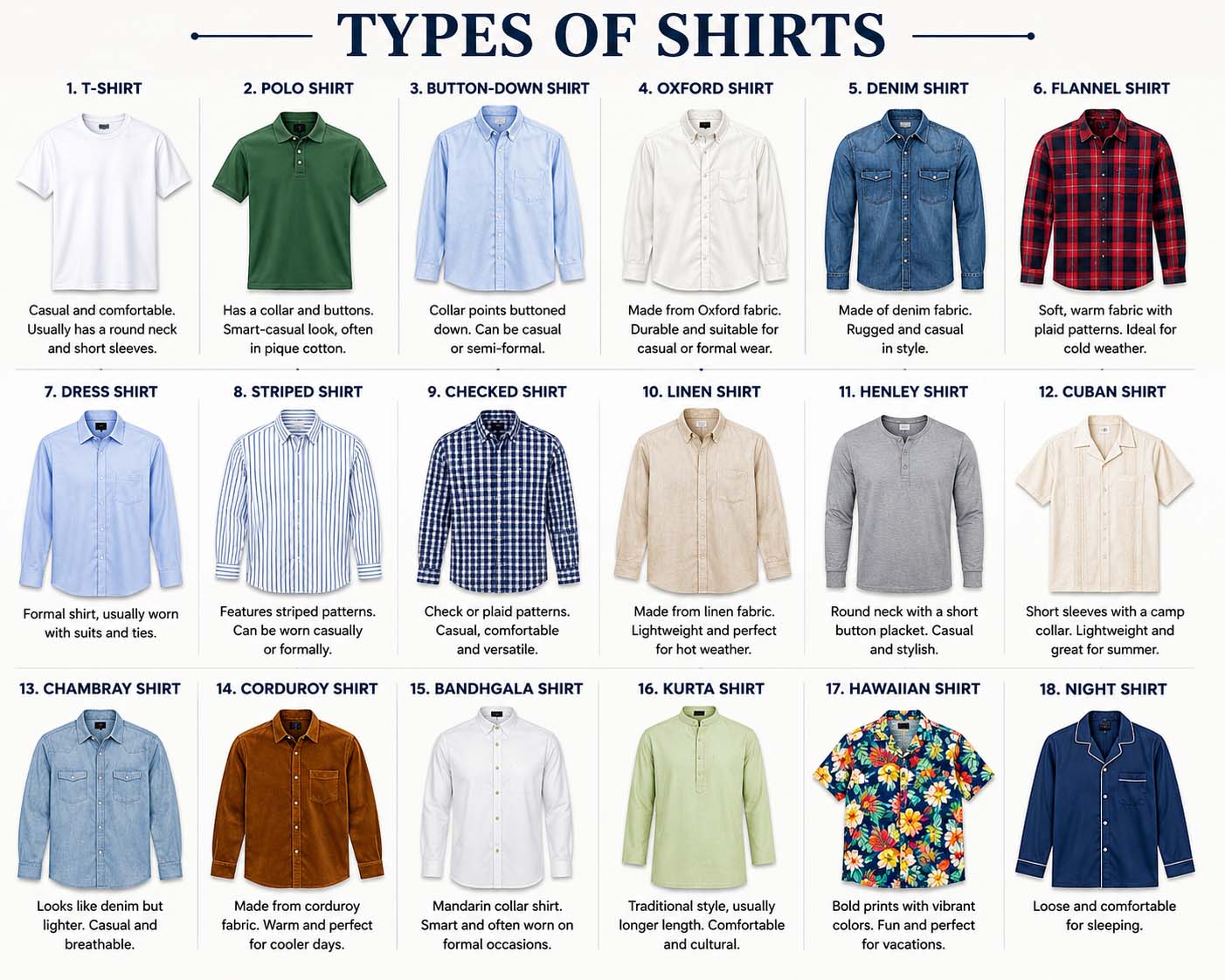
The most common styles include dress shirts, Oxford shirts, polo shirts, linen shirts, flannel shirts, denim shirts, and T-shirts. Additionally, overshirts, chambray shirts, and camp-collar shirts provide more options for people who want variety in their wardrobes.
When comparing types of shirts, consider three important factors: the occasion, the fabric, and the fit. A formal cotton shirt may be suitable for the office, whereas a loose linen shirt can be more comfortable in hot weather.
Dress Shirts for Formal Occasions
Dress shirts are designed for professional settings, business meetings, weddings, and formal celebrations. They typically feature a structured collar, button-down front, long sleeves, and a clean silhouette.
Cotton is a popular choice because it feels comfortable and looks polished. Some dress shirts also include polyester or stretch fibers to improve wrinkle resistance and flexibility.
Best occasions: Office wear, interviews, formal dinners, and special events.
Styling tip: Pair a well-fitted dress shirt with tailored trousers and dress shoes. For formal celebrations, coordinate the shirt with your suit and accessories. If you are choosing an outfit for a celebration, you may also find these wedding guest dresses useful for understanding event-appropriate clothing.
Types of Shirts for Smart-Casual Style: Oxford Shirts
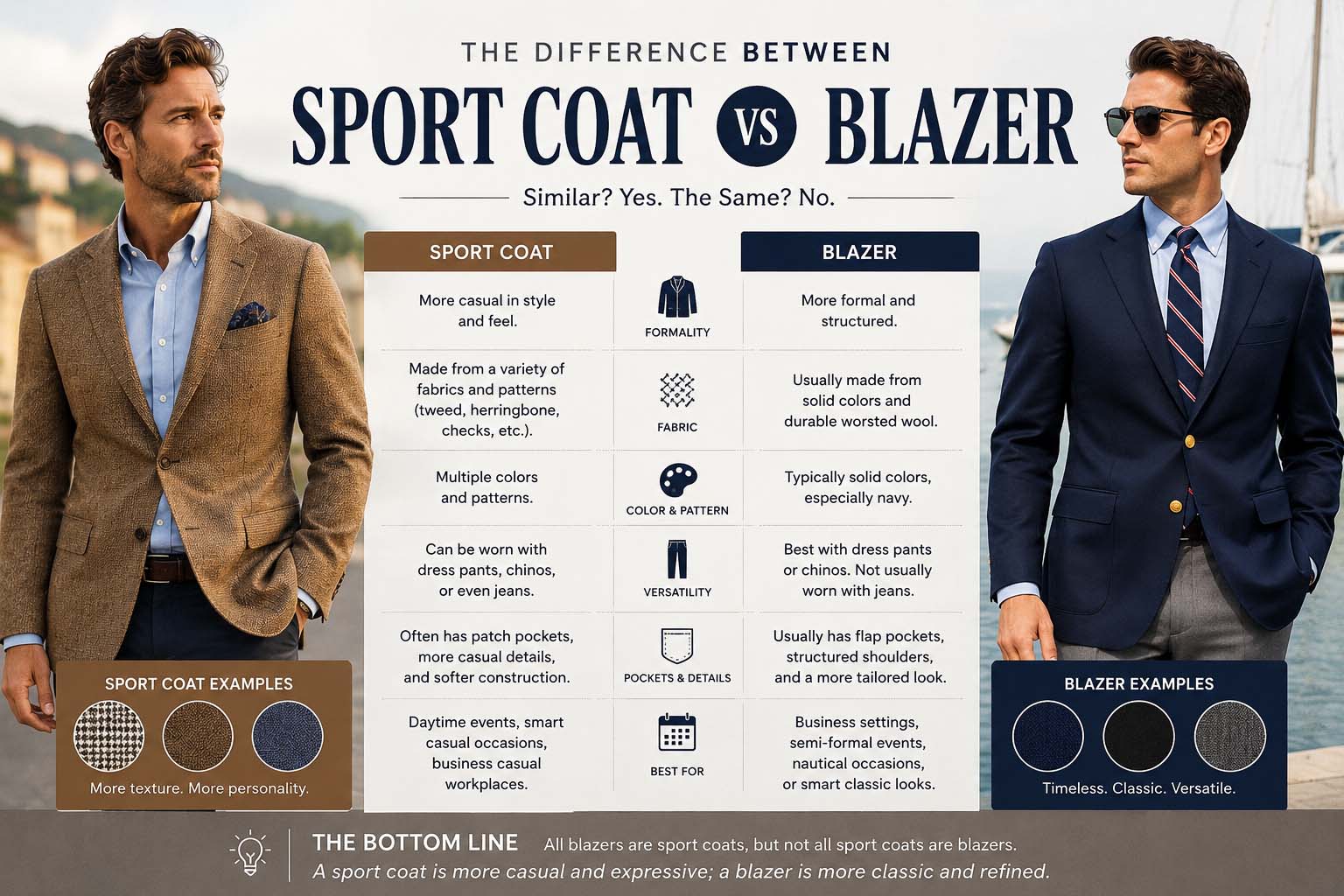
Oxford shirts are known for their slightly textured fabric and versatile appearance. Although they can look polished enough for many workplaces, they are usually less formal than traditional dress shirts.
The fabric is durable, making Oxford shirts suitable for regular use. White, light blue, and pale pink are classic color choices, while striped versions add variety.
Best occasions: Business-casual offices, dinners, weekend outings, and casual social events.
You can wear an Oxford shirt with chinos for a smart-casual look. Alternatively, combine it with jeans and sneakers for a relaxed outfit. This versatility makes it a useful option for people who want one shirt to work across several situations.
Types of Shirts for Everyday Wear: Polo Shirts
Polo shirts combine the comfort of a casual top with a more structured appearance. They usually feature a soft collar, a short button placket, and short sleeves.
Cotton piqué is a common material because its textured construction allows airflow. Performance fabrics are also available for people who prefer moisture-wicking clothing during warm weather or physical activities.
Best occasions: Casual offices, outdoor lunches, travel, and relaxed gatherings.
For a simple outfit, wear a polo shirt with chinos, jeans, or tailored shorts. Choose a solid color for a timeless appearance, or select a subtle pattern if you want something more distinctive.
Types of Shirts for Warm Weather: Linen Shirts
Linen shirts are particularly popular in warm climates because linen allows air to circulate and absorbs moisture. Their lightweight texture makes them comfortable for summer outings, holidays, and everyday wear.
However, linen wrinkles more easily than many other fabrics. These creases are a natural characteristic of the material, so a slightly relaxed appearance is often part of its appeal.
Best occasions: Beach holidays, summer events, casual dinners, and outdoor activities.
White, beige, light blue, and olive are practical colors for a warm-weather wardrobe. You can wear a linen shirt with lightweight trousers, cotton shorts, or chinos.
For the best results, check the care label before washing and avoid excessive heat when ironing.
Types of Shirts for Cooler Weather: Flannel Shirts
Flannel shirts are made from soft woven fabric that may be brushed to create a comfortable surface. Cotton flannel is especially common, although other fiber blends are also available.
These shirts are associated with cooler weather because their fabric provides more warmth than lightweight summer materials. Plaid patterns are traditional, but solid colors and modern designs are widely available.
Best occasions: Autumn outings, casual weekends, outdoor activities, and layered winter outfits.
Wear a flannel shirt with jeans and boots for a classic casual combination. When temperatures drop, layer it over a T-shirt or beneath a suitable jacket.
Types of Shirts for Casual Outfits: Denim Shirts
Denim shirts offer a sturdy appearance and a casual style inspired by traditional workwear. Although denim is commonly associated with jeans, it also works well for shirts and lightweight layering pieces.
Lighter denim often feels more comfortable in mild weather, while heavier versions provide a structured appearance. The color can range from pale blue to dark indigo.
Best occasions: Everyday wear, casual gatherings, road trips, and weekend activities.
You can combine a denim shirt with chinos or dark trousers. Wearing denim on denim can also work well, provided the shirt and jeans have enough color contrast to distinguish the pieces.
Types of T-Shirts for Everyday Wear
T-shirts are among the easiest clothing items to style. They are available in different necklines, sleeve lengths, fabrics, and fits, making them suitable for a wide range of casual situations.
Crew-Neck T-Shirts
Crew-neck T-shirts feature a rounded neckline that sits close to the base of the neck. Their simple design makes them suitable for everyday outfits and layering.
Wear one with jeans, shorts, or casual trousers. Neutral colors such as white, black, gray, and navy are especially easy to coordinate.
V-Neck T-Shirts
V-neck T-shirts have a neckline that forms a V shape. Depending on its depth, the design can create a slightly different appearance from a traditional crew neck.
They work well with casual trousers and can also be worn beneath open shirts or lightweight jackets.
Henley Shirts
Henley shirts usually feature a round neckline with a short button placket. They combine the simplicity of a T-shirt with a small design detail that makes them look more distinctive.
Long-sleeved versions are useful for cooler weather, while short-sleeved styles suit warmer days.
Oversized T-Shirts
Oversized T-shirts feature a deliberately loose silhouette. They are popular in streetwear and relaxed everyday fashion.
For balanced proportions, pair an oversized shirt with straight-leg trousers or fitted shorts. Check the shoulder seams and overall length to ensure the design looks intentional rather than simply too large.
Athletic T-Shirts
Athletic T-shirts are designed for exercise, sports, and other active situations. Many use synthetic or blended fabrics that move moisture away from the skin and dry relatively quickly.
For workouts, look for comfortable seams, suitable stretch, and a fabric weight appropriate for the activity.
More Types of Shirts to Consider
Beyond traditional shirts and T-shirts, several additional styles can bring more variety to your wardrobe.
Chambray Shirts
Chambray shirts resemble denim shirts but generally use a lighter plain-weave fabric. They offer a relaxed appearance without the heavier feel of many denim materials.
Wear chambray with chinos, casual trousers, or dark jeans. They are especially useful for smart-casual outfits.
Overshirts
Overshirts are heavier than typical shirts and are often worn as an outer layer. Depending on the design, they may feature chest pockets, thicker fabric, and a relaxed fit.
They work well over T-shirts during mild weather. For cooler conditions, layer an overshirt beneath a coat or jacket.
Button-Up Shirts
A button-up shirt is any shirt that fastens down the front with buttons. The term describes a fastening style rather than one specific level of formality.
Button-up shirts can be formal, casual, fitted, relaxed, long-sleeved, or short-sleeved. Therefore, check the fabric, collar, and overall design before deciding where to wear one.
Camp-Collar Shirts
Camp-collar shirts typically feature a relaxed, open collar and a casual silhouette. Many are made from lightweight cotton, linen, or rayon blends.
They are suitable for summer outings, holidays, and relaxed social events. Simple prints can add personality, while solid colors offer more styling flexibility.
How to Choose Fabric for Different Shirt Types
Fabric influences how a shirt feels, how it drapes, how much care it requires, and how suitable it is for different weather conditions.
- Cotton: Comfortable, versatile, and available in many weights and weaves.
- Linen: Lightweight and breathable, making it useful for warm climates.
- Flannel: Soft and comfortable for cooler conditions.
- Denim: Durable and structured, with a casual appearance.
- Polyester blends: Often provide durability and quicker drying.
- Rayon or viscose: Can create a soft drape and work well in lightweight casual shirts.
When comparing different types of shirts, check the garment label for fiber content and care instructions. The FTC’s clothing and textile labeling guidance explains important information about textile labeling in the United States.
For everyday comfort, consider the local climate and how much time you spend outdoors. In addition, think about whether you prefer easy-care materials or do not mind ironing and special washing requirements.
How to Choose the Right Shirt
The best shirt is one that suits your routine, feels comfortable, and works with the clothing you already own.
Consider the Occasion
Start by deciding where you plan to wear the shirt. Dress shirts are suitable for formal environments, while T-shirts and polos work better for many casual situations. Oxford shirts can bridge the gap between professional and relaxed dressing.
Think About the Weather
Choose breathable linen or lightweight cotton for hot weather. For cooler days, consider flannel, heavier cotton, or a suitable overshirt.
Layering is also useful when temperatures change throughout the day. A lightweight shirt beneath a jacket offers flexibility without requiring a completely different outfit.
Choose a Comfortable Fit
Slim-fit shirts follow the body more closely, whereas regular-fit designs provide more room. Relaxed and oversized fits offer additional space for movement and a casual appearance.
Check the shoulders, chest, sleeves, and overall length. A shirt should allow you to move comfortably without pulling tightly across the buttons.
Match Your Existing Wardrobe
Before buying a new shirt, consider the trousers, jackets, and shoes you already own. Neutral colors are generally easier to coordinate, while bold prints can add variety to a simple wardrobe.
Features to Compare When Choosing Types of Shirts
Two shirts made from similar fabrics can still feel different because of their construction and design.
Consider these features before making a purchase:
- Collar style: Structured collars look more formal, while open collars create a relaxed appearance.
- Sleeve length: Long sleeves offer more coverage, whereas short sleeves are useful in warm weather.
- Closure: Buttons are common, while polo shirts usually have a short placket.
- Pockets: Chest pockets add a practical detail and can make a shirt look more casual.
- Stretch: A small amount of elastane may improve freedom of movement.
- Maintenance: Some fabrics require ironing or delicate washing, while others are easier to care for.
Also, check the stitching, buttons, and seams. These details can help you judge whether a shirt is suitable for frequent use.
Typical Shirt Price Ranges
Shirt prices vary according to the brand, fabric, construction, and retailer. The following ranges are general examples in US dollars rather than fixed market prices.
| Shirt type | Illustrative price range |
|---|---|
| Basic T-shirt | $10–$30 |
| Polo shirt | $20–$60 |
| Oxford shirt | $25–$80 |
| Dress shirt | $30–$100 |
| Linen shirt | $25–$90 |
| Flannel shirt | $25–$80 |
| Premium designer shirt | $100 or more |
A higher price does not automatically guarantee better quality. Instead, compare the material, fit, construction, comfort, and expected frequency of use.
If you are shopping on a limited budget, prioritize versatile colors and durable construction. Buying a few well-fitting shirts can be more useful than purchasing many items that are uncomfortable or difficult to style.
Types of Shirts for Men
Men’s wardrobes often combine formal, smart-casual, and everyday clothing. The right balance depends on work requirements, personal style, and climate.
Popular Types of Shirts for Men
- Dress shirts: Suitable for business meetings, formal occasions, and professional outfits.
- Oxford shirts: Useful for offices with relaxed dress codes and smart-casual events.
- Polo shirts: A practical option for casual settings and warm weather.
- Linen shirts: Ideal for summer outfits and holidays.
- Flannel shirts: Useful for layering during cooler seasons.
- T-shirts: Everyday essentials that pair easily with jeans and shorts.
- Denim shirts: A casual option for relaxed outfits and weekend activities.
For a balanced wardrobe, start with a few neutral shirts before adding bold colors and patterns. If you wear suits regularly, you may also want to learn about the difference between tux and suit when planning formal outfits.
Types of Shirts for Women
Women’s shirt styles range from tailored button-ups to relaxed tunics and lightweight layering pieces. Some designs have traditional shirt collars, while others combine shirt-like construction with features commonly found in blouses.
Button-Up Shirts
Button-up shirts are versatile options for work, casual outings, and layered outfits. A tailored design can create a polished appearance, while a relaxed version works well with jeans.
Blouses
Blouses often feature softer fabrics, decorative details, gathers, or different sleeve designs. They can be appropriate for professional environments, dinners, and special occasions, depending on their construction.
Tunic Shirts
Tunic shirts are generally longer than standard shirts. They can be worn with leggings, slim trousers, or jeans, depending on their length and fit.
Oversized Shirts
Oversized shirts provide a relaxed silhouette and can be worn on their own or layered over a simple top. For a balanced outfit, combine them with straight-leg trousers or fitted bottoms.
Wrap Shirts
Wrap shirts use overlapping fabric panels or a wrap-inspired closure to create a defined shape. Depending on the design, they can suit both casual and more polished outfits.
When selecting women’s shirts, consider shoulder fit, bust comfort, sleeve movement, and the length of the garment. The most flattering choice is usually one that feels comfortable and suits the intended occasion.
Comparing Popular Types of Shirts
The following table summarizes the main differences between popular shirt styles.
| Shirt style | Best use | Common fabric | General appearance |
|---|---|---|---|
| Dress shirt | Formal and professional settings | Cotton, blends | Polished |
| Oxford shirt | Smart-casual occasions | Oxford cotton | Structured but relaxed |
| Polo shirt | Everyday casual wear | Cotton piqué, performance blends | Sporty and neat |
| Linen shirt | Warm weather | Linen, linen blends | Light and relaxed |
| Flannel shirt | Cooler weather | Brushed cotton, blends | Soft and casual |
| Denim shirt | Casual outfits | Denim cotton | Rugged and structured |
| T-shirt | Daily wear | Cotton, blends | Simple and comfortable |
| Overshirt | Layering | Cotton, denim, wool blends | Casual outer layer |
| Camp-collar shirt | Summer and holidays | Linen, cotton, rayon blends | Relaxed |
Comparing types of shirts side by side makes it easier to identify which styles match your needs. However, fabric weight, construction, and fit can vary significantly between individual products.
How to Find the Right Size
A shirt that fits properly looks more polished and feels more comfortable throughout the day.
Use these guidelines when choosing your size:
- Check the shoulders: Shoulder seams should generally sit close to the ends of your shoulders unless the design is intentionally oversized.
- Check the chest: Buttons should close without noticeable pulling or gaps.
- Check sleeve length: Long sleeves should provide suitable coverage without restricting movement.
- Check the body length: The hem should suit how you intend to wear the shirt, whether tucked in or untucked.
- Review the size chart: Measurements vary between brands, so do not rely on your usual size alone.
If you shop online, compare the brand’s measurements with a shirt you already own and like. Also, review the return policy in case the fit is not right.
Caring for Your Shirts
Proper care can help shirts maintain their appearance and last longer. Nevertheless, the correct method depends on the fabric and the manufacturer’s instructions.
- Read the care label before washing.
- Separate light and dark colors when necessary.
- Use the recommended water temperature.
- Avoid excessive heat when drying delicate fabrics.
- Hang or fold shirts appropriately after they are clean.
- Iron or steam garments according to their material.
- Store seasonal clothing in a clean, dry place.
For cotton and linen, prompt removal from the dryer or careful air-drying can help reduce deep wrinkles. For flannel, follow the care instructions to preserve its softness.
If you use performance clothing for exercise, check whether the garment requires a specific washing method. Some fabrics benefit from avoiding fabric softeners that may affect moisture-management properties.
Common Mistakes When Buying Different Types of Shirts
Choosing a shirt based only on appearance can lead to purchases that rarely get worn. Avoid these common mistakes to build a more practical wardrobe.
Buying Only One Style
Relying on a single shirt style can limit your options. Instead, choose a combination of formal, smart-casual, and everyday pieces that suit your routine.
Ignoring Fabric
A shirt that looks attractive may feel uncomfortable in your climate. Check whether the material is breathable, warm enough, or easy to maintain before buying.
Choosing Style Over Fit
Trendy designs are not always comfortable or suitable for every occasion. Make sure the shirt allows movement and fits the way you intend to wear it.
Forgetting the Occasion
A casual printed shirt may not suit a formal meeting. Consider the dress code before choosing colors, patterns, and construction.
Overlooking Care Requirements
Some shirts need ironing or delicate washing. If you prefer low-maintenance clothing, check the care label before purchasing.
Understanding the differences between types of shirts helps you avoid unnecessary purchases and choose clothing that fits your everyday needs.
Are Performance Shirts Worth Buying?
Performance shirts can be useful if you exercise regularly, spend time outdoors, or need clothing that dries quickly. Many are made from synthetic fibers or blends designed to manage moisture and improve comfort during activity.
However, they are not necessary for every wardrobe. A standard cotton T-shirt may be sufficient for casual wear, while a moisture-wicking shirt may be more practical for running or gym sessions.
Before buying, consider breathability, stretch, seam placement, durability, and washing instructions. Choose performance features that match your activities instead of paying extra for benefits you are unlikely to use.
Types of Shirts: Frequently Asked Questions
What are the most common types of shirts?
Common options include dress shirts, Oxford shirts, polo shirts, linen shirts, flannel shirts, denim shirts, and T-shirts. Overshirts and camp-collar shirts provide additional styling choices.
Which shirt material is best?
Cotton is a versatile everyday option, linen is useful in hot weather, and flannel works well in cooler conditions. The best material depends on the climate, intended use, comfort preferences, and care requirements.
How many shirt styles should I own?
There is no universal number. A practical wardrobe may include a few everyday T-shirts, one or two smart-casual shirts, and formal shirts if your work or social life requires them. Adjust the selection to your routine and laundry schedule.
Are expensive shirts worth buying?
Sometimes. Higher-priced shirts may offer better fabric, construction, or design, but price alone does not guarantee quality. Compare fit, stitching, durability, and comfort before spending more.
Which shirts never go out of style?
Plain T-shirts, classic Oxford shirts, simple dress shirts, and neutral polos tend to remain versatile. Timeless colors such as white, navy, black, and light blue are easy to combine with other wardrobe pieces.
How can I choose a shirt for hot weather?
Choose lightweight, breathable fabrics such as linen or suitable cotton weaves. Relaxed fits can improve airflow, while light colors may feel more comfortable in direct sunlight.
Choose the Best Types of Shirts for Your Wardrobe
Finding the right shirts becomes easier when you understand how each style fits into your daily routine. Dress shirts provide a polished appearance, Oxford shirts bridge formal and casual dressing, and T-shirts offer everyday comfort. Meanwhile, linen, flannel, denim, and overshirts provide options for different seasons and occasions.
Rather than buying every available style, focus on pieces that fit comfortably, suit your climate, and coordinate with your existing wardrobe. By comparing fabric, construction, price, and intended use, you can choose types of shirts that offer lasting value and make getting dressed simpler.