
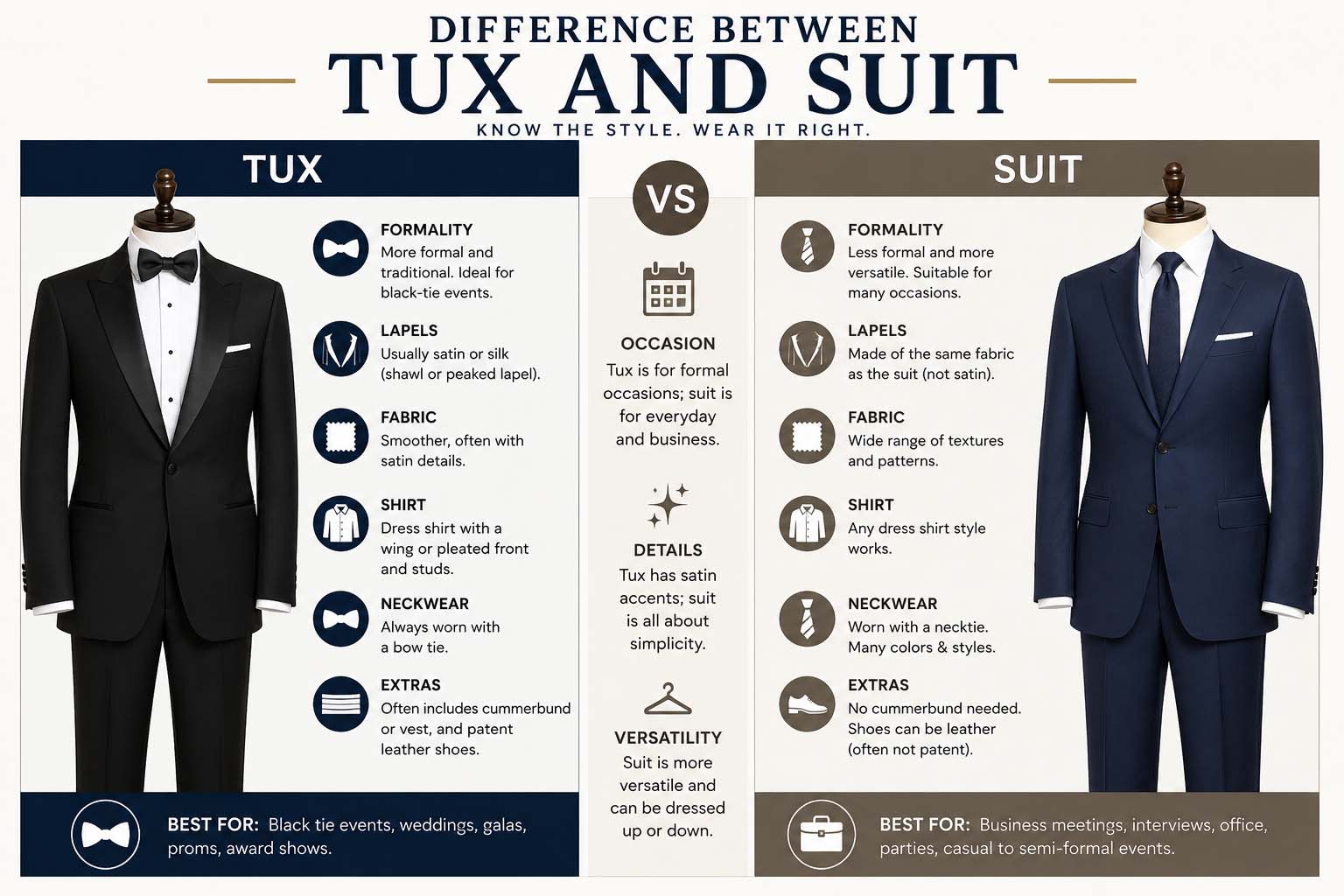
Difference Between Tux and Suit: Everything You Need to Know Before You Buy
Shopping for formalwear can be confusing, especially when you’re preparing for a wedding, gala, prom, or black-tie event. Understanding the difference between tux and suit helps you choose the right outfit for the occasion, your personal style, and your budget.
At first glance, tuxedos and suits look similar. However, several details set them apart, including satin finishes, accessories, shirt styles, and dress codes.
For example, a traditional tuxedo usually features satin lapels and a satin stripe along the trousers. In contrast, a standard suit uses matching fabric throughout the jacket and pants.
Whether you’re buying, renting, or comparing formalwear options, this guide explains the differences, advantages, prices, and styling considerations.
Difference Between Tux and Suit: Quick Comparison
Before exploring individual features, compare the main characteristics of these two formalwear options.
| Feature | Tuxedo | Suit |
|---|---|---|
| Lapels | Usually satin-faced | Typically match jacket fabric |
| Buttons | Often fabric-covered | Standard buttons |
| Trousers | Usually have a satin side stripe | Match jacket fabric |
| Shirt | Formal dress shirt | Standard dress shirt |
| Neckwear | Traditionally a bow tie | Necktie or bow tie |
| Shoes | Patent leather or polished formal shoes | Leather dress shoes |
| Best occasions | Black-tie events | Business, weddings, social occasions |
| Versatility | More limited | More versatile |
| Overall appearance | Traditional evening formalwear | Adaptable tailored clothing |
Although modern designs sometimes break these conventions, the table reflects traditional styling.
Therefore, checking the event’s dress code is more reliable than choosing an outfit based on appearance alone.
What Is a Tuxedo and How Is It Different From a Suit?
A tuxedo, also called a tux or dinner suit, is traditional formal eveningwear.
Unlike an ordinary suit, a tuxedo typically features satin detailing that creates a distinctive appearance.
For example, classic tuxedos commonly include:
- Satin-faced lapels
- Covered buttons
- Satin stripes along the trouser legs
- A formal dress shirt
- A black bow tie
- Polished formal shoes
As a result, tuxedos are traditionally associated with black-tie celebrations rather than everyday professional clothing.
Tuxedo Colors and Traditional Styles
Black remains the classic choice for formal evening events.
However, midnight blue is another traditional option.
Meanwhile, white and ivory dinner jackets are sometimes worn at warm-weather celebrations and certain formal occasions.
Nevertheless, a white dinner jacket does not automatically suit every black-tie event.
Therefore, consider the invitation, location, and level of formality before choosing an alternative color.
When Should You Wear a Tuxedo Instead of a Suit?
Tuxedos are most appropriate for events that specifically request black-tie attire.
For example, these occasions may include:
- Black-tie weddings
- Formal galas
- Award ceremonies
- Elegant evening receptions
- Charity dinners
- Traditional formal celebrations
However, a tuxedo is not necessary for every event described as formal.
Instead, follow the invitation whenever the host specifies a dress code.
What Is a Suit and How Does It Compare to a Tuxedo?
A suit consists of a coordinated jacket and trousers made from matching fabric.
Unlike traditional tuxedos, standard suits generally do not feature satin lapels or satin trouser stripes.
Instead, they offer a flexible appearance suitable for professional and social settings.
For example, you can wear a suit to:
- Business meetings
- Job interviews
- Weddings
- Graduation ceremonies
- Religious services
- Cocktail parties
- Formal dinners
Because suits work for many occasions, they are often a practical first formalwear purchase.
Common Suit Colors and Styles
Navy, charcoal, gray, and black are popular choices.
For example, a navy suit works well for business meetings and many weddings.
Meanwhile, charcoal offers a slightly more reserved appearance.
Lighter shades, including beige and light gray, can suit daytime events and warm-weather celebrations.
Therefore, the best color depends on your wardrobe, the season, and the occasion.
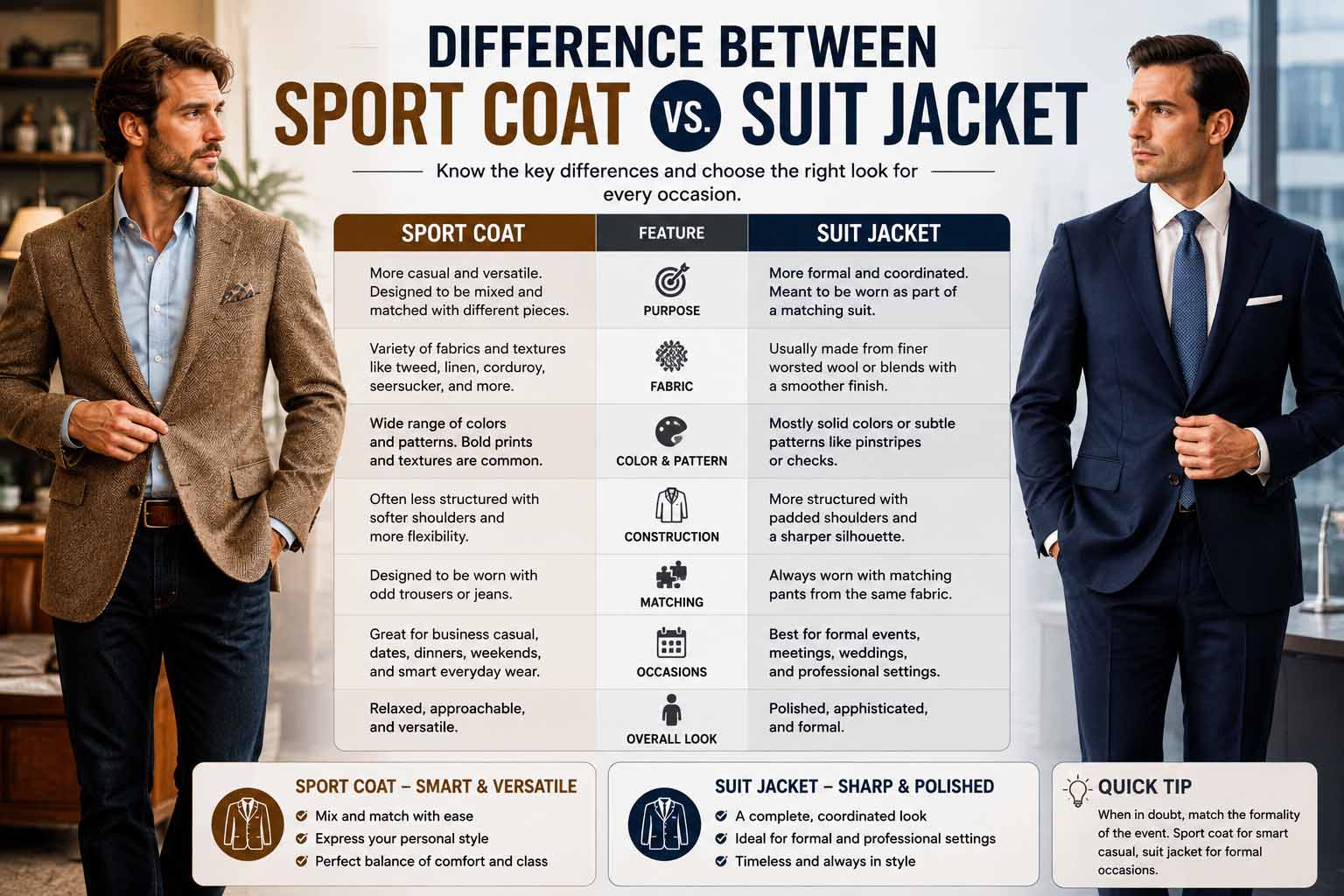
Suit Jacket vs. Blazer: Key Differences
A suit jacket belongs to a matching set of trousers and a jacket.
In contrast, a blazer is generally designed to pair with separate trousers.
If you’re comparing tailored jackets, this guide to the difference between blazer and suit jacke explains how these garments differ.
Therefore, distinguish between a complete suit and an individual jacket before purchasing.
Difference Between Tux and Suit: Lapels, Buttons, and Design
Several design features help you identify whether an outfit is a tuxedo or a standard suit.
Although the silhouettes may look similar, the finishing details reveal their traditional purposes.
Difference Between Tux and Suit Lapels
Satin detailing is one of the clearest distinctions.
Traditional tuxedos usually have satin-faced lapels, while ordinary suits use the same fabric across the jacket.
For example, a black tuxedo may feature satin peak lapels that contrast with the wool jacket.
In comparison, a black business suit generally has lapels made from the same material as the rest of the garment.
Therefore, inspecting the lapels is a useful first step when comparing formalwear.
Difference Between Tux and Suit Buttons
Tuxedo buttons often have a fabric covering.
In addition, traditional tuxedo trousers commonly feature a satin stripe along the outer seam.
Standard suit trousers usually match the jacket fabric without decorative satin stripes.
However, modern designers sometimes experiment with these details.
As a result, one feature alone may not identify every contemporary garment.
Difference Between Tux and Suit Shirts
A tuxedo traditionally pairs with a formal dress shirt and bow tie.
For example, a classic black-tie outfit may include:
- White formal shirt
- Black bow tie
- Black tuxedo jacket
- Matching trousers
- Formal black shoes
A suit offers greater flexibility.
You can wear it with a conventional dress shirt, necktie, bow tie, or open collar when the occasion allows.
Therefore, suits are easier to adapt to different dress codes.
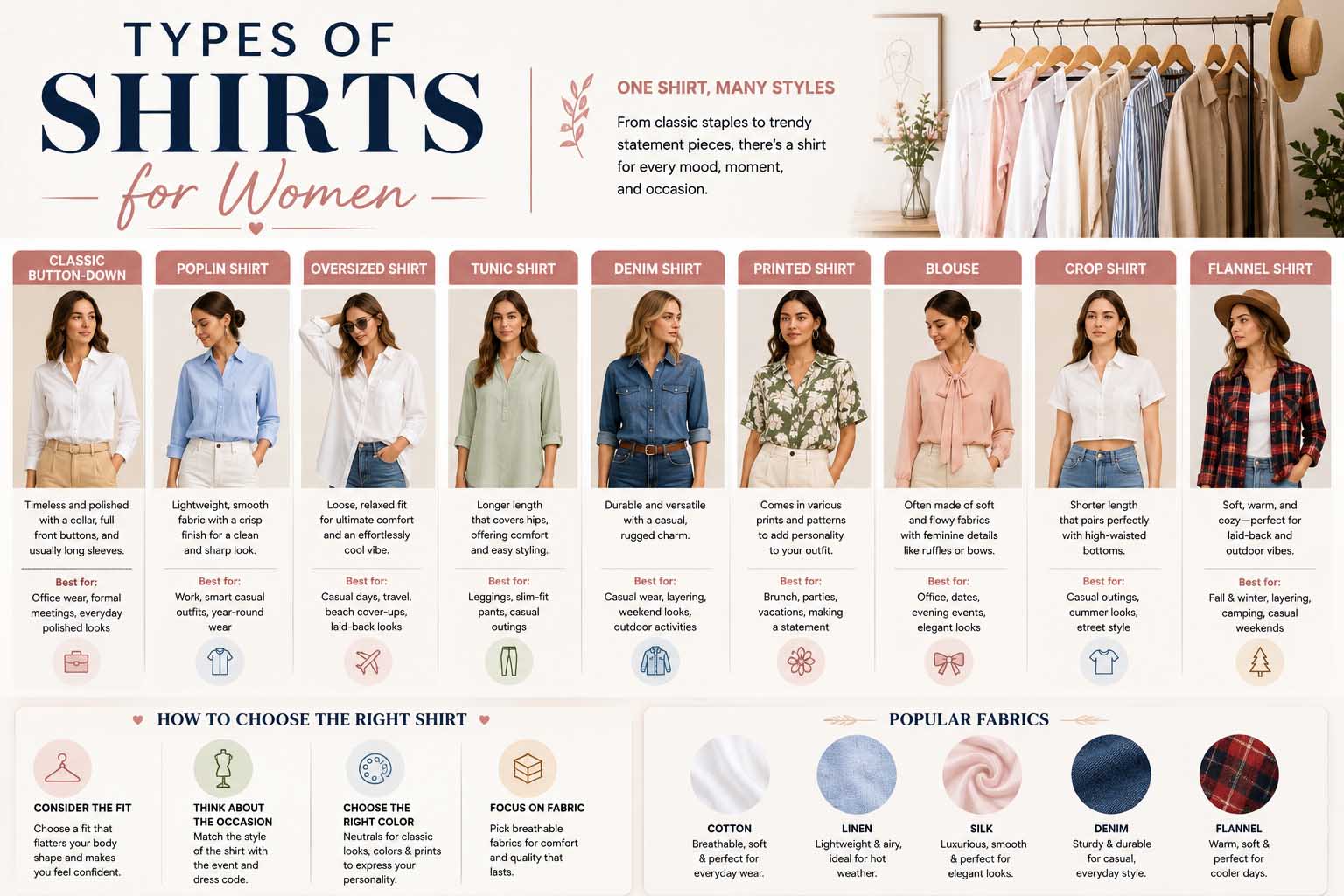
When comparing outfit combinations, understanding the different types of shirts can also help you choose appropriate collars, fabrics, and styles.
Difference Between Tux and Suit Shoes
Traditional black-tie attire favors patent leather shoes or highly polished black formal shoes.
Meanwhile, suits work with several footwear styles.
For example, suitable options may include:
- Oxford shoes
- Derby shoes
- Dress loafers
- Monk strap shoes
- Selected leather Chelsea boots
However, the event’s formality should guide your footwear choice.
For instance, polished black Oxfords generally suit a formal wedding better than casual loafers.
Difference Between Tux and Suit Accessories
Tuxedos often use traditional formal accessories.
These may include:
- Black bow tie
- Formal waistcoat or cummerbund
- Shirt studs
- Cufflinks
- White pocket square
- Formal suspenders
However, not every tuxedo requires every accessory.
For example, some modern formal shirts use concealed buttons rather than visible studs.
Suit accessories are more flexible.
You can choose different ties, pocket squares, belts, and watches according to the occasion.
As a result, a suit provides more opportunities for personal styling.
Difference Between Tux and Suit for Weddings
Choosing between a tuxedo and a suit for a wedding depends on the invitation, venue, time of day, and overall formality.
For example, a formal evening wedding may call for a tuxedo.
On the other hand, a daytime garden wedding may suit a tailored navy or gray suit.
Tuxedo vs. Suit for a Formal Wedding
Consider a tuxedo when:
- The invitation specifies black tie.
- The celebration follows traditional evening formalwear conventions.
- The couple requests tuxedos for the wedding party.
- The venue and event style support a highly formal appearance.
However, don’t assume that every evening wedding requires black tie.
Instead, follow the couple’s stated expectations.
Suit vs. Tuxedo for a Semi-Formal Wedding
A suit is usually suitable when:
- The invitation requests cocktail attire.
- The wedding has a semi-formal dress code.
- The ceremony takes place during the day.
- The venue has a relaxed or outdoor setting.
- You want an outfit for future occasions.
For example, a lightweight navy suit can work well for a spring wedding.
Meanwhile, a charcoal suit may suit an autumn celebration.
Difference Between Tux and Suit for Wedding Guests
Wedding guests should follow the dress code rather than trying to match the wedding party.
For example, a dark suit may be acceptable at a black-tie-optional wedding.
However, strict black-tie invitations traditionally call for tuxedos.
Likewise, guests choosing wedding guest dresses should consider the venue, season, and requested level of formality.
Difference Between Tux and Suit Formality
A tuxedo is traditionally more formal than a standard suit.
However, formality depends on the specific dress code.
For example, a beautifully tailored dark suit may look elegant at a cocktail party, but it does not replace a tuxedo at a strict black-tie event.
The Emily Post Institute’s black-tie dress code guidance provides a useful reference for traditional formalwear expectations.
Tuxedo vs. Suit Dress Code Comparison
| Dress Code | Recommended Outfit |
|---|---|
| Black tie | Tuxedo |
| Black tie optional | Tuxedo or suitable dark formal suit |
| Cocktail attire | Suit |
| Business formal | Business suit |
| Semi-formal wedding | Suit appropriate to the event |
| Formal gala | Follow invitation; tuxedo for black tie |
| Prom | Suit or tuxedo, depending on event rules |
Therefore, read the invitation carefully before shopping.
In addition, remember that different occasions follow different clothing traditions.
For example, understanding what to wear to a funeral involves different considerations from choosing black-tie eveningwear.
Difference Between Tux and Suit: Pros and Cons
Both options have advantages and disadvantages.
However, the best choice depends on how frequently you attend formal events and how much flexibility you need.
Tuxedo Advantages Compared With a Suit
A tuxedo offers several benefits:
- Traditional black-tie appearance
- Elegant satin detailing
- Timeless formal styling
- Coordinated eveningwear accessories
- Suitable for highly formal celebrations
As a result, a tuxedo can be a worthwhile purchase for someone who regularly attends black-tie events.
Disadvantages of Choosing a Tuxedo
However, tuxedos also have limitations:
- Fewer appropriate occasions
- Potentially higher total costs
- Additional formal accessories
- Less versatility than ordinary suits
- Possible rental or alteration expenses
Therefore, occasional formalwear shoppers may prefer renting.
Suit Advantages Compared With a Tuxedo
A suit offers practical benefits:
- Suitable for many occasions
- Easy to style with different accessories
- Wide range of colors and fabrics
- Useful for business and social events
- Often a better first formalwear investment
For example, a navy suit can work for job interviews, weddings, and professional meetings.
Disadvantages of Choosing a Suit
Despite its versatility, a suit has limitations.
For instance:
- It does not satisfy traditional strict black-tie requirements.
- It lacks the distinctive satin details of a tuxedo.
- Certain casual suit styles may look unsuitable at highly formal events.
Therefore, versatility should not override a clearly stated dress code.
Difference Between Tux and Suit Fabrics
Both garments come in several materials.
However, fabric choice affects comfort, appearance, maintenance, and price.
Wool Tuxedos vs. Wool Suits
Wool is a common material for suits and tuxedos.
For example, it offers:
- Breathability
- Durability
- A refined appearance
- Options for different seasons
In addition, wool comes in different weights and weaves.
Therefore, not every wool suit feels equally warm or heavy.
Wool Blends for Formalwear
Wool blends combine wool with other fibers.
Depending on their composition, they may offer lower prices, improved wrinkle resistance, or different textures.
However, quality varies considerably between products.
Therefore, check the fabric label rather than assuming every blend performs the same way.
Velvet Tuxedos and Dinner Jackets
Velvet is particularly popular for statement dinner jackets.
For example, it may suit:
- Holiday celebrations
- Evening receptions
- Festive formal gatherings
However, a velvet dinner jacket may not be appropriate for every strict black-tie occasion.
Linen Suits for Warm Weather
Linen is common in warm-weather suits.
Because it allows airflow, it can be comfortable for summer weddings and outdoor celebrations.
However, linen wrinkles easily and generally looks less formal than traditional black-tie fabrics.
Premium Fabric Considerations
Some tailored garments incorporate luxury fibers or specialty blends.
For example, shoppers exploring premium knitwear may also want to learn what is a cashmere sweater before comparing premium clothing materials.
Nevertheless, a high price does not automatically guarantee better construction or fit.
Instead, evaluate the garment’s fabric, stitching, comfort, and tailoring.
Difference Between Tux and Suit: Buying vs. Renting
One of the biggest shopping decisions is whether to purchase formalwear or rent it.
Fortunately, you can make this decision by considering your budget and expected frequency of use.
Buying a Tuxedo vs. Buying a Suit
Buying may be worthwhile if:
- You attend formal events regularly.
- You want a consistent personal fit.
- You expect to wear the garment for several years.
- You prefer choosing your own fabric and construction.
- You have time to arrange alterations.
For example, someone who wears suits weekly may benefit from owning several coordinated outfits.
Renting a Tuxedo vs. Renting a Suit
Renting may be practical if:
- You need a tuxedo for one event.
- Your formalwear requirements change frequently.
- You want to avoid a large upfront purchase.
- You need a particular color or style for a wedding party.
However, rental costs can increase when you include accessories, alterations, or additional fees.
Therefore, compare the complete rental price with the cost of buying.
Should You Buy a Suit or Rent a Tuxedo?
For many shoppers, buying a versatile suit and renting an occasional tuxedo makes practical sense.
However, someone who attends several black-tie events each year may benefit from purchasing a tuxedo.
As a result, the right decision depends on your personal circumstances rather than a universal rule.
Difference Between Tux and Suit Prices
Prices vary according to brand, material, construction, and retailer.
For example, the following figures are broad illustrative shopping ranges in US dollars, not verified current market quotations.
| Item | Entry Level | Mid-Range | Premium |
|---|---|---|---|
| Suit | $200–$500 | $500–$1,000 | $1,000+ |
| Tuxedo | $300–$700 | $700–$1,500 | $1,500+ |
However, actual prices may fall outside these ranges.
In addition, you should budget for:
- Tailoring
- Shirts
- Shoes
- Ties or bow ties
- Formal accessories
- Cleaning and maintenance
Therefore, compare total ownership costs rather than jacket prices alone.
Difference Between Tux and Suit Fit
Proper fit can make a noticeable difference in how formalwear looks and feels.
Even expensive clothing may appear awkward when the proportions are incorrect.
Tuxedo vs. Suit Jacket Shoulders
The shoulder seams should align naturally with your shoulders.
In addition, the fabric should lie smoothly without excessive pulling or overhang.
However, shoulder alterations can be difficult and costly.
Therefore, prioritize shoulder fit when choosing a jacket.
Tuxedo vs. Suit Chest and Waist Fit
The jacket should button comfortably without creating strong horizontal pulling lines.
Meanwhile, the waist should provide shape without restricting movement.
For example, you should be able to sit and stand comfortably while wearing the jacket.
Tuxedo vs. Suit Trouser Fit
The trousers should fit securely around your waist.
For example, traditional tuxedo trousers often use side adjusters or suspenders rather than a belt.
Suit trousers may use belt loops, side adjusters, or suspenders.
In addition, the hem should complement your shoe style and preferred trouser break.
Sleeve Length and Alterations
Jacket sleeves should generally allow a small amount of shirt cuff to show.
However, the exact amount depends on personal preference and tailoring style.
Therefore, try the complete outfit before approving alterations.
Common Mistakes When Choosing Between a Tux and Suit
Shopping mistakes can lead to unnecessary spending or an outfit that does not match the occasion.
Fortunately, you can avoid many problems with a little preparation.
Ignoring the Formal Dress Code
A suit may look polished, but it does not automatically satisfy strict black-tie expectations.
Likewise, a tuxedo may appear unnecessarily formal at a casual daytime gathering.
Therefore, confirm the event requirements before buying or renting.
Choosing Style Over Fit
An expensive jacket does not guarantee a flattering appearance.
Instead, focus on proper proportions, comfort, and suitable alterations.
For example, a well-fitted affordable suit can look more polished than an oversized luxury garment.
Forgetting Formalwear Accessories
Accessories can significantly affect the finished outfit.
Therefore, check whether you need:
- Dress shoes
- Appropriate socks
- Dress shirt
- Necktie or bow tie
- Pocket square
- Belt or suspenders
- Cufflinks
- Formal waist covering
However, don’t assume every accessory belongs with every outfit.
For example, traditional tuxedo trousers generally do not require a belt.
Buying for Only One Occasion
A highly distinctive color or design may be difficult to wear again.
Therefore, consider future events before purchasing.
For instance, a navy or charcoal suit often provides more flexibility than a brightly colored statement suit.
Overlooking Alteration Costs
Tailoring may add to the purchase price.
However, it can improve sleeve length, trouser fit, and overall proportions.
Therefore, include alterations in your budget from the beginning.
Tuxedo and Suit Shopping Checklist
Before making a purchase, review these questions:
- Does the outfit match the dress code?
- Will I wear it again?
- Is buying or renting more practical?
- Do the shoulders fit correctly?
- Are alterations necessary?
- Have I included shoes in my budget?
- Do I need a tie or bow tie?
- Does the fabric suit the season?
- Are the accessories appropriate?
- Can I move comfortably while wearing it?
As a result, you’ll be better prepared to compare different formalwear options.
Difference Between Tux and Suit: Which Should You Choose?
The right choice depends on the occasion, your budget, and how often you expect to wear the outfit.
For example, choose a tuxedo when an invitation specifies black tie or when the event follows traditional formal eveningwear conventions.
On the other hand, choose a suit for business events, cocktail parties, most semi-formal weddings, and occasions where versatility matters.
Choose a Tuxedo for Traditional Black Tie
A tuxedo is the appropriate choice for a strict black-tie event.
In addition, it provides a coordinated formal appearance that suits traditional evening celebrations.
However, consider renting if you rarely attend such events.
Choose a Suit for Everyday Versatility
A suit is usually the more practical option for everyday professional and social occasions.
For example, a well-tailored navy suit can serve you at weddings, meetings, and formal dinners.
Therefore, it may provide better long-term value for someone purchasing their first tailored outfit.
Frequently Asked Questions About the Difference Between Tux and Suit
What Is the Difference Between Tux and Suit?
The main difference is traditional styling and formality.
A tuxedo usually features satin detailing and suits black-tie events.
In contrast, a standard suit uses matching fabric throughout and works for a wider range of occasions.
Is a Tuxedo More Formal Than a Suit?
Yes. A tuxedo is traditionally more formal than an ordinary suit.
Therefore, it is the expected choice for strict black-tie dress codes.
Can You Wear a Necktie With a Tuxedo?
A black bow tie is the traditional choice for black-tie attire.
However, some contemporary styling uses alternative neckwear.
For strict black-tie events, follow the conventional bow-tie approach unless the host specifies otherwise.
Can You Wear a Suit to a Black-Tie Wedding?
A standard suit is not the traditional choice for a strict black-tie wedding.
However, a dark suit may be acceptable when the invitation says black tie optional.
Therefore, check the exact wording before deciding.
Is Buying a Tuxedo Worth It?
Buying may be worthwhile if you regularly attend black-tie events.
On the other hand, renting can be more practical for occasional use.
Which Suit Color Is Most Versatile?
Navy and charcoal are versatile options.
For example, both work for many business and social occasions.
However, the best color also depends on your wardrobe, preferences, and event requirements.
Can You Wear Black Shoes With Both?
Yes. Black leather dress shoes can complement many suits and tuxedos.
However, patent leather or highly polished formal shoes are especially appropriate for traditional black-tie attire.
Is a Black Suit the Same as a Tuxedo?
No. A black suit and a black tuxedo may share a similar color, but they have different traditional details.
For example, a tuxedo usually includes satin lapels and a satin trouser stripe.
Therefore, color alone does not determine whether a garment is a tuxedo.
Should You Buy a Tuxedo or Suit for Prom?
Either may work, depending on the event’s dress code and your personal style.
For example, a tuxedo provides a traditional formal appearance, while a suit offers more opportunities for future wear.
Therefore, check school requirements before purchasing.
Final Thoughts: Difference Between Tux and Suit
Understanding the difference between tux and suit makes formalwear shopping easier.
A tuxedo is the traditional choice for black-tie occasions. Its satin details, formal accessories, and eveningwear styling create a distinctive appearance.
In contrast, a suit offers greater versatility for professional settings, weddings, celebrations, and other social events.
If you’re purchasing your first tailored outfit, a well-fitted navy or charcoal suit is often a practical starting point. However, if you regularly attend black-tie events, owning a tuxedo may also make sense.
Above all, choose clothing that matches the dress code, fits comfortably, and suits your budget. With the right fabric, tailoring, and accessories, either option can create a polished appearance.