
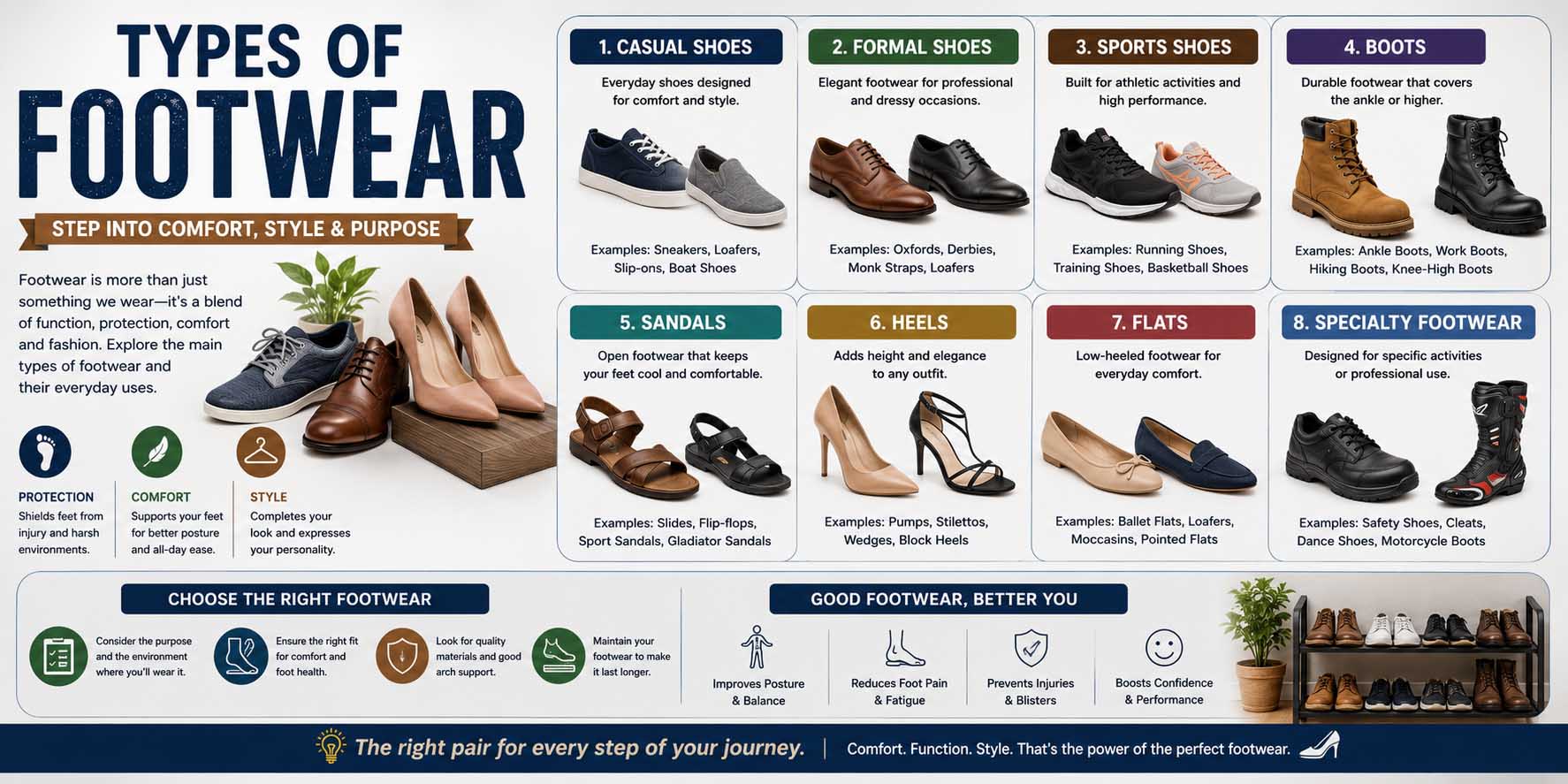
Types of Footwear: A Complete Guide to Choosing the Right Shoes
Choosing between the many types of footwear can feel overwhelming. From everyday sneakers and formal dress shoes to hiking boots and sandals, every style serves a different purpose. Buying the right pair isn’t just about fashion—it also affects comfort, durability, and how well your shoes perform throughout the day.
Whether you’re updating your wardrobe, shopping for work, or preparing for travel, understanding the different types of footwear makes it much easier to find shoes that fit your lifestyle.
Types of Footwear at a Glance
Here’s a quick overview of some of the most common footwear categories.
| Footwear Type | Best For | Comfort | Style Level |
|---|---|---|---|
| Sneakers | Everyday wear, walking | Excellent | Casual |
| Dress Shoes | Business, formal events | Moderate | Formal |
| Boots | Outdoor work, cold weather | High | Casual to rugged |
| Sandals | Warm weather | High | Casual |
| Loafers | Office, smart casual | Good | Smart casual |
| Heels | Formal occasions | Varies | Dressy |
| Slippers | Indoor comfort | Excellent | Home |
| Hiking Shoes | Trails and outdoor adventures | Excellent | Functional |
| Running Shoes | Exercise | Excellent | Athletic |
Each type has strengths depending on where and how you plan to wear it.
Understanding the Most Popular Types of Footwear
The popular types of footwear available today cover nearly every activity, season, and dress code.
Sneakers
Sneakers remain one of the most versatile footwear choices.
They work well for:
- Walking
- Casual outfits
- Travel
- Everyday errands
- Light exercise
Modern sneakers range from minimalist leather designs to highly cushioned athletic models.
Choose a pair that matches your intended use rather than buying based only on appearance.
Dress Shoes
Dress shoes are designed for professional settings and formal occasions.
Common styles include:
- Oxfords
- Derbies
- Monk straps
- Brogues
Leather remains the most popular material because it offers durability and develops character over time.
Boots
Boots provide additional ankle support and protection.
Popular options include:
- Chelsea boots
- Hiking boots
- Work boots
- Combat boots
- Winter boots
If you need footwear for physically demanding jobs, learning more about botas de trabajo can help you compare styles designed specifically for durability and workplace safety.
Sandals
Sandals are ideal for warm climates and vacations.
They offer:
- Excellent breathability
- Lightweight comfort
- Easy slip-on convenience
Available styles include:
- Sport sandals
- Slides
- Flip-flops
- Leather sandals
- Walking sandals
If you’re shopping specifically for open-toe footwear, our guide to types of sandals explains the differences between the most common designs.
Loafers
Loafers bridge the gap between casual and formal footwear.
They’re excellent for:
- Office wear
- Business casual outfits
- Travel
- Smart casual events
Many people appreciate loafers because they don’t require laces while still looking polished.
Athletic Shoes
Athletic footwear is designed for specific sports.
Examples include:
- Running shoes
- Basketball shoes
- Tennis shoes
- Cross-training shoes
- Soccer cleats
Choosing sport-specific footwear often improves comfort and supports the movements required for that activity.
Slippers
Slippers prioritize comfort indoors.
Options include:
- Memory foam slippers
- Open-back slippers
- Moccasin slippers
- Heated slippers
A good pair helps keep feet warm while providing light cushioning around the house.
Types of Footwear for Women
The variety of types of footwear for women continues to expand, with styles ranging from practical everyday shoes to elegant formal options.
Popular choices include:
- Ballet flats
- Sneakers
- Sandals
- Loafers
- Ankle boots
- Knee-high boots
- Pumps
- Wedges
- Espadrilles
- Mules
Many shoppers build a versatile collection by combining casual, athletic, and formal shoes that work across different occasions.
Types of Women Footwear for Different Occasions
Rather than buying multiple similar pairs, consider selecting footwear based on where you’ll actually wear it.
| Occasion | Recommended Footwear |
|---|---|
| Office | Loafers, dress shoes, low heels |
| Weddings | Pumps, elegant sandals |
| Travel | Sneakers, walking shoes |
| Beach | Flip-flops, sandals |
| Hiking | Hiking boots |
| Winter | Insulated boots |
| Gym | Training shoes |
| Casual weekends | Sneakers, slip-ons |
Buying with purpose helps prevent unnecessary purchases while ensuring every pair gets regular use.
Choosing Footwear by Material
Material affects durability, maintenance, comfort, and price.
Leather
Leather offers:
- Long lifespan
- Classic appearance
- Excellent durability
- Natural breathability
It usually requires occasional conditioning to prevent drying.
Synthetic Materials
Synthetic shoes often cost less and resist moisture well.
Advantages include:
- Lightweight construction
- Lower price
- Easier cleaning
- Wide variety of colors
Some synthetic materials may not breathe as well as leather.
Canvas
Canvas shoes remain popular during warmer months.
They’re:
- Lightweight
- Comfortable
- Affordable
- Easy to pair with casual outfits
Many canvas shoes are machine washable, although care instructions vary by manufacturer.
Mesh
Mesh materials dominate modern athletic footwear.
Benefits include:
- Excellent airflow
- Reduced weight
- Improved comfort during exercise
They’re especially useful in hot climates.
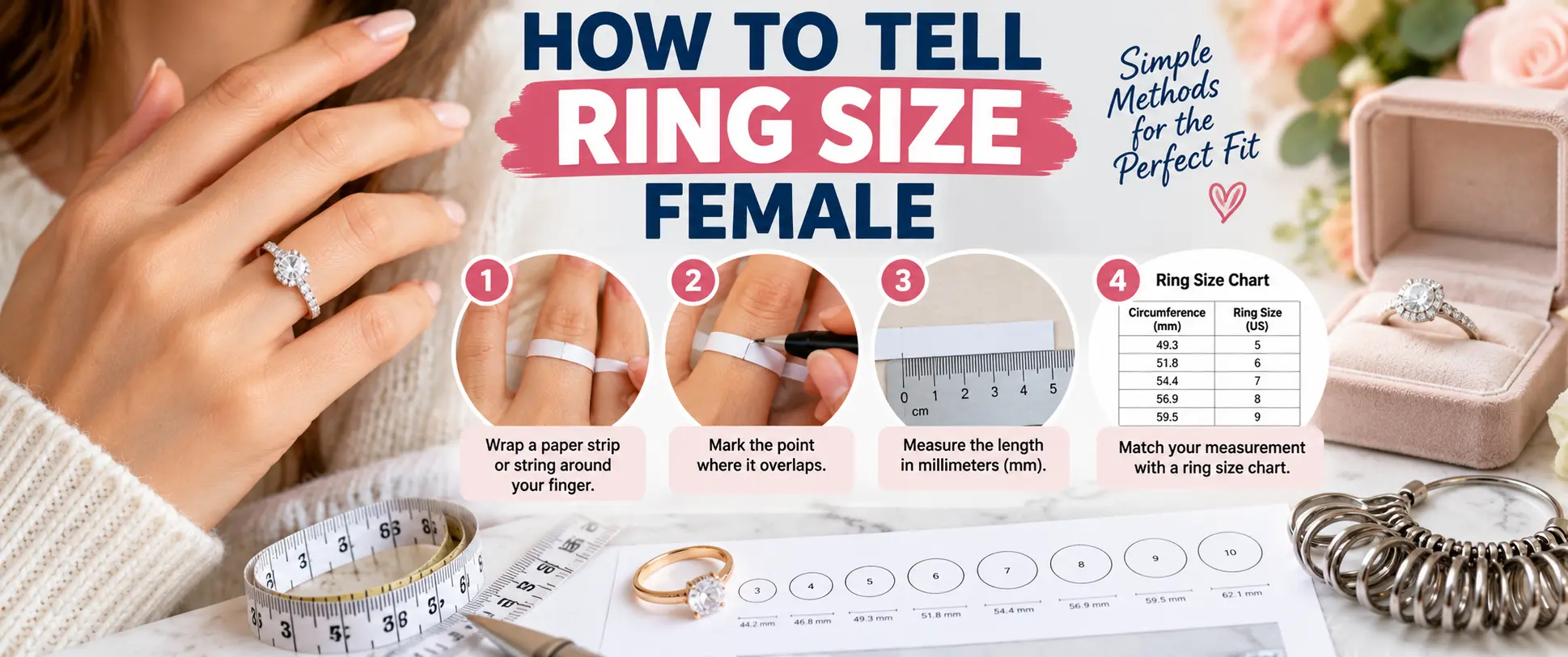
How to Choose the Right Size
Finding the correct size matters just as much as choosing the right style.
Keep these tips in mind:
- Measure both feet.
- Shop later in the day when feet are slightly larger.
- Wear the socks you’ll normally use.
- Leave a small amount of space in front of your toes.
- Walk around before making a final decision.
Sizing varies between brands, so always check the manufacturer’s size guide.
What to Look for Before Buying
A few simple checks can help you choose footwear that performs well over time.
Consider:
- Arch support
- Cushioning
- Sole flexibility
- Grip
- Breathability
- Weight
- Stitching quality
- Replaceable insoles
- Water resistance if needed
The best shoe isn’t always the most expensive—it’s the one that fits your needs.
Understanding Price Ranges
Footwear prices vary depending on brand, materials, craftsmanship, and retailer.
Here’s a general guide.
| Category | Typical Price Range |
|---|---|
| Budget | $25–$60 |
| Mid-range | $60–$150 |
| Premium | $150–$300 |
| Luxury | $300+ |
Sales, seasonal promotions, and outlet stores may offer significant savings.
Common Buying Mistakes
Many shoppers make the same mistakes when purchasing shoes.
Avoid these pitfalls:
- Buying based only on appearance
- Ignoring comfort during fitting
- Choosing the wrong size
- Wearing specialized shoes for everyday use
- Forgetting to consider weather conditions
- Replacing quality with the cheapest option
A little research before buying usually leads to better long-term value.
Caring for Your Footwear
Good maintenance extends the life of nearly every type of shoe.
Simple habits include:
- Clean shoes regularly.
- Allow wet shoes to dry naturally.
- Rotate between multiple pairs.
- Store shoes in a cool, dry place.
- Use shoe trees for leather footwear.
- Replace worn insoles when needed.
Proper care often helps footwear maintain both its appearance and comfort.
Building a Practical Shoe Collection
You don’t need dozens of shoes to cover every occasion.
A well-rounded collection might include:
- Everyday sneakers
- Comfortable walking shoes
- Dress shoes
- Casual sandals
- Weather-resistant boots
- Athletic shoes
Many shoppers also add a pair of stylish heels for formal events. If you’re comparing options, our guide to types of heels explains which designs work best for different occasions and comfort preferences.
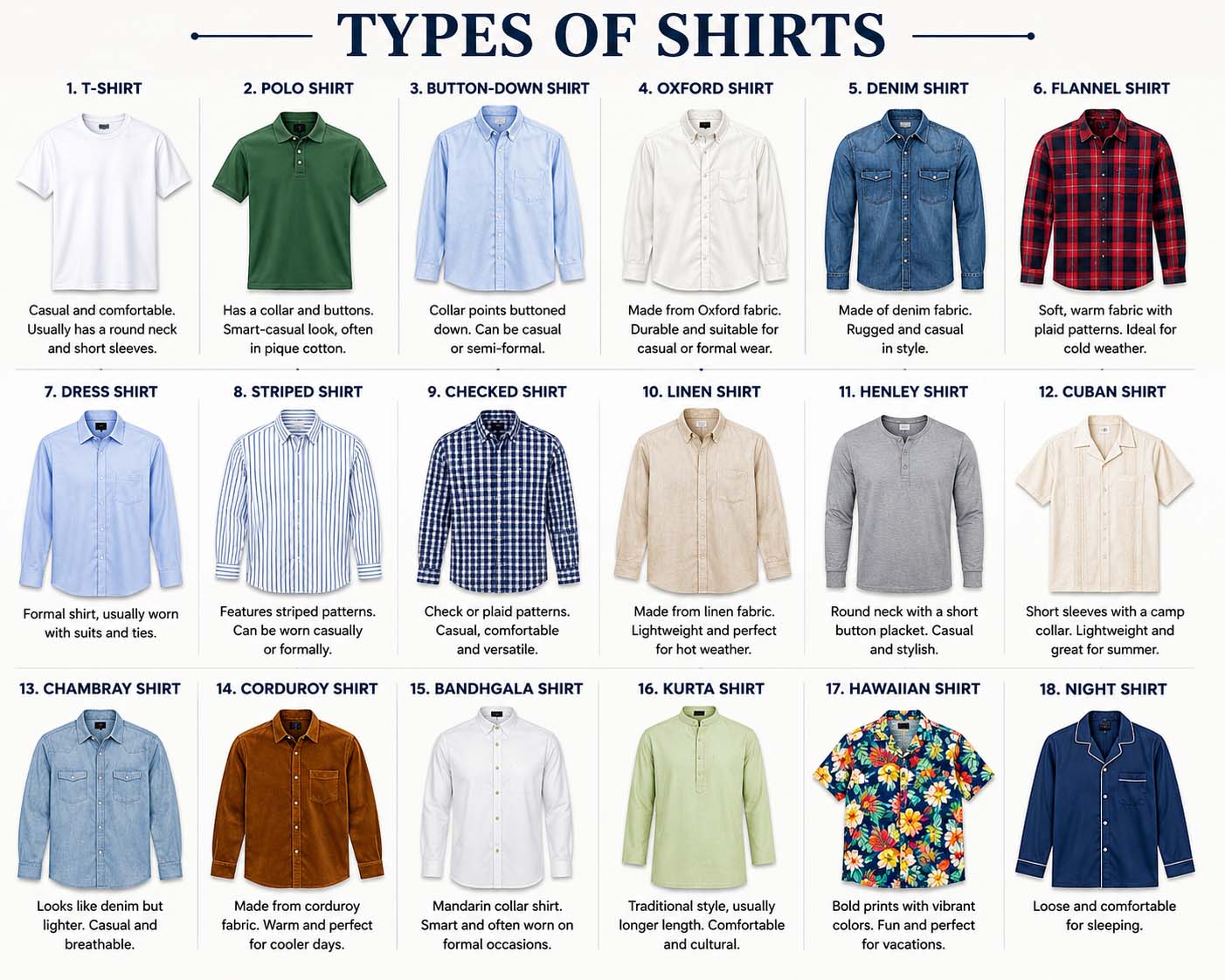
Your clothing also influences footwear choices. For example, understanding different types of shirts can help you create balanced outfits for casual, business, and formal settings.
Frequently Asked Questions
What are the most popular types of footwear?
Sneakers, boots, sandals, loafers, dress shoes, athletic shoes, slippers, and heels remain among the most popular choices because they suit a wide variety of lifestyles and occasions.
How many pairs of shoes should I own?
There’s no universal number. Many people find that six to eight well-chosen pairs cover everyday wear, work, exercise, travel, and special occasions.
Are expensive shoes always better?
Not necessarily. Higher-priced shoes may use premium materials and construction methods, but comfort, fit, and intended use matter just as much as cost.
Which footwear is best for walking?
Walking shoes and supportive sneakers are generally the best options because they provide cushioning, stability, and flexibility for long periods on your feet.
How often should shoes be replaced?
Replacement depends on how often they’re worn and the type of footwear. Athletic shoes used regularly may need replacing after several hundred miles of use, while well-maintained leather shoes can last for many years.
Choosing Footwear That Fits Your Lifestyle
The best types of footwear aren’t determined by trends alone—they’re the ones that match your daily routine, comfort preferences, and budget. A thoughtfully chosen collection can handle everything from workdays and vacations to formal events and outdoor adventures without filling your closet with unnecessary pairs.
Before making your next purchase, think about where you’ll wear the shoes most often, the conditions they’ll face, and how they fit your wardrobe. Prioritizing comfort, quality, and purpose will help you invest in footwear you’ll enjoy wearing for years to come.