
Benefits of Polarized Sunglasses: A Complete Shopping Guide
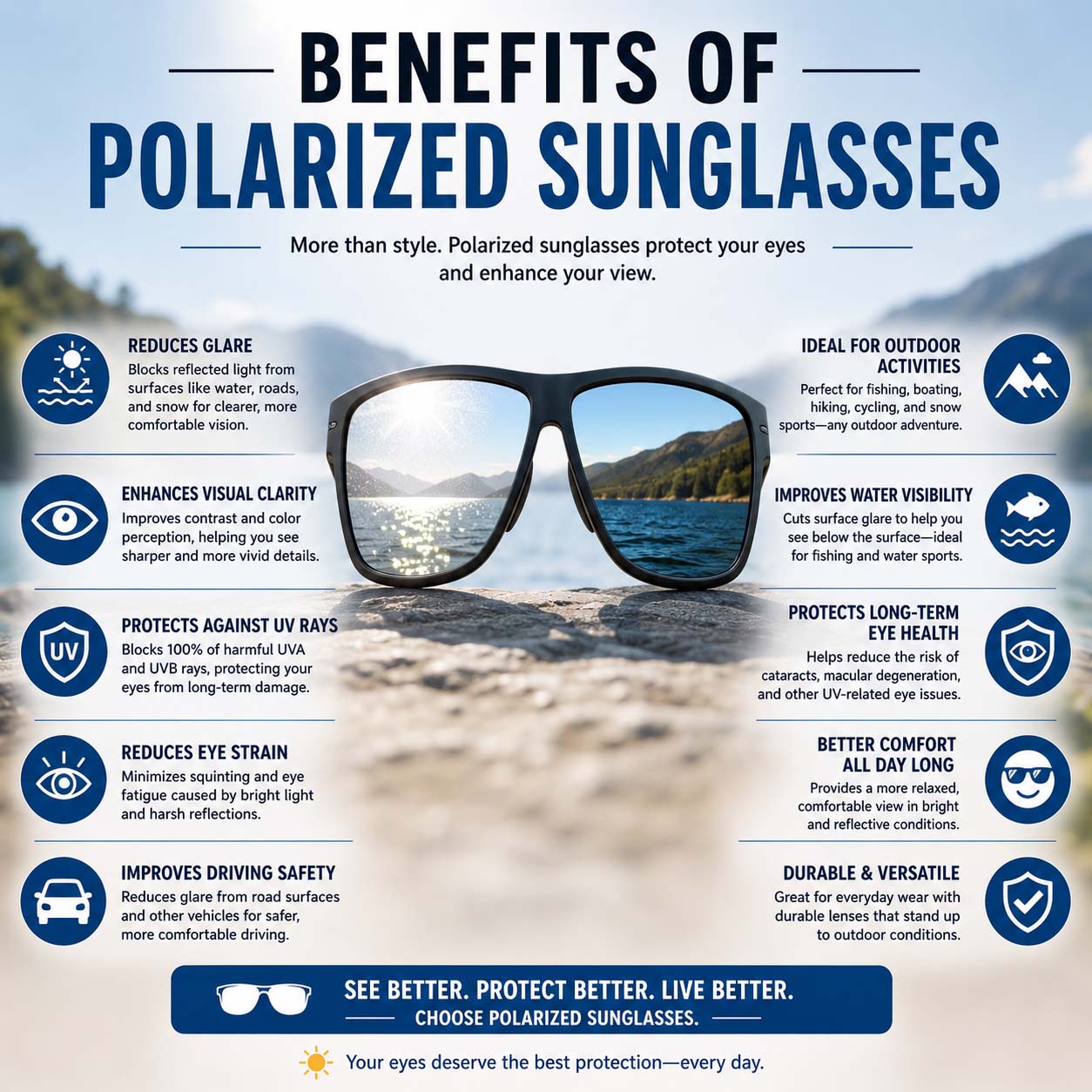
If you’ve ever struggled with harsh glare while driving, relaxing at the beach, or spending time on the water, you’ve probably wondered about the benefits of polarized sunglasses. Unlike standard tinted lenses, polarized sunglasses are designed to reduce reflected glare, making your vision clearer and more comfortable in bright conditions.
Whether you’re buying your first pair or upgrading your current sunglasses, understanding how polarized lenses work can help you choose eyewear that matches your lifestyle and budget.
Benefits of Polarized Sunglasses for Everyday Use
One of the biggest advantages of polarized lenses is their ability to filter intense reflected light without making everything appear darker.
Common situations where they make a noticeable difference include:
- Driving on sunny roads
- Walking near water
- Spending time at the beach
- Outdoor sports
- Hiking
- Boating
- Everyday commuting
Because glare causes eye strain, reducing it often makes outdoor activities feel more comfortable.
Better Visual Clarity
Polarized lenses improve contrast by reducing bright reflections from flat surfaces such as roads, lakes, snow, and glass.
Instead of constantly squinting, you’ll often notice sharper details and a more natural view.
Reduced Eye Fatigue
Bright sunlight can quickly become uncomfortable.
By minimizing reflected glare, polarized lenses help many people enjoy longer periods outdoors with less eye fatigue.
This doesn’t replace proper UV protection, so always choose sunglasses that block 100% of UVA and UVB rays as well.
Improved Comfort While Driving
Sunlight reflecting from wet roads, car hoods, and windshields creates distracting glare.
Polarized sunglasses reduce much of that reflected light, making long drives more comfortable for many people.
How Polarized Lenses Work
Polarized lenses contain a special filter that blocks horizontally reflected light.
Normally, sunlight scatters in every direction. Once it reflects off flat surfaces like water or pavement, much of that light becomes horizontally polarized, creating intense glare.
The filter inside polarized lenses blocks much of this reflected light while allowing useful light to pass through.
The result is a clearer and more comfortable view without significantly changing natural colors.
Polarized vs. Non-Polarized Sunglasses
Many shoppers compare the two before deciding which pair to buy.
| Feature | Polarized Sunglasses | Non-Polarized Sunglasses |
|---|---|---|
| Reduces glare | ✔ Yes | ✘ No |
| UV protection | Depends on the lens | Depends on the lens |
| Outdoor comfort | Excellent | Good |
| Water reflections | Significantly reduced | Mostly unchanged |
| Driving visibility | Often improved | Standard |
When people ask what are the benefits of polarized sunglasses, glare reduction is usually the biggest reason they choose them.
Benefits of Non Polarized Sunglasses
Although polarized lenses are popular, they aren’t automatically the best option for everyone.
Some people prefer non-polarized sunglasses because:
- Digital screens may be easier to view.
- Certain cockpit instruments remain clearer.
- They are often available at lower prices.
- Some indoor-to-outdoor transitions feel more natural.
Understanding the benefits of non polarized sunglasses helps shoppers compare both options based on how they actually use their eyewear.
Who Should Buy Polarized Sunglasses?
Polarized sunglasses work well for people who spend a lot of time outdoors.
They are especially popular among:
- Drivers
- Cyclists
- Hikers
- Beachgoers
- Boaters
- Golfers
- Travelers
Even casual users often appreciate the improved comfort during sunny afternoons.
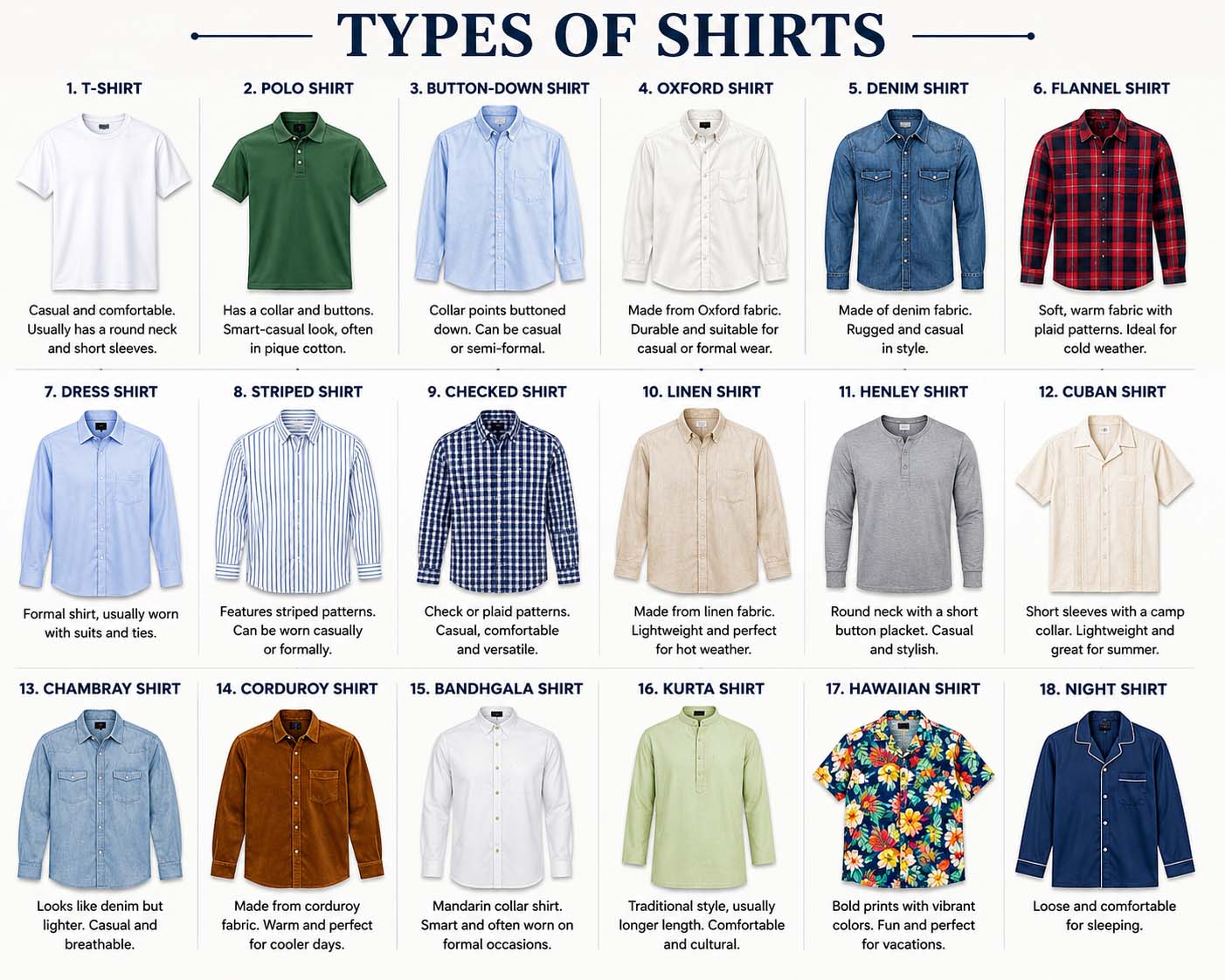
When building a versatile wardrobe for outdoor activities, choosing sunglasses that complement different types of shirts can help create practical outfits without sacrificing comfort or style.
Benefits of Polarized Sunglasses for Fishing
One of the most recognized advantages is the benefits of polarized sunglasses for fishing.
Because polarized lenses reduce reflections from the water’s surface, anglers can often see below the glare more easily than with standard sunglasses.
This improved visibility may help when:
- Watching fish movement
- Identifying underwater structures
- Following fishing lines
- Spotting rocks or vegetation
- Navigating shallow water
Many experienced anglers consider polarized lenses an essential part of their fishing gear.
Choosing the Right Lens Color
Lens color changes how your surroundings appear.
Popular choices include:
Gray
- Maintains natural colors
- Excellent for everyday use
- Comfortable in bright sunlight
Brown
- Enhances contrast
- Popular for driving
- Good for changing light conditions
Green
- Offers balanced color perception
- Comfortable for long outdoor activities
- Works well in mixed lighting
Yellow or Amber
- Often preferred in lower-light environments
- Improves perceived contrast
- Less suitable for very bright midday sun
The best color depends on your typical activities rather than one universal “best” choice.
Frame Materials Matter Too
While lenses receive most of the attention, frame construction also affects comfort.
Common materials include:
- Acetate
- Nylon
- TR90
- Metal
- Titanium
Lightweight frames usually provide greater comfort during extended wear, while premium materials often improve durability.
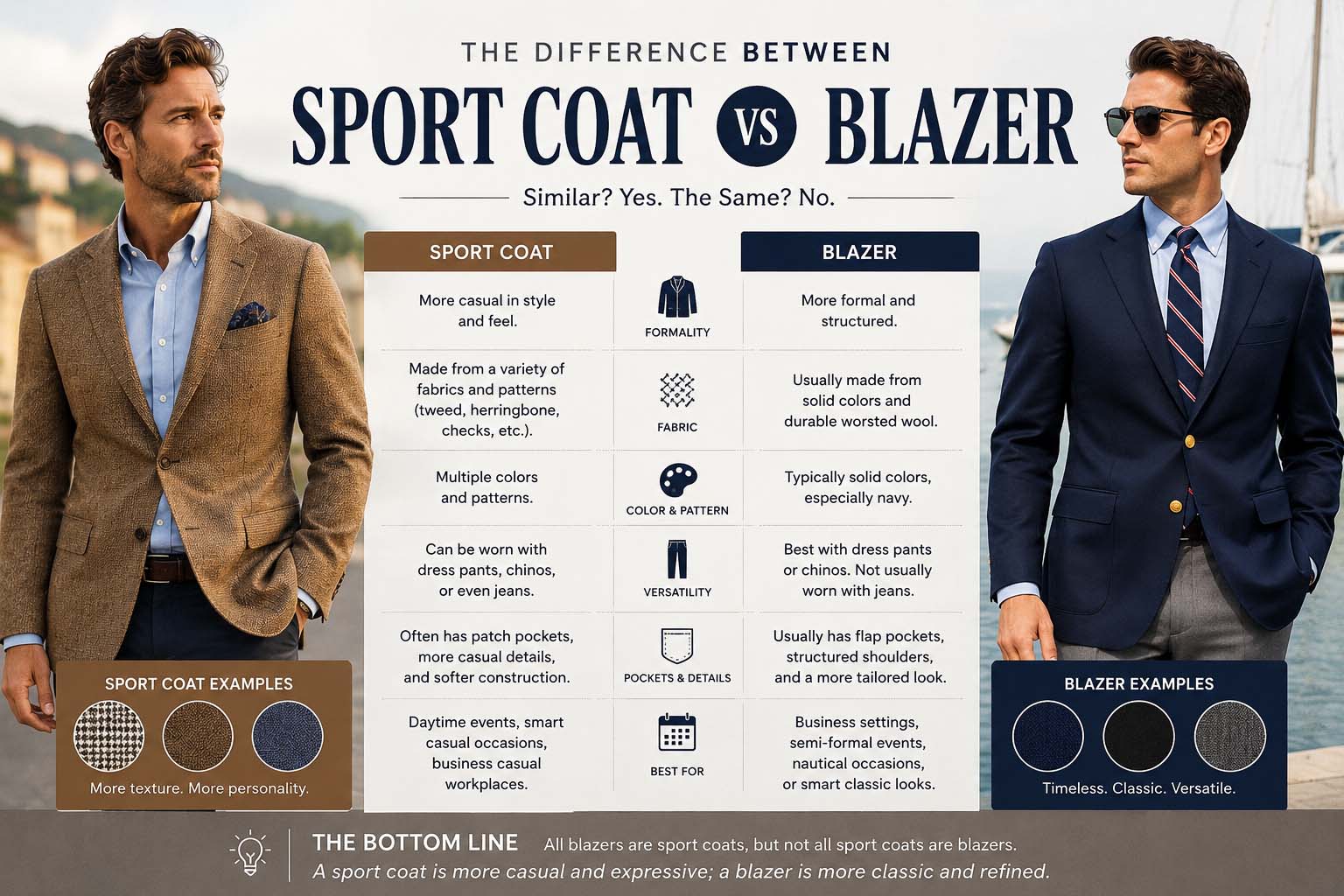
Your frame style also influences how sunglasses pair with different outfits. For example, classic aviators often complement business attire differently than sporty wraparound frames, much like understanding the difference between blazer and suit jacket helps you choose the right clothing for different occasions.
How to Choose the Best Polarized Sunglasses
Not every pair of polarized sunglasses is the same. While the lenses reduce glare, the overall quality depends on several factors that affect comfort, durability, and long-term value.
Before buying, compare:
- UV400 protection
- Lens material
- Frame weight
- Lens color
- Fit and coverage
- Scratch-resistant coatings
- Warranty or replacement policy
A pair that feels comfortable after a few minutes in the store is more likely to become your everyday choice.
Buying Checklist for Polarized Sunglasses
Use this quick checklist before making your purchase.
| Feature | Why It Matters |
|---|---|
| UV400 protection | Shields your eyes from harmful UVA and UVB rays |
| Polarized lenses | Reduces reflected glare |
| Comfortable fit | Prevents slipping during daily wear |
| Durable frame | Improves longevity |
| Quality hinges | Better long-term reliability |
| Lens coating | Helps resist scratches and smudges |
You don’t always need the most expensive pair. A well-made mid-range model can provide excellent performance for everyday use.
Lens Materials Explained
The lens material affects weight, clarity, and durability.
Polycarbonate
Polycarbonate lenses are lightweight and impact-resistant, making them a popular choice for sports, travel, and everyday wear.
Glass
Glass lenses often provide outstanding optical clarity and excellent scratch resistance. However, they are usually heavier than plastic alternatives.
Plastic
Plastic lenses are affordable and lightweight but may scratch more easily if they don’t include a protective coating.
Choosing the right material depends on how and where you plan to wear your sunglasses.
When Polarized Sunglasses May Not Be Ideal
Although many people appreciate polarized lenses, there are situations where they may not be the best option.
You might notice:
- Reduced visibility on some LCD screens
- Difficulty reading certain digital instrument panels
- Slight changes when viewing specific electronic displays
If your job depends on reading specialized equipment, it’s worth trying polarized lenses before committing to a purchase.
Common Shopping Mistakes
Many buyers focus only on appearance.
Instead, avoid these common mistakes:
- Assuming dark lenses automatically provide UV protection
- Ignoring frame fit
- Buying solely because of a designer logo
- Choosing the wrong lens color for your activities
- Forgetting to compare warranty coverage
- Skipping customer reviews from verified buyers
A little research before buying can help you find sunglasses that perform well for years.
Caring for Polarized Sunglasses
Proper care helps maintain clear vision and extends the life of your sunglasses.
Follow these simple tips:
- Clean lenses with a microfiber cloth.
- Use lens cleaning solution instead of household cleaners.
- Store sunglasses in a protective case.
- Avoid placing lenses face down.
- Keep them away from excessive heat, such as a hot car dashboard.
Regular care helps reduce scratches and keeps your lenses looking their best.
Style Matters Too
Performance is important, but sunglasses are also part of your everyday wardrobe.
Classic styles pair well with casual outfits, while sleek metal frames often suit professional clothing. If you’re building a versatile wardrobe, understanding the difference between tux and suit can also help when selecting accessories for formal occasions, including sunglasses that complement your overall look.
Likewise, colder months often call for seasonal accessories. Pairing quality sunglasses with a cozy layer becomes much easier when you know what is a cashmere sweater and why it’s considered a timeless wardrobe staple.
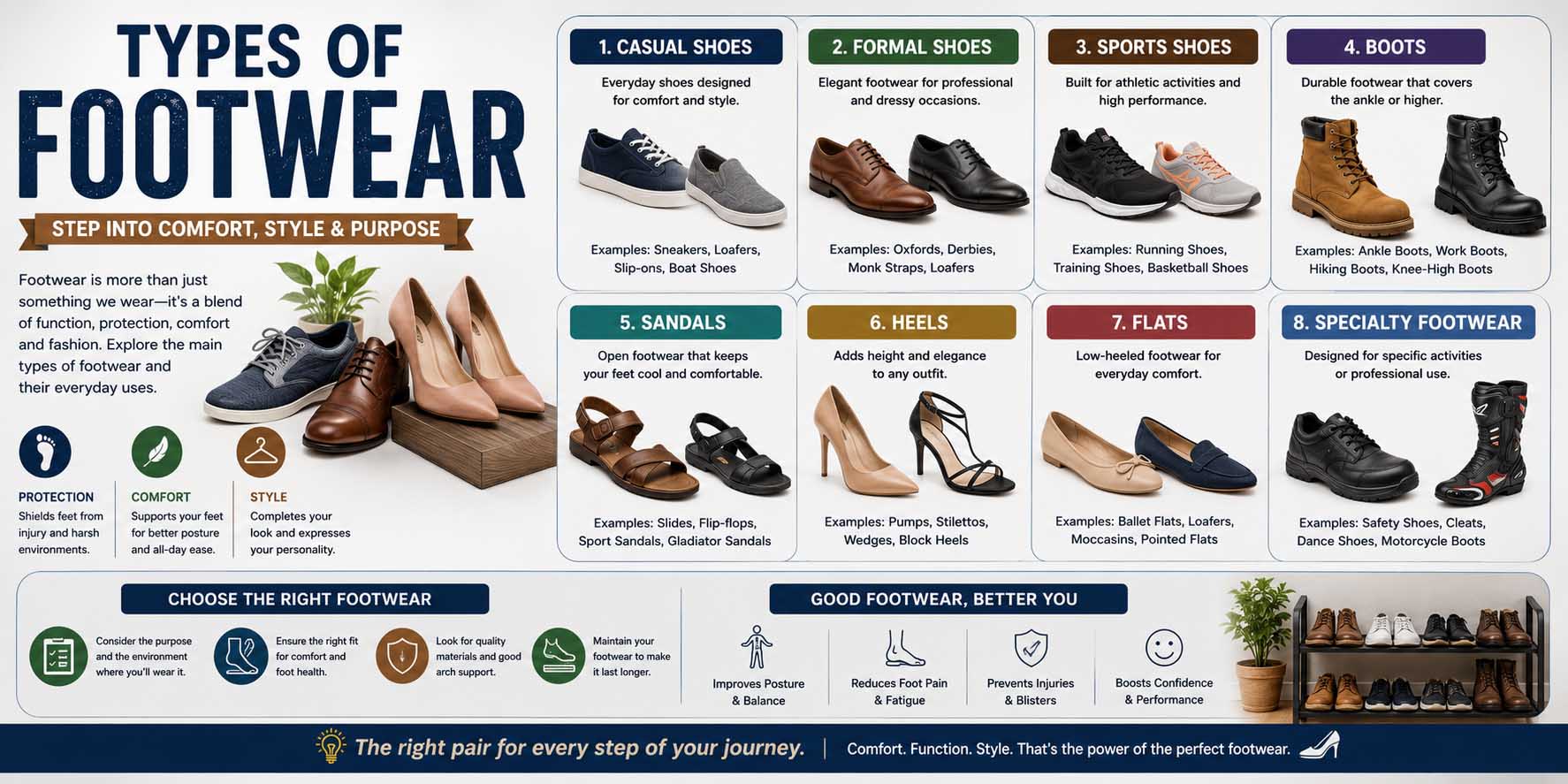
Fashion also comes down to balance. The frame shape you choose should complement your face shape and coordinate naturally with your footwear, just as different types of heels work better with certain outfits and occasions.
Frequently Asked Questions
What are the benefits of polarized sunglasses?
The main benefits include reduced glare, improved visual clarity, greater comfort in bright conditions, and less eye strain during many outdoor activities.
Are polarized sunglasses worth buying?
For many people, yes. Drivers, anglers, hikers, boaters, and anyone who spends time outdoors often appreciate the clearer vision polarized lenses provide.
Do polarized sunglasses block UV rays?
Polarization and UV protection are different features. Always confirm that your sunglasses provide 100% UVA and UVB protection in addition to polarized lenses.
Can I wear polarized sunglasses every day?
Yes. Many people use them as their everyday sunglasses for commuting, walking, shopping, and outdoor recreation.
Are expensive polarized sunglasses always better?
Not necessarily. Higher prices may reflect premium materials, brand reputation, or additional coatings. Compare lens quality, comfort, durability, and warranty instead of price alone.
Making the Right Purchase
The benefits of polarized sunglasses go far beyond reducing brightness. They improve comfort, reduce distracting glare, and can make everyday activities like driving, walking, boating, and fishing much more enjoyable.
Before buying, think about where you’ll wear them most often, compare lens materials and frame designs, and make sure the sunglasses include full UV protection alongside polarization. By matching the features to your lifestyle instead of chasing trends, you’ll be far more likely to choose a pair that delivers lasting value and everyday comfort.