
Benefits of Compression Shorts: A Complete Buyer’s Guide
Whether you’re training for a race, lifting weights, or simply looking for more comfortable athletic clothing, understanding the benefits of compression shorts can help you choose the right pair. These fitted garments have become popular among athletes and casual fitness enthusiasts because they offer support, reduce friction, and improve overall comfort during movement.
While compression shorts aren’t a substitute for proper training or recovery, they can make workouts feel more comfortable when chosen correctly. If you’re already exploring the benefits of compression shirts, pairing both garments can create a coordinated compression outfit for certain sports and fitness activities.
This guide explains how compression shorts work, their potential advantages, who should wear them, and what to consider before making a purchase.
What Are Compression Shorts?
Compression shorts are close-fitting athletic garments made from stretchy fabrics such as polyester, nylon, elastane, or spandex blends.
Unlike loose gym shorts, they apply gentle, even pressure around the hips, thighs, and upper legs while allowing a full range of motion.
They’re commonly worn for:
- Running
- Weight training
- Cycling
- Team sports
- CrossFit
- Hiking
- Yoga
- Everyday active lifestyles
Many athletes wear them alone, while others use them as a base layer beneath regular workout shorts.
Benefits of Compression Shorts for Everyday Training
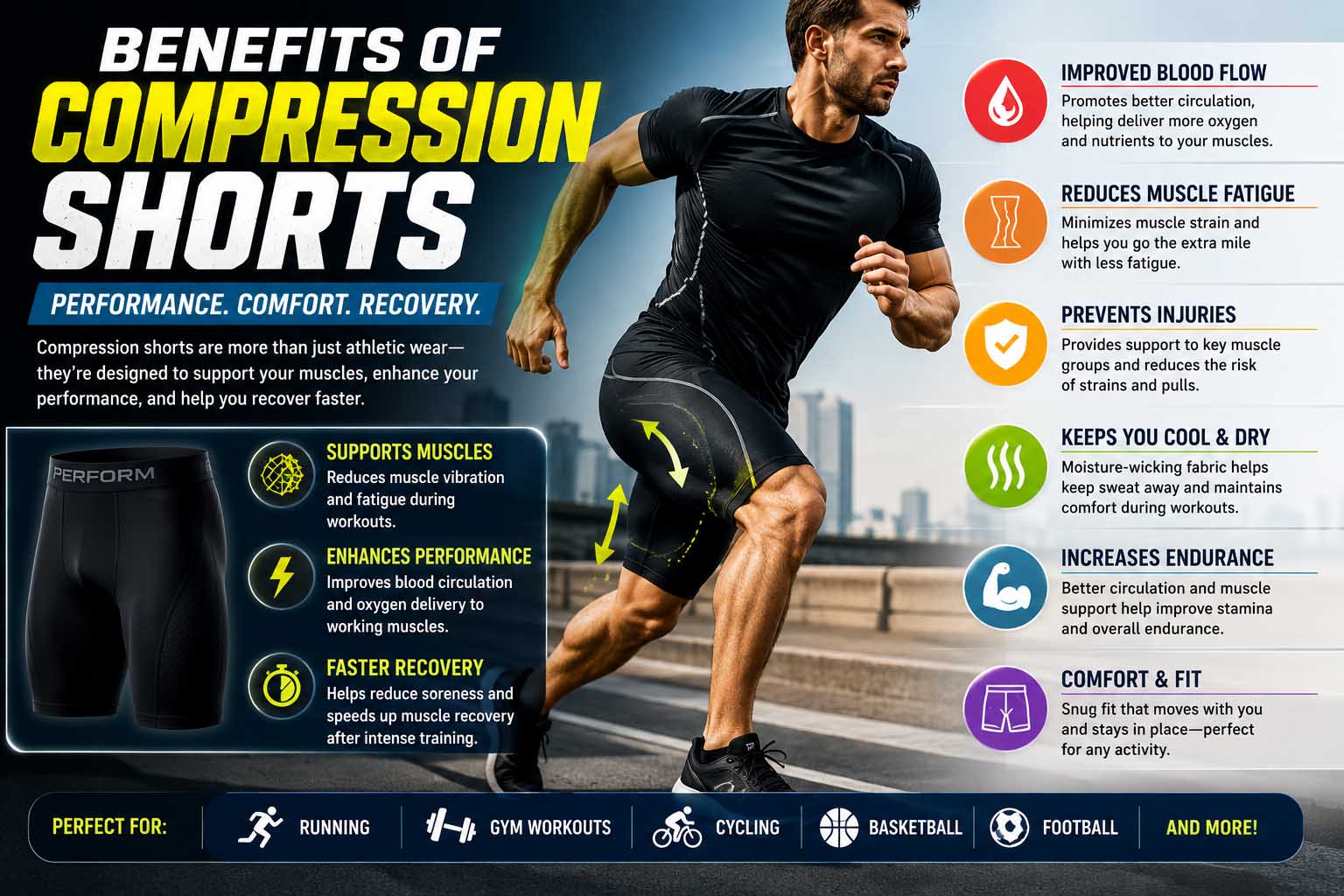
The benefits of compression shorts extend beyond professional sports. Recreational athletes often appreciate the comfort and support they provide during routine workouts.
Some of the most common advantages include:
- Reduced thigh chafing
- Improved muscle support
- Comfortable compression
- Moisture management
- Better freedom of movement
- Secure fit during exercise
Although experiences vary between individuals, these features make compression shorts a popular choice for active people.
Benefits of Wearing Compression Shorts During Exercise
One of the biggest reasons shoppers choose compression gear is improved comfort while moving.
Reduced Chafing
Skin irritation caused by repeated leg movement can quickly ruin a workout.
Compression shorts minimize skin-on-skin rubbing, making them especially useful for:
- Long-distance running
- Hiking
- Cycling
- Team sports
- High-intensity interval training
For many buyers, this alone justifies the purchase.
Better Muscle Support
Compression fabrics gently hug the muscles without restricting movement.
Many athletes feel this support creates a more stable sensation during explosive exercises like:
- Squats
- Lunges
- Sprinting
- Jumping
- Agility drills
While individual experiences differ, supportive clothing often increases workout comfort.
Improved Moisture Control
Quality compression shorts typically include moisture-wicking materials.
These fabrics pull sweat away from the skin, helping athletes stay drier throughout training.
Look for features like:
- Breathable mesh panels
- Quick-drying fabrics
- Ventilation zones
- Flatlock stitching
These details make a noticeable difference during longer workouts.
Benefits of Compression Shorts for Running
Among runners, the benefits of compression shorts for running often center on comfort over long distances.
Long runs involve thousands of repeated strides.
A well-fitting pair of compression shorts may help by:
- Preventing thigh rubbing
- Staying securely in place
- Reducing distractions caused by loose clothing
- Keeping moisture under control
Many runners also appreciate integrated pockets for carrying keys, energy gels, or a phone.
Choosing the Right Material
Fabric quality affects comfort just as much as compression.
Here’s a quick comparison:
| Material | Advantages | Best For |
|---|---|---|
| Polyester Blend | Durable, quick drying | Daily workouts |
| Nylon Blend | Soft and smooth | Running and gym sessions |
| Spandex/Elastane | Excellent stretch | Flexibility and mobility |
| Compression Mesh | Increased airflow | Hot weather workouts |
Most premium compression shorts combine several materials to balance comfort, durability, and elasticity.
Benefits of Compression Shorts for Men and Women
Although many products are marketed separately, the core advantages remain similar.
The benefits of compression shorts for men include improved support during strength training, running, and competitive sports.
Women’s compression shorts provide many of the same features while often including design adjustments for different body shapes and movement patterns.
Rather than focusing only on gender-specific marketing, prioritize:
- Proper sizing
- Comfortable waistband
- Quality stitching
- Breathability
- Fabric durability
Fit matters far more than branding.
How Tight Should Compression Shorts Be?
A common mistake is assuming tighter always means better.
Compression shorts should feel snug without causing discomfort.
A good fit should:
- Stay in place while moving
- Allow unrestricted breathing
- Avoid pinching
- Prevent rolling at the waistband
- Support movement naturally
If circulation feels restricted or movement becomes uncomfortable, the shorts are probably too small.
Buying Features That Matter Most
Not every pair offers the same performance.
When comparing options, pay attention to these features.
Flatlock Seams
Flat seams reduce friction against the skin.
This becomes especially valuable during long training sessions.
Wide Waistband
A wider waistband distributes pressure more evenly while reducing rolling or bunching.
Four-Way Stretch Fabric
Stretchable materials allow unrestricted movement during exercises like squats, lunges, or yoga.
Breathable Panels
Mesh ventilation helps regulate temperature during warmer conditions or high-intensity workouts.
Compression Shorts vs Regular Athletic Shorts
Both options have their place.
| Feature | Compression Shorts | Regular Athletic Shorts |
|---|---|---|
| Fit | Tight | Loose |
| Muscle Support | Yes | Minimal |
| Chafing Protection | Excellent | Moderate |
| Breathability | High | Varies |
| Layering | Excellent | Usually outer layer |
Many athletes wear compression shorts underneath regular gym shorts for added comfort and coverage.
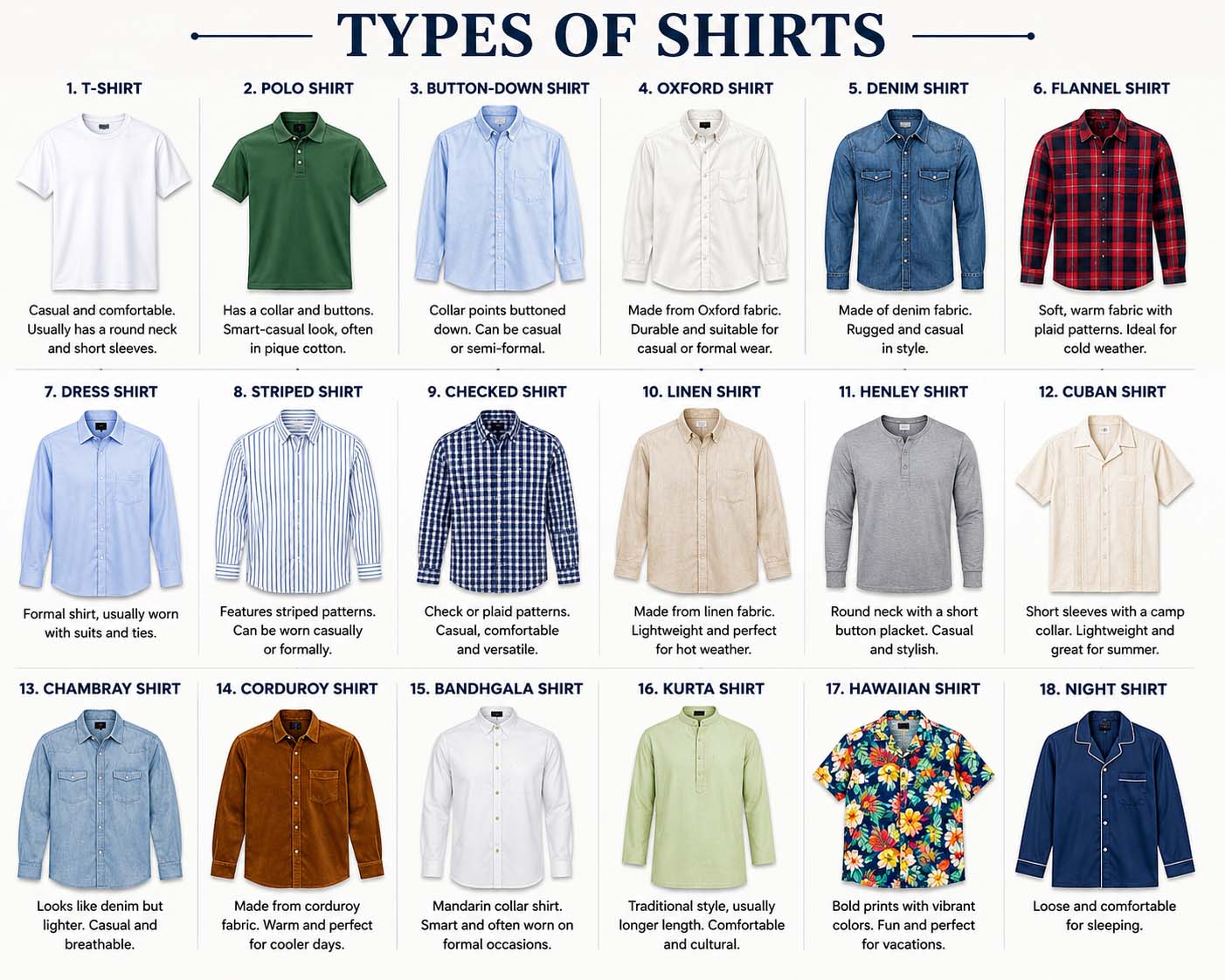
If you’re also building a workout wardrobe, understanding different types of shirts can help you pair compression shorts with tops designed for your preferred activity.
Common Mistakes to Avoid When Buying Compression Shorts
Not all compression shorts deliver the same experience. Avoiding a few common mistakes will help you get better value for your money.
Choosing the Wrong Size
Many shoppers assume tighter means better support.
In reality, shorts that are too tight can feel uncomfortable, restrict movement, and leave marks on the skin. On the other hand, loose compression shorts won’t provide the snug fit they’re designed for.
Always check the brand’s sizing chart instead of relying on your usual clothing size.
Ignoring Fabric Quality
Lower-priced options sometimes use thinner materials that lose their elasticity after repeated washing.
Look for:
- Durable stitching
- Moisture-wicking fabric
- Four-way stretch
- Reinforced seams
- Breathable panels
These features usually improve comfort and longevity.
Buying for Appearance Alone
Stylish designs are a bonus, but comfort and performance should come first.
Choose shorts based on your activity rather than color or branding.
Are Compression Shorts Worth Buying?
For many active people, the answer is yes.
The value comes from improved comfort rather than dramatic performance gains.
Compression shorts can be worthwhile if you regularly:
- Run
- Lift weights
- Play sports
- Cycle
- Train outdoors
- Walk long distances
If your workouts are occasional or low intensity, standard athletic shorts may be sufficient.
How to Choose the Best Compression Shorts
When shopping, compare products using several factors instead of focusing only on price.
Activity Type
Different sports have different requirements.
| Activity | Recommended Features |
|---|---|
| Running | Lightweight, breathable fabric |
| Weightlifting | Flexible stretch and strong waistband |
| Cycling | Longer inseam and chafe protection |
| Team Sports | Durable material and secure fit |
| General Fitness | Balanced compression and comfort |
Choosing shorts designed for your main activity usually produces better results.
Length
Compression shorts are available in several inseam lengths.
Shorter styles offer greater freedom of movement.
Longer versions provide additional thigh coverage and reduce friction during long-distance activities.
Pocket Options
Many modern designs include:
- Phone pockets
- Key pockets
- Card sleeves
- Small zip compartments
These features add convenience without sacrificing comfort.
Caring for Compression Shorts
Proper care helps preserve elasticity and fabric performance.
To extend their lifespan:
- Wash in cold water.
- Use mild detergent.
- Skip bleach.
- Air dry whenever possible.
- Avoid excessive heat from dryers.
High temperatures can gradually reduce the stretch that gives compression garments their supportive fit.
Who Benefits Most from Compression Shorts?
Compression shorts are suitable for many lifestyles.
They work well for:
- Recreational runners
- Gym enthusiasts
- Cyclists
- Football and basketball players
- Hikers
- Fitness beginners
- People who experience thigh chafing during exercise
You don’t need to be a professional athlete to appreciate their comfort.
Compression Shorts vs Compression Leggings
Some shoppers wonder whether shorts or full leggings are the better choice.
Here’s a quick comparison.
| Feature | Compression Shorts | Compression Leggings |
|---|---|---|
| Coverage | Upper legs | Full legs |
| Warm Weather | Excellent | Moderate |
| Cold Weather | Fair | Excellent |
| Freedom of Movement | Excellent | Excellent |
| Layering | Easy | Moderate |
If you primarily train indoors or in warm climates, compression shorts are often the more comfortable option.
Building a Comfortable Workout Outfit
Compression shorts are only one part of a functional training wardrobe.
Pair them with breathable tops, supportive footwear, and weather-appropriate outerwear.
For warm-weather training, lightweight types of tank tops pair well with compression shorts because they improve airflow while maintaining comfort.
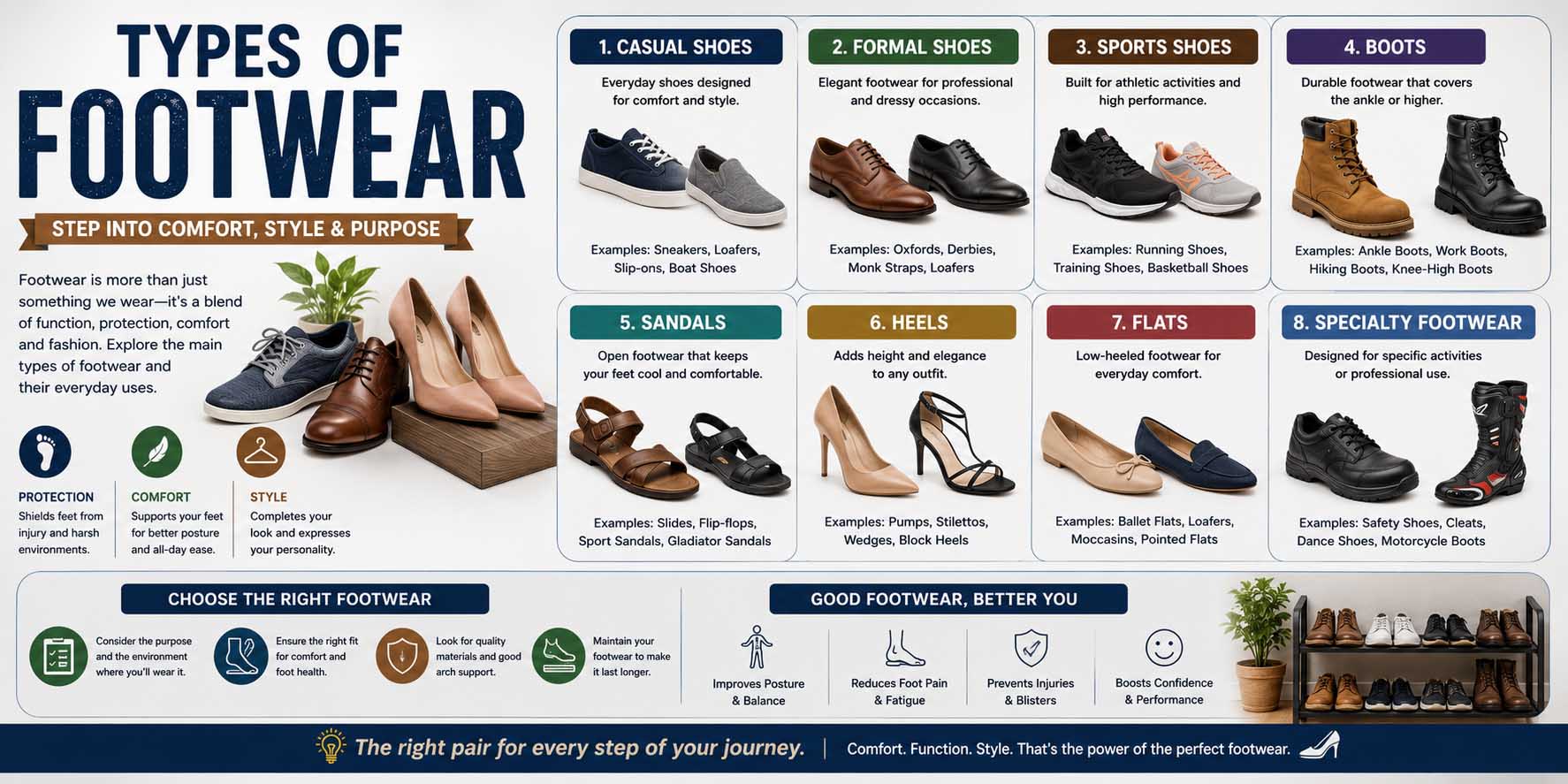
Your footwear also matters. Wearing the right types of footwear for your activity can improve stability, comfort, and overall performance.
During colder months, layering with suitable types of coats before and after workouts helps maintain comfort while traveling to and from the gym without overheating during exercise.
Frequently Asked Questions
What are the benefits of compression shorts?
The primary benefits of compression shorts include reduced thigh chafing, muscle support, moisture management, a secure fit, and improved comfort during physical activity. Individual experiences may vary depending on the sport and the quality of the garment.
Are compression shorts only for athletes?
No.
They’re suitable for anyone who enjoys walking, running, gym workouts, cycling, hiking, or recreational sports.
Can compression shorts replace regular shorts?
Yes, many styles are designed to be worn on their own.
Others work better as a base layer beneath regular athletic shorts.
Should compression shorts feel tight?
They should fit snugly without restricting movement or causing discomfort.
If they pinch, roll excessively, or make movement difficult, consider trying a larger size.
How long do compression shorts last?
A quality pair often lasts one to three years with regular use, depending on fabric quality, workout frequency, and proper care.
Are expensive compression shorts always better?
Not necessarily.
Higher-priced models may include premium fabrics, reinforced stitching, and extra features, but many mid-range options provide excellent comfort and durability.
Compare materials, construction, and customer reviews instead of judging by price alone.
Shop Smarter for Long-Term Comfort
The benefits of compression shorts come down to comfort, support, and practicality. They won’t instantly improve athletic performance, but they can make workouts feel more enjoyable by reducing friction, staying securely in place, and providing gentle muscle support.
When choosing your next pair, focus on fit, fabric quality, breathability, and the activities you’ll use them for most. A well-made pair that matches your training style is usually a better investment than simply buying the most expensive option.