
Difference Between Modular and Manufactured Homes: What Buyers Should Know
If you’re shopping for a factory-built house, understanding the difference between modular and manufactured homes can prevent some expensive misunderstandings. Both are largely constructed in controlled factory environments and then transported to a home site, yet they follow different building standards and can differ in foundations, financing, installation, resale considerations, and how they’re legally classified. Therefore, the better choice depends less on appearance and more on your land, budget, lender, local rules, and long-term plans.
Modern factory-built homes can look surprisingly similar once installed. As a result, you often can’t identify the construction type simply by looking at the exterior. Instead, buyers should verify how the home was built, which code applies, how it will be installed, and how local authorities classify it.
Quick Difference Between Modular and Manufactured Homes
The easiest distinction starts with the construction standard.
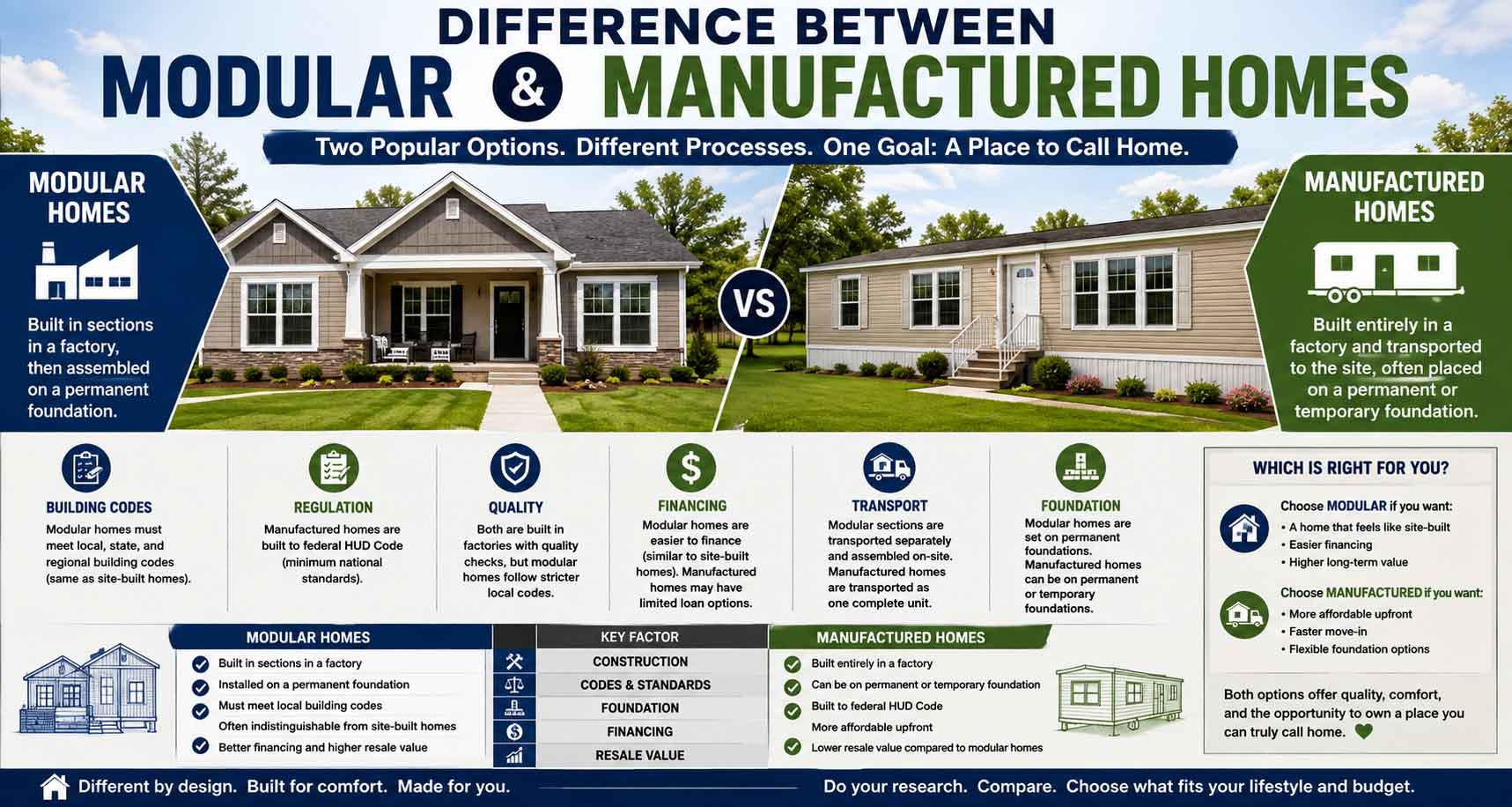
A modular home is factory-built in sections, or modules, and generally constructed to the state and local building codes that apply where the home will be permanently installed. After transportation, contractors assemble those modules on the prepared foundation.
A manufactured home, meanwhile, is built to the federal Manufactured Home Construction and Safety Standards administered by the U.S. Department of Housing and Urban Development, commonly called the HUD Code. The home is constructed on a permanent chassis before being transported to its site.
Here’s a quick comparison:
| Feature | Modular Home | Manufactured Home |
|---|---|---|
| Main building standard | State/local building codes | Federal HUD Code |
| Construction | Factory-built modules | Factory-built on permanent chassis |
| Site assembly | Modules joined at property | Delivered substantially complete |
| Foundation | Typically permanent foundation | Installation varies by home/site |
| Appearance | Highly customizable | Many traditional and modern designs |
| Financing | May qualify for conventional construction/mortgage options | Financing depends heavily on land, title and property classification |
| Relocation | Not designed for routine relocation | Transportable by design, though moving an installed home can be complex |
| Typical buyer | Wants factory construction with site-built-home characteristics | Prioritizes factory-built value and efficient production |
Because rules differ by location, buyers should confirm requirements with local building officials, lenders, insurers, dealers, and contractors before purchasing.
What Is the Difference Between Modular and Manufactured Homes in Construction?
Both housing types benefit from factory production. Since workers build much of the structure indoors, materials receive less exposure to weather during this stage. Factory processes can also make scheduling and material management more predictable.
However, the similarities start separating when you look at codes and final installation.
How Modular Homes Are Built
Manufacturers construct modular houses as large three-dimensional sections. Those modules can include completed walls, wiring, plumbing, insulation, windows, flooring, cabinetry, and other components, depending on the builder and package.
Next, trucks transport the sections to the property. A crane typically places them onto the prepared foundation, and crews connect and finish the structure.
If you’re still asking what is a modular home, think of it as a house assembled from substantial factory-built sections rather than a home that remains permanently attached to a transportation chassis.
How Manufactured Homes Are Built
Manufactured homes are constructed according to the federal HUD Code and on a permanent chassis. Buyers may encounter single-section homes as well as larger multi-section configurations.
After production, the sections travel to the home site, where professional installers complete setup according to applicable installation requirements.
However, “manufactured” should not automatically be treated as another word for “mobile home.” In U.S. housing terminology, manufactured homes are homes constructed to the HUD Code, which took effect on June 15, 1976. Older mobile homes belong to an earlier regulatory era.
What’s the Difference Between Modular and Manufactured Homes for Buyers?
From a shopping perspective, the differences become especially meaningful when you consider the entire purchase rather than the advertised home price.
For example, your budget may also need to cover land, site preparation, permits, utility connections, transportation, foundation work, installation, garages, porches, driveways, landscaping, taxes, and other expenses.
Therefore, ask sellers for a detailed breakdown of what the quoted price actually includes.
A low advertised starting price doesn’t necessarily represent the final move-in cost.
Foundations and Site Preparation Can Change the Budget
Modular homes are generally placed on permanent foundations. Depending on the design and location, that might involve a basement, crawl space, or another engineered foundation system.
Manufactured-home installation can vary. The home’s design, local requirements, financing arrangement, site conditions, and applicable installation standards can influence the foundation or support system.
Site preparation can become a major expense for either type. For instance, sloped land may require more grading, while rural property can need extensive utility connections.
Likewise, moisture management deserves attention when a crawl space is part of the design. Researching a vapor barrier crawl space setup can help buyers understand one element of controlling ground moisture beneath suitable homes.
Before signing a contract, therefore, request site-specific estimates instead of relying entirely on a model’s base price.
Design and Customization Options
Modular construction often offers considerable design flexibility. Depending on the builder, buyers may choose layouts, exterior materials, rooflines, kitchens, bathrooms, flooring, fixtures, and architectural details.
Manufactured homes also offer far more design variety than many buyers expect. Multi-section models can include open floor plans, islands, walk-in closets, multiple bathrooms, porches, and contemporary exterior styles.
Still, customization levels vary from manufacturer to manufacturer.
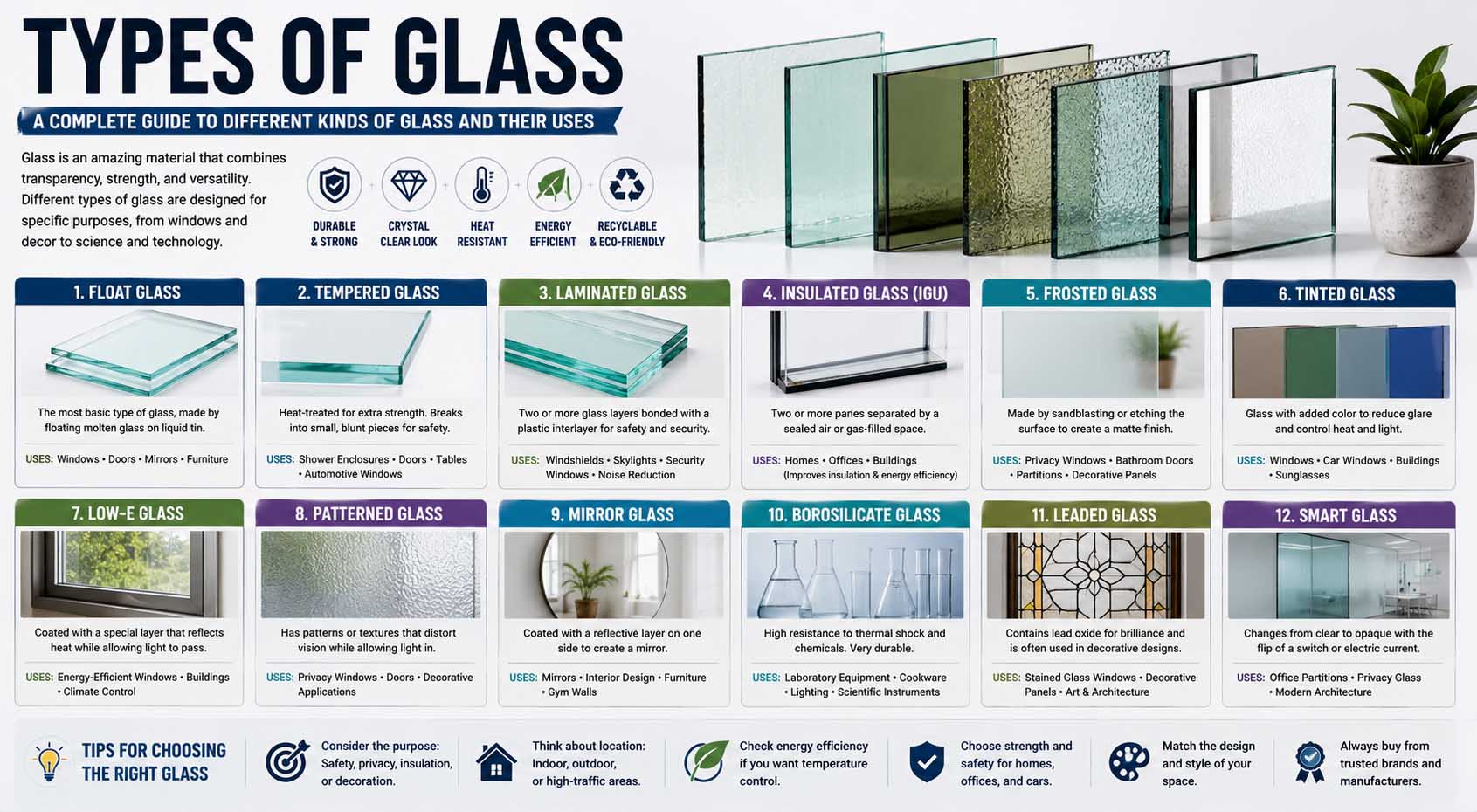
Windows are a good example. Different types of windows can influence natural light, ventilation, appearance, maintenance, and price, so buyers should check exactly which window package comes standard and which designs count as upgrades.
Therefore, compare specifications rather than relying solely on model-home appearance.
Flooring, Cabinets, and Interior Materials
Factory-built homes can range from basic entry-level models to houses with upgraded interior finishes. Consequently, two homes in the same size category may have very different material specifications.
Start by checking flooring.
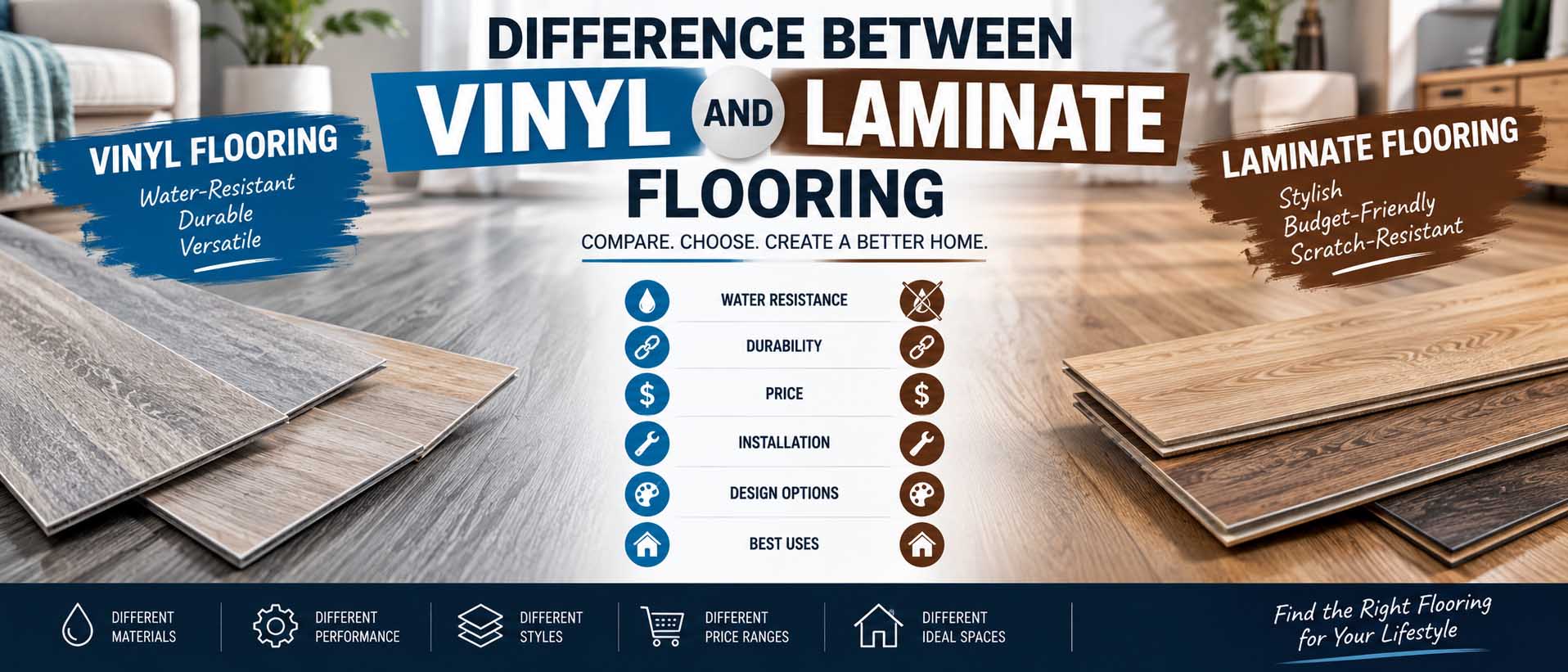
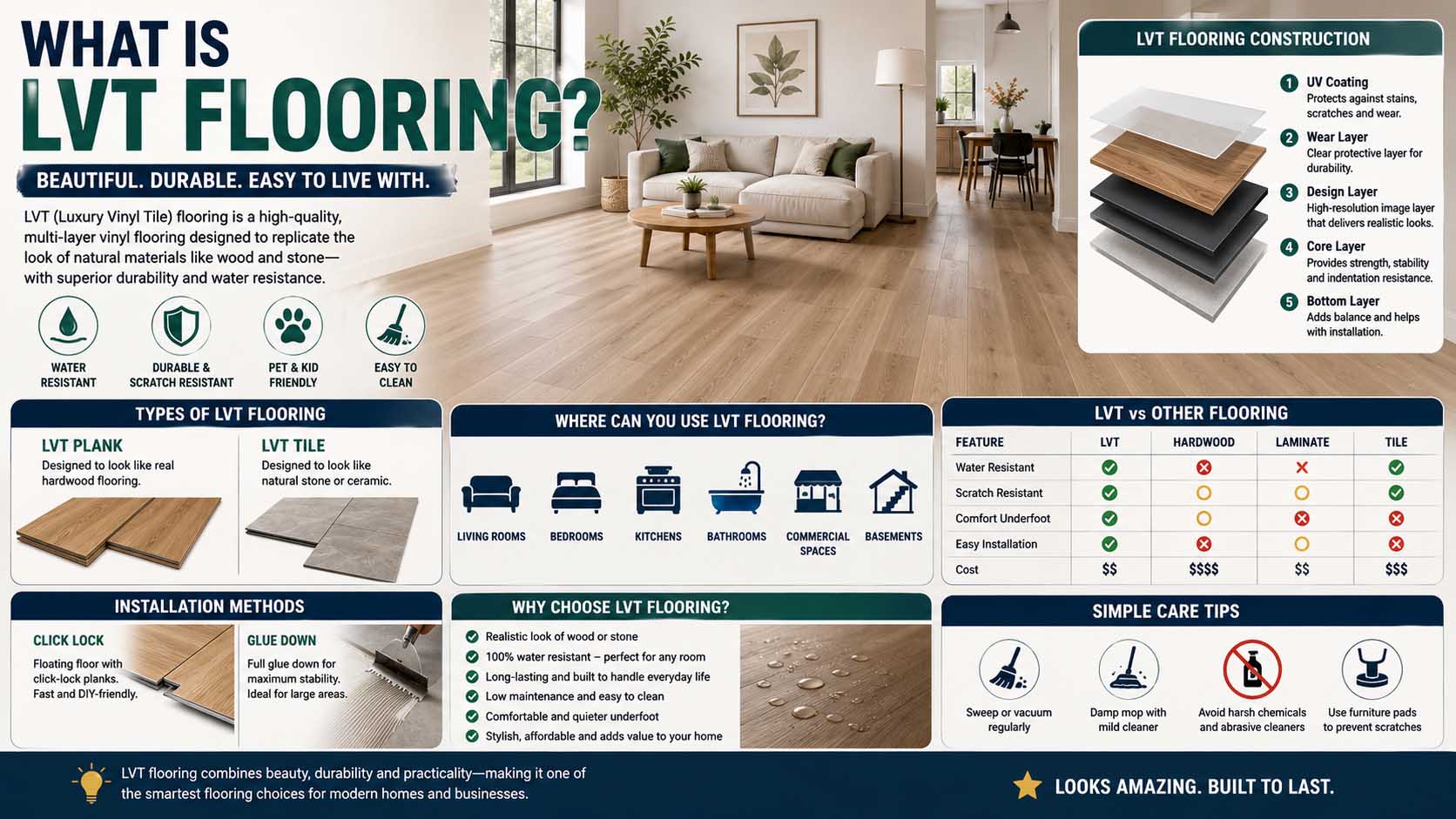
Carpet, sheet vinyl, laminate, tile, engineered products, and luxury vinyl products may appear in different packages. Buyers comparing resilient flooring upgrades may want to understand what is lvp flooring before deciding whether the upgrade suits their household and budget.
Next, inspect cabinetry, countertops, interior doors, trim, plumbing fixtures, and hardware. Also, ask which features in a model home are standard.
That last point matters because display homes often showcase optional upgrades. Therefore, request a written specification sheet for the exact configuration you’re pricing.
Manufactured vs Modular Home Costs
There isn’t one reliable national price difference that applies to every purchase.
Manufactured homes are often positioned as a lower-cost path to new factory-built housing. However, the total project price can rise once you add land, transportation, installation, utility work, permits, foundation requirements, taxes, and upgrades.
Modular homes can also offer factory-production efficiencies, yet site work, foundation construction, crane service, finishing work, and customization affect the final cost.
Consequently, compare turnkey prices, not just factory prices.
Ask each seller to separate the quote into categories such as:
- Home or modules
- Transportation
- Foundation and site preparation
- Installation or assembly
- Utility connections
- Permits and inspections
- Interior/exterior upgrades
- Steps, decks, porches, or garages
- Taxes and fees where applicable
Prices vary considerably by manufacturer, home size, design, retailer, labor market, property, location, and time.
Financing Can Be Very Different
Financing is one of the biggest practical reasons buyers need to understand the difference between manufactured and modular homes.
Modular homes permanently installed on owned land may often be financed similarly to site-built homes, subject to the lender, property, appraisal, borrower qualifications, and loan program.
Manufactured-home financing can depend strongly on whether the buyer owns the land, whether the home is treated as real property or personal property, its installation, age, and the requirements of a particular loan program.
Some manufactured homes may qualify for mortgage programs when they meet applicable conditions. In other situations, buyers may use personal-property financing, often called a chattel loan.
Because terms can differ significantly, get financing information before choosing a specific home. Otherwise, you could spend time configuring a model that doesn’t work with your preferred loan.
Land Ownership and Placement Rules
Finding a home you like doesn’t guarantee that you can place it on a particular property.
Local zoning, subdivision rules, deed restrictions, minimum dimensions, setbacks, foundation requirements, utility rules, and other regulations may affect what you can build or install.
Therefore, verify the property first.
Ask the local planning or building department whether your proposed home type is allowed on the specific parcel. Also, confirm access for delivery trucks and, for modular construction, crane operations.
This step is especially useful before purchasing rural or undeveloped land.
Resale Value and Appraisal Considerations
Buyers sometimes assume that one factory-built housing type always appreciates while another always loses value. However, real-world property values depend on many variables.
Location matters. So do land ownership, condition, age, neighborhood demand, maintenance, comparable sales, installation, housing supply, and broader market conditions.
A modular home installed as permanent real estate is generally appraised within the real-property market applicable to the property.
Meanwhile, manufactured-home valuation can depend on whether the home and land are owned together, how the property is titled and installed, its condition, and available comparable sales.
Therefore, buyers who expect to sell within several years should ask a local real estate professional or appraiser about their specific market rather than relying on national assumptions.
Pros and Cons of Modular Homes
Modular homes can appeal to shoppers who want factory construction while retaining many characteristics associated with conventional residential construction.
Potential advantages include:
- Construction to applicable state and local building codes
- Significant design flexibility from some manufacturers
- Controlled factory construction environment
- Permanent foundation installation
- Access to familiar mortgage structures in many situations
However, there are trade-offs.
Site work can still be expensive, while transportation and crane access may limit certain properties. Likewise, highly customized designs can increase costs and reduce some of the price advantages buyers expect from factory production.
Pros and Cons of Manufactured Homes
Manufactured housing can appeal strongly to buyers focused on purchase price and factory efficiency.
Potential advantages include:
- Federal construction standard
- Efficient factory production
- Wide range of floor plans and sizes
- Potentially lower home cost than some other new-housing options
- Modern interior and exterior choices
On the other hand, financing can be more complicated in some situations. Placement restrictions may also apply, while land ownership and property classification can influence financing and resale considerations.
Therefore, research the full ownership setup rather than comparing home prices alone.
Common Mistakes When Shopping for Factory-Built Homes
One major mistake is using “modular,” “manufactured,” and “mobile” interchangeably. These terms can describe legally and structurally different housing categories.
Another mistake is comparing base prices. A $100,000 home package and a $130,000 package can’t be fairly compared until you know what each includes.
Similarly, don’t buy land before confirming placement rules. A seemingly affordable lot becomes a poor purchase if zoning, access, utilities, or site conditions prevent your intended project.
Also, don’t assume every feature inside the display model comes standard. Ask for a line-by-line specification sheet and upgrade list.
Finally, avoid selecting a home before discussing financing. Prequalification can help establish which housing types and total project costs fit your realistic budget.
Questions to Ask Before Signing a Purchase Contract
Before making a deposit, ask the dealer or builder exactly which construction standard applies and what is included in the quoted price.
Then, ask who handles transportation, site preparation, foundation work, utility connections, permits, installation, inspections, and final finishing.
You should also clarify warranty coverage. Find out which company handles problems with the home itself and which contractor handles installation or site-related issues.
Finally, request a realistic project timeline. Factory construction can be efficient, but permitting, land preparation, utility work, weather, transportation, inspections, and contractor scheduling can still affect your move-in date.
FAQs About Modular and Manufactured Homes
What is the difference between manufactured and modular homes?
Modular homes are factory-built in sections according to the applicable state and local building codes for their final location and are assembled on site, typically on permanent foundations.
Can a modular home look like a regular house?
Yes. Once completed, many modular homes closely resemble comparable site-built houses. Exterior design, roof shape, siding, foundation, landscaping, and customization all influence the final appearance.
Is a manufactured home the same as a mobile home?
Not under current U.S. regulatory terminology. “Manufactured home” refers to homes built to the federal HUD Code after that standard took effect on June 15, 1976, while “mobile home” commonly describes factory-built homes produced before that date.
Which is cheaper, modular or manufactured?
Manufactured homes often have lower starting prices than comparable modular construction. However, the final difference depends on land, size, upgrades, site preparation, transportation, foundation, utilities, installation, financing, and local costs.
Which type is better for long-term ownership?
Neither option is automatically better for every buyer. Instead, compare the property classification, land arrangement, construction quality, financing, local market, maintenance requirements, and expected length of ownership.
Choosing the Home Type That Fits Your Plans
So, what is the difference between modular and manufactured homes when you’re actually ready to buy? The biggest distinction lies in the construction standards and the way each home fits into the broader property, installation, financing, and regulatory system.
If you want a factory-built house that follows local building codes and is assembled as permanent real estate, modular construction may fit your plans well. Meanwhile, manufactured housing may make more sense if factory efficiency and a potentially lower initial home price are major priorities.
Either way, don’t choose from the model-home price alone. Compare the land, site work, foundation, transportation, utilities, upgrades, financing, insurance, taxes, and installation as one complete purchase. Once those numbers are on the table, you’ll have a much clearer picture of which home offers better value for your particular situation.