

What to Wear to a Funeral: A Complete Guide to Respectful Funeral Attire
Knowing what to wear to a funeral can feel difficult, especially when you are already dealing with an emotional situation. A funeral brings people together to remember someone who has passed away and support their grieving family. Therefore, choosing appropriate clothing is a thoughtful way to show respect.
Traditional funeral attire usually includes modest clothing in dark or neutral colors. Black remains a common choice, although navy, charcoal gray, and other subdued shades also work well. However, dress expectations can vary depending on religious customs, cultural traditions, and the family’s preferences.
For example, some families organize celebrations of life and encourage guests to wear cheerful colors. Others prefer formal clothing that reflects traditional mourning practices. Therefore, checking the invitation or speaking with a family member can help you make an appropriate choice.
Most importantly, funeral clothing does not need to be expensive or fashionable. Instead, focus on clean, comfortable, and respectful garments that allow you to participate in the service without unnecessary distractions.
What to Wear to a Funeral: Basic Dress Code
Most traditional funerals call for conservative clothing that reflects the serious nature of the occasion.
Generally, guests choose dark colors, simple designs, and comfortable footwear. However, the family’s instructions should always take priority over general fashion rules.
Best Colors to Wear to a Funeral
Black is the most traditional funeral color in many Western cultures. Nevertheless, it is not the only acceptable option.
Other suitable colors include:
- Navy blue
- Charcoal gray
- Dark brown
- Deep burgundy
- Muted green
- Other subdued neutral shades
For example, a navy suit or charcoal dress can look just as respectful as an all-black outfit.
However, avoid extremely bright colors unless the family specifically requests them.
Choosing Modest and Comfortable Clothing
Funeral clothing should allow you to sit, stand, walk, and participate comfortably.
Therefore, choose garments that fit properly and do not require constant adjustment.
Additionally, consider the location of the service. A church ceremony may have different expectations from an outdoor memorial or informal celebration of life.
Above all, your clothing should help you feel appropriately dressed without drawing attention away from the occasion.
What to Wear to a Funeral for Women
Women have several appropriate clothing options for funerals, including dresses, skirts, pantsuits, and tailored trousers.
The best choice depends on personal comfort, weather conditions, and the formality of the ceremony.
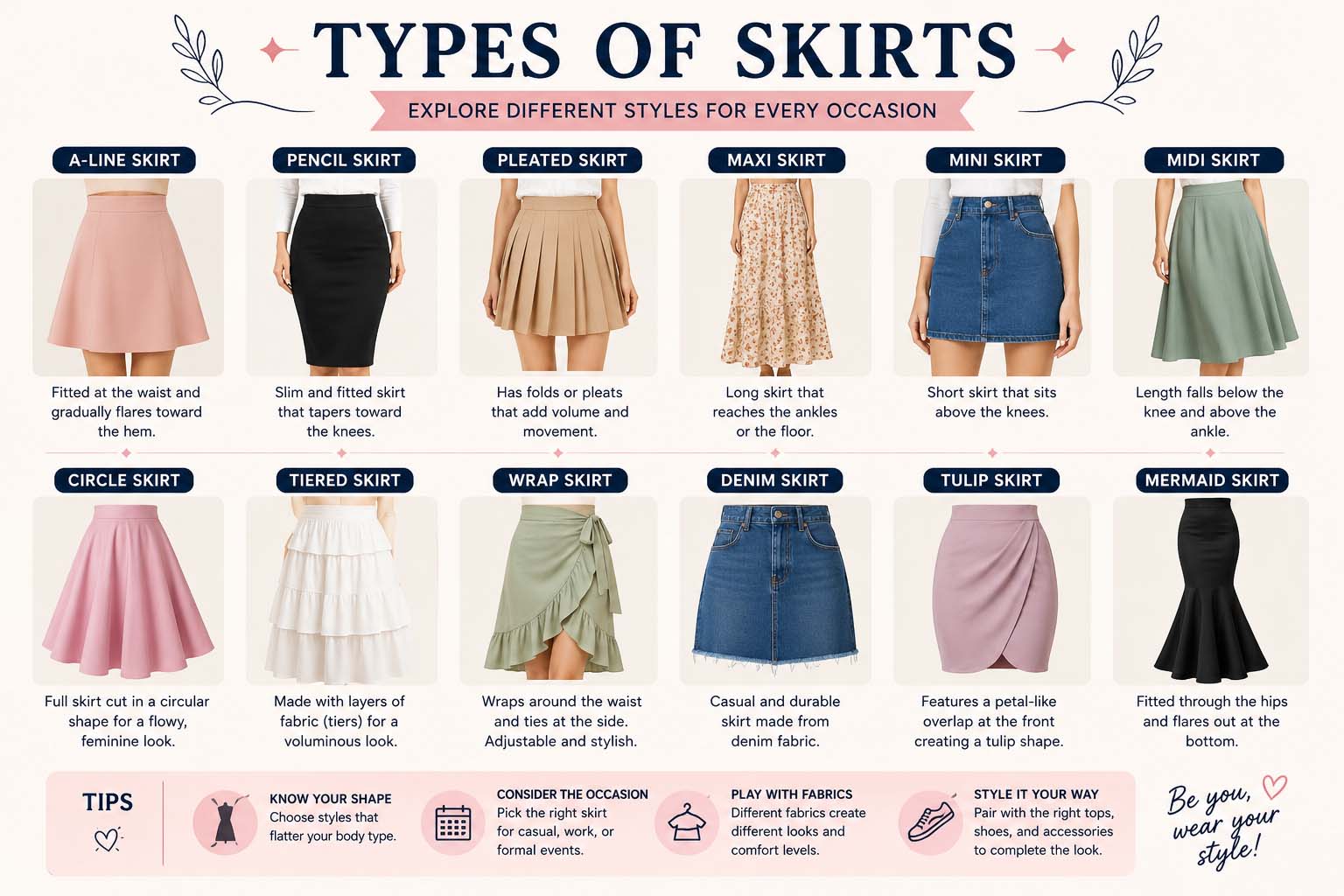
Funeral Dresses and Skirts for Women
A simple black dress remains a traditional funeral outfit.
However, navy, charcoal, and other muted colors can also work well.
For most conventional services, consider:
- Knee-length or longer dresses
- Modest necklines
- Simple sleeves or an appropriate outer layer
- Minimal patterns
- Comfortable fabrics
For example, a dark midi dress paired with a cardigan creates a polished appearance without looking overly formal.
Meanwhile, women who want to understand how dress styles differ across occasions can explore wedding guest dresses.
Nevertheless, funeral clothing should remain more understated than typical celebration attire.
Pantsuits and Dress Pants
Women do not need to wear dresses to funerals.
In fact, a tailored pantsuit can provide a comfortable and respectful alternative.
A dark blazer with matching trousers works particularly well for traditional services.
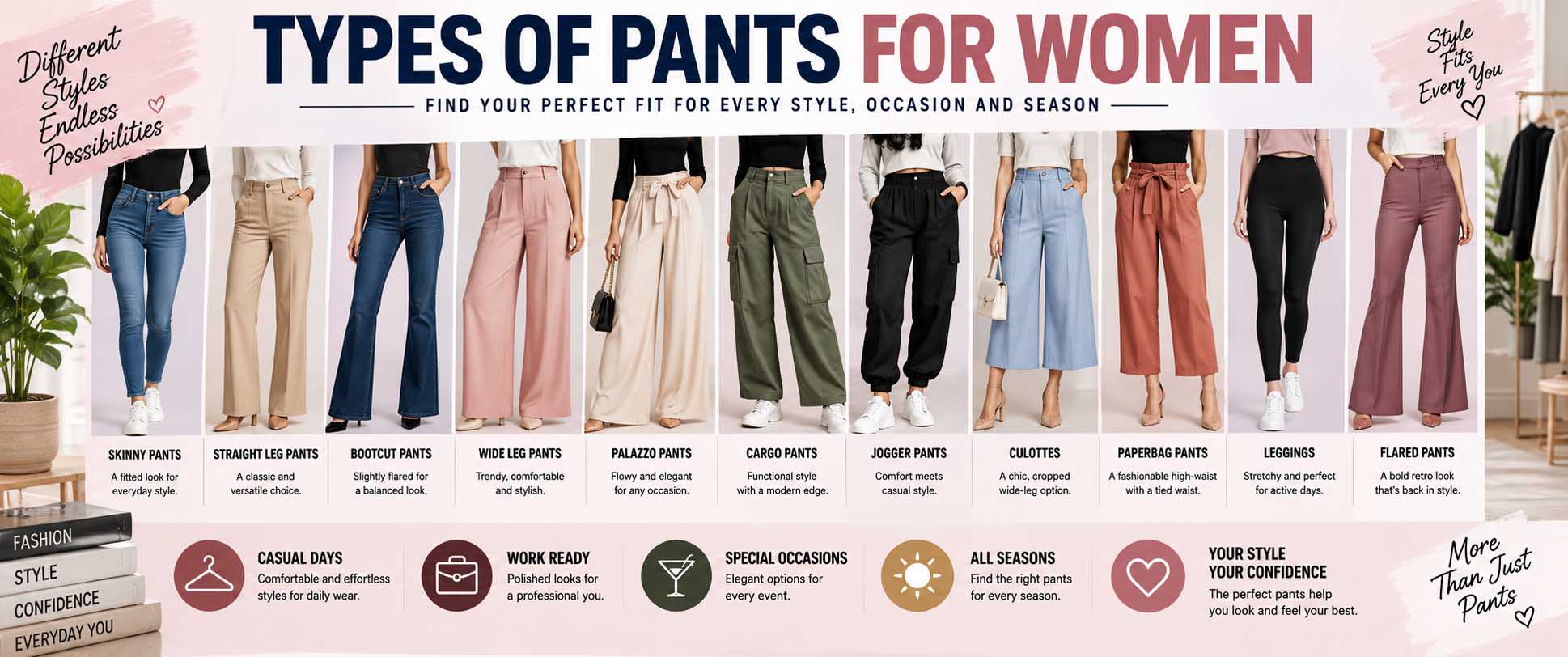
Alternatively, women can pair dress pants with a modest blouse or lightweight sweater.
Therefore, choose whichever option feels comfortable while maintaining an appropriate appearance.
Appropriate Shoes and Accessories
Funerals may involve extended periods of standing or walking.
Consequently, comfortable footwear is especially important.
Suitable options include:
- Closed-toe flats
- Low-heeled pumps
- Simple loafers
- Conservative dress boots
- Other neat, practical shoes
Additionally, keep jewelry and accessories understated.
Small earrings, a simple necklace, and a modest handbag usually complement funeral clothing without attracting unnecessary attention.
However, consider the venue before choosing heels. Outdoor cemeteries may have grass, gravel, or uneven pathways.
What to Wear to a Funeral for Men
Men traditionally wear dark suits to formal funeral services.
However, a complete suit is not always necessary. The family’s preferences and the type of ceremony should guide the final choice.
Funeral Suits and Dress Shirts for Men
A black suit with a white dress shirt is a classic funeral outfit.
Nevertheless, navy and dark gray suits also offer suitable alternatives.
For a traditional appearance, consider:
- A dark suit
- A white or muted dress shirt
- A conservative tie
- Dark dress shoes
- A matching belt
- Simple accessories
For example, a charcoal suit with a light blue shirt and dark tie can look respectful without requiring an entirely black wardrobe.
Men comparing formal clothing options may find the difference between tux and suit helpful.
However, a tuxedo is generally unnecessary for a funeral.
What Men Can Wear Without a Suit
Not everyone owns a formal suit.
Fortunately, men can still create a respectful outfit with clothing they already have.
For instance, dark dress pants, a collared shirt, and a blazer often work well together.
A simple sweater over a button-down shirt may also suit a less formal service.
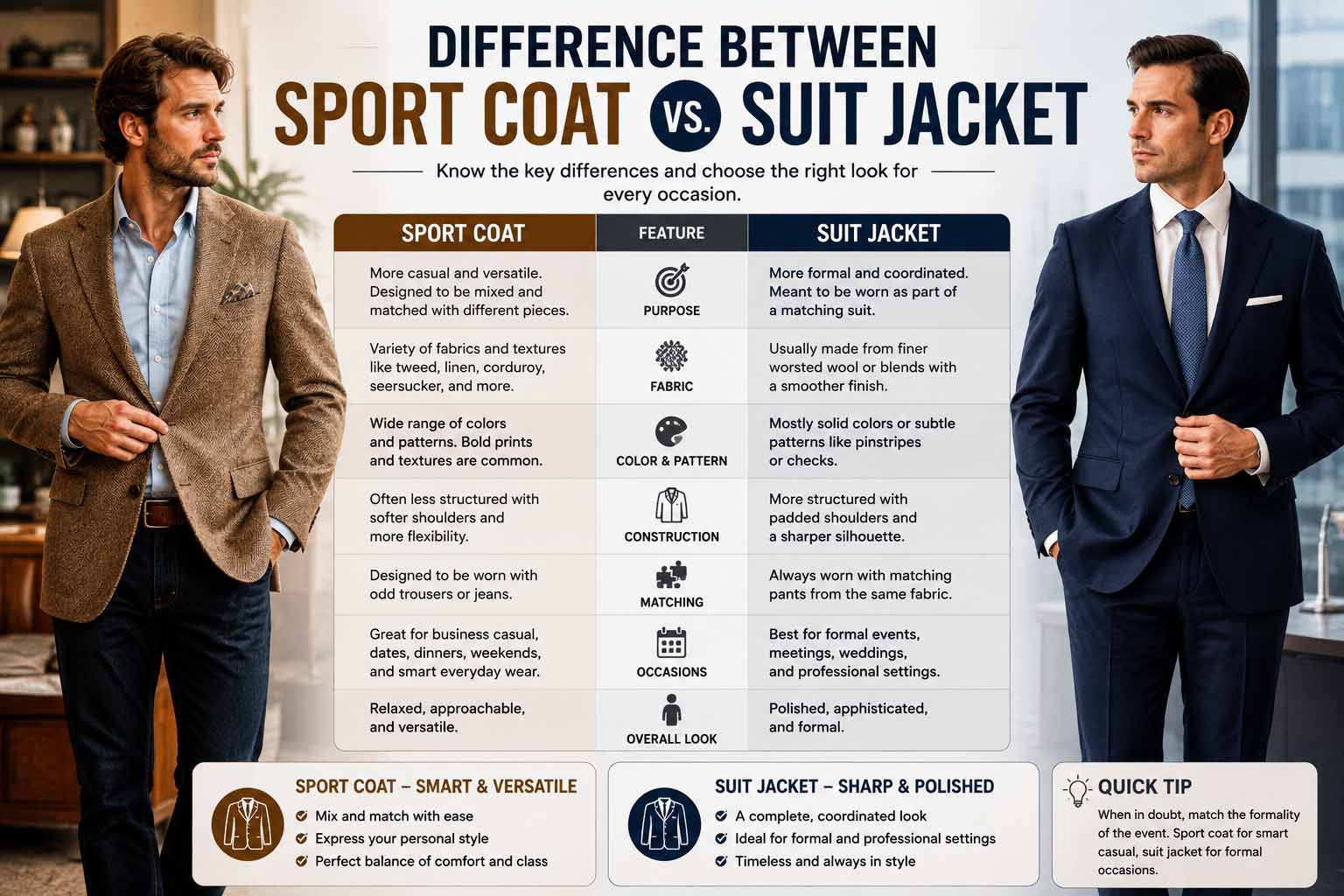
Additionally, understanding the difference between blazer and suit jacket can help when selecting appropriate layers.
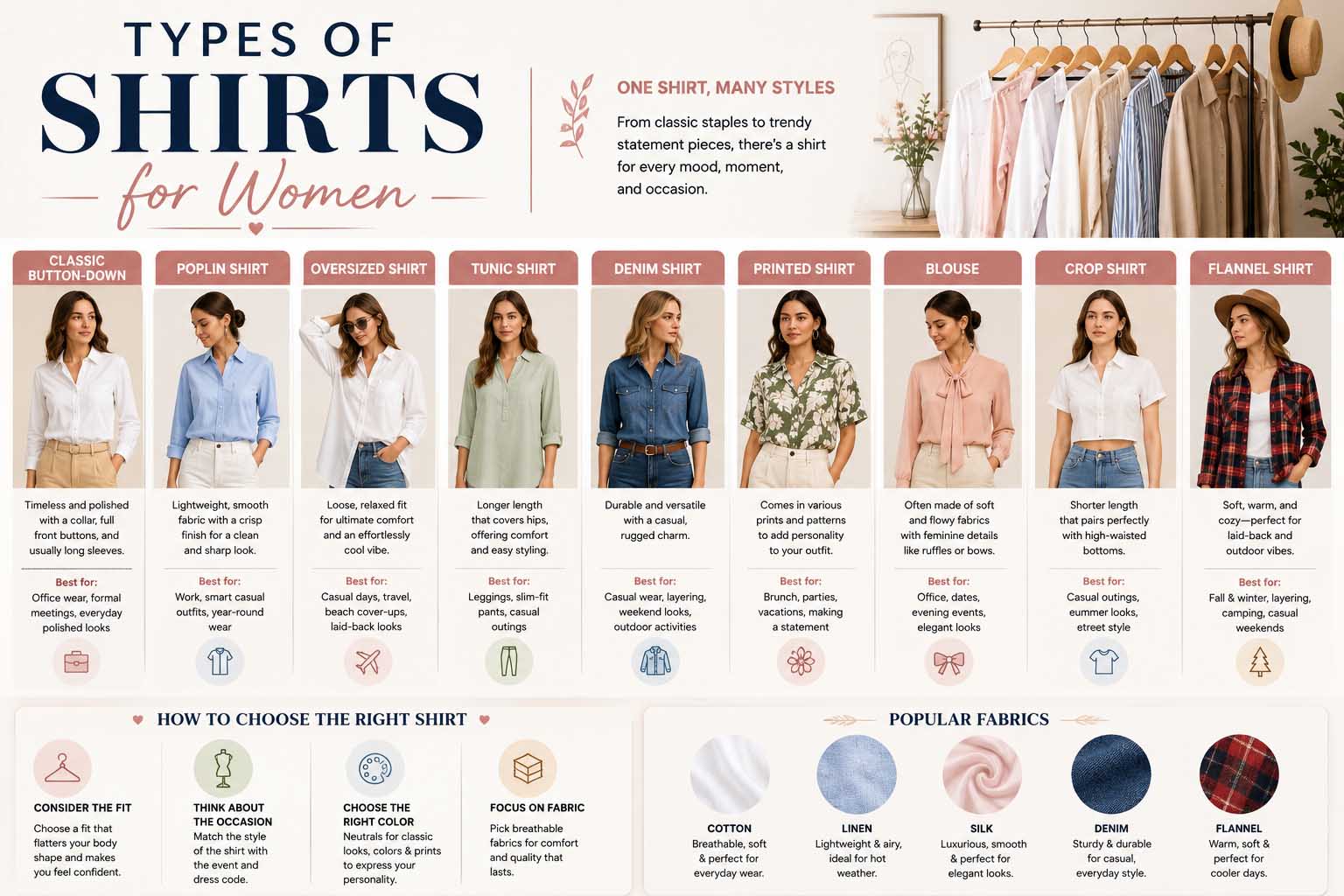
If you need a suitable shirt, reviewing different types of shirts may help you compare styles.
Above all, choose clean, wrinkle-free clothing in subdued colors.
Shoes and Grooming
Dark dress shoes are a reliable choice for traditional funerals.
However, neat loafers or other understated footwear may also suit the occasion.
Additionally, keep your overall appearance tidy.
For example, clean shoes, well-maintained clothing, and simple grooming contribute to a respectful presentation.
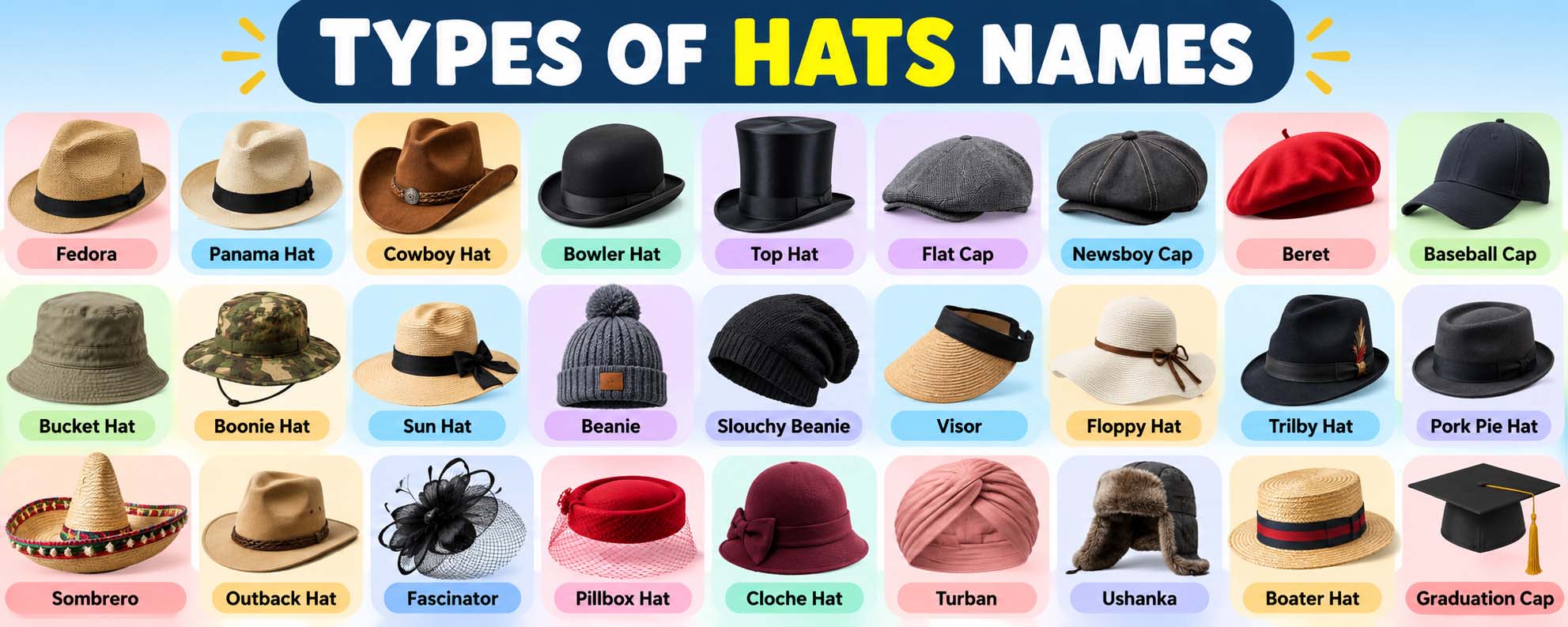
Generally, men remove ordinary fashion hats indoors, although religious and cultural head coverings may follow different customs.
Funeral Dress Codes for Different Services
Not every funeral follows the same dress code.
Therefore, consider the type of service before choosing your outfit.
Traditional Religious Ceremonies
Some religious services have specific expectations regarding modesty, colors, or head coverings.
For example, certain places of worship may encourage covered shoulders or longer garments.
Other traditions may associate mourning with colors besides black.
Consequently, guests should respect the customs of the family and religious community.
If you are unfamiliar with the expectations, ask the organizer or consult the venue’s guidance before attending.
Celebrations of Life
A celebration of life may have a less formal atmosphere than a traditional funeral.
For instance, a family might encourage guests to wear colorful clothing that reflects the deceased person’s personality.
Some families may also request a particular color or meaningful accessory.
In these situations, following the family’s wishes is more appropriate than automatically choosing black.
Nevertheless, clothing should remain neat and suitable for the venue.
Outdoor Memorial Services
Outdoor funerals require additional practical considerations.
For example, a graveside service may involve walking across grass, gravel, or uneven ground.
Therefore, choose stable shoes and comfortable clothing.
Additionally, check the weather before leaving home.
A dark coat, umbrella, or lightweight outer layer can help you remain comfortable during the ceremony.
What to Wear to a Funeral in Summer and Winter
Weather affects which clothing feels comfortable during a funeral.
However, seasonal adjustments should still reflect the event’s expected level of formality.
Summer Funeral Outfit Ideas
Summer funerals can be uncomfortable, particularly when services take place outdoors.
Therefore, choose breathable fabrics and lightweight garments.
Women might wear a modest cotton-blend dress or tailored trousers with a lightweight blouse.
Meanwhile, men can choose a lightweight dark suit or dress pants with a collared shirt.
However, avoid beachwear, extremely short clothing, and overly casual footwear unless the family has requested a relaxed dress code.
Winter Funeral Clothing
Winter funerals often require additional layers.
For example, a dark wool coat can complement a suit or dress.
Women may also choose dress boots, tights, or a conservative scarf.
Similarly, men can wear a dark overcoat over formal clothing.
Additionally, select footwear that provides sufficient grip when snow or rain makes walking difficult.
What Not to Wear to a Funeral
Understanding inappropriate funeral clothing helps prevent unnecessary discomfort.
Although expectations vary, certain styles may distract from a traditional memorial service.
Bright Colors and Distracting Patterns
Very bright colors can attract attention during a solemn ceremony.
For example, neon clothing and large, colorful prints may seem out of place at a traditional funeral.
However, this guidance changes when the family requests bright colors.
Therefore, follow the invitation rather than assuming every funeral requires black clothing.
Overly Casual Outfits
Traditional funerals generally call for more formal clothing than everyday activities.
Consequently, consider avoiding:
- Ripped jeans
- Graphic T-shirts
- Athletic shorts
- Beach sandals
- Flip-flops
- Gym clothing
- Clothing with offensive slogans
- Excessively distressed garments
Nevertheless, attending in clean, modest clothing is better than missing a service because you cannot afford formal attire.
Respectful behavior matters more than expensive clothing.
Revealing or Uncomfortable Clothing
Clothing that requires frequent adjustment can become distracting.
Therefore, avoid garments that feel excessively tight, restrictive, or unsuitable for the setting.
Additionally, consider whether you can comfortably sit, stand, and walk in your chosen outfit.
A simple, well-fitting outfit is usually more practical than an elaborate one.
Excessive Accessories and Strong Fragrances
Large accessories and distracting jewelry may not suit a traditional funeral.
Instead, choose understated pieces that complement your clothing.
Additionally, avoid strong perfume or cologne when possible.
Some guests may have fragrance sensitivities, especially in enclosed spaces.
What to Wear to a Funeral for Children
Children do not need expensive formal outfits to attend a funeral.
Instead, parents can choose clean, comfortable, and modest clothing.
For example, a child might wear dark trousers with a collared shirt or a simple dress with comfortable shoes.
However, younger children may need more flexibility because they can become uncomfortable during long services.
Therefore, prioritize clothing that allows them to move safely and remain comfortable.
Additionally, parents can explain the purpose of the ceremony in an age-appropriate way.
How to Choose Appropriate Funeral Attire
Choosing funeral clothing becomes easier when you focus on a few practical considerations.
Follow the Family’s Wishes
First, check whether the invitation includes clothing instructions.
For example, the family may request traditional black attire, a particular color, or casual clothing.
If the instructions differ from common funeral customs, respect the family’s preferences.
Consider the Venue
Next, think about where the service will take place.
A formal religious ceremony may require more conservative clothing than an outdoor memorial gathering.
Additionally, the venue can influence your footwear and outerwear choices.
Prioritize Comfort and Simplicity
Finally, choose clothing that allows you to focus on the ceremony.
Avoid outfits that require constant adjustment or make walking difficult.
The Emily Post Institute’s funeral etiquette guidance emphasizes consideration for the grieving family and respectful behavior during funeral services.
Therefore, your appearance should support the occasion rather than become its focus.
Funeral Clothing: Frequently Asked Questions
Do You Have to Wear Black to a Funeral?
No. Black is traditional in many Western funeral settings, but navy, gray, and other muted colors can also be appropriate. However, always follow the family’s specific instructions.
Can Women Wear Pants to a Funeral?
Yes. Tailored trousers and pantsuits are generally suitable for traditional funerals. In fact, they can provide a comfortable alternative to dresses and skirts.
Can Men Attend a Funeral Without a Suit?
Yes. Men can often wear dark dress pants with a collared shirt and blazer. Nevertheless, more formal clothing may be appropriate when the family requests it.
Can You Wear Jeans to a Funeral?
Dark, clean jeans may be acceptable at some informal memorial services. However, dress pants are generally a safer choice for traditional funerals.
What Shoes Should You Wear to a Funeral?
Choose clean, understated, and comfortable shoes. For example, flats, loafers, low heels, and dress shoes work well for many services.
What If You Do Not Own Formal Funeral Clothes?
You do not need to purchase an expensive outfit. Instead, choose the neatest and most modest clothing available to you. Attending respectfully and supporting the family are more important than wearing costly garments.
Conclusion: Dressing Respectfully for a Funeral
Understanding what to wear to a funeral helps you choose clothing that reflects consideration, dignity, and respect.
For traditional services, dark colors, modest designs, and comfortable shoes are usually appropriate. However, religious customs, cultural traditions, and family preferences may influence the dress code.
Women can choose dresses, skirts, tailored trousers, or pantsuits. Meanwhile, men can wear dark suits, blazers, or dress pants with conservative shirts.
Ultimately, the most important consideration is not the price or style of your clothing. Instead, focus on honoring the deceased, supporting the grieving family, and participating respectfully in the occasion.