
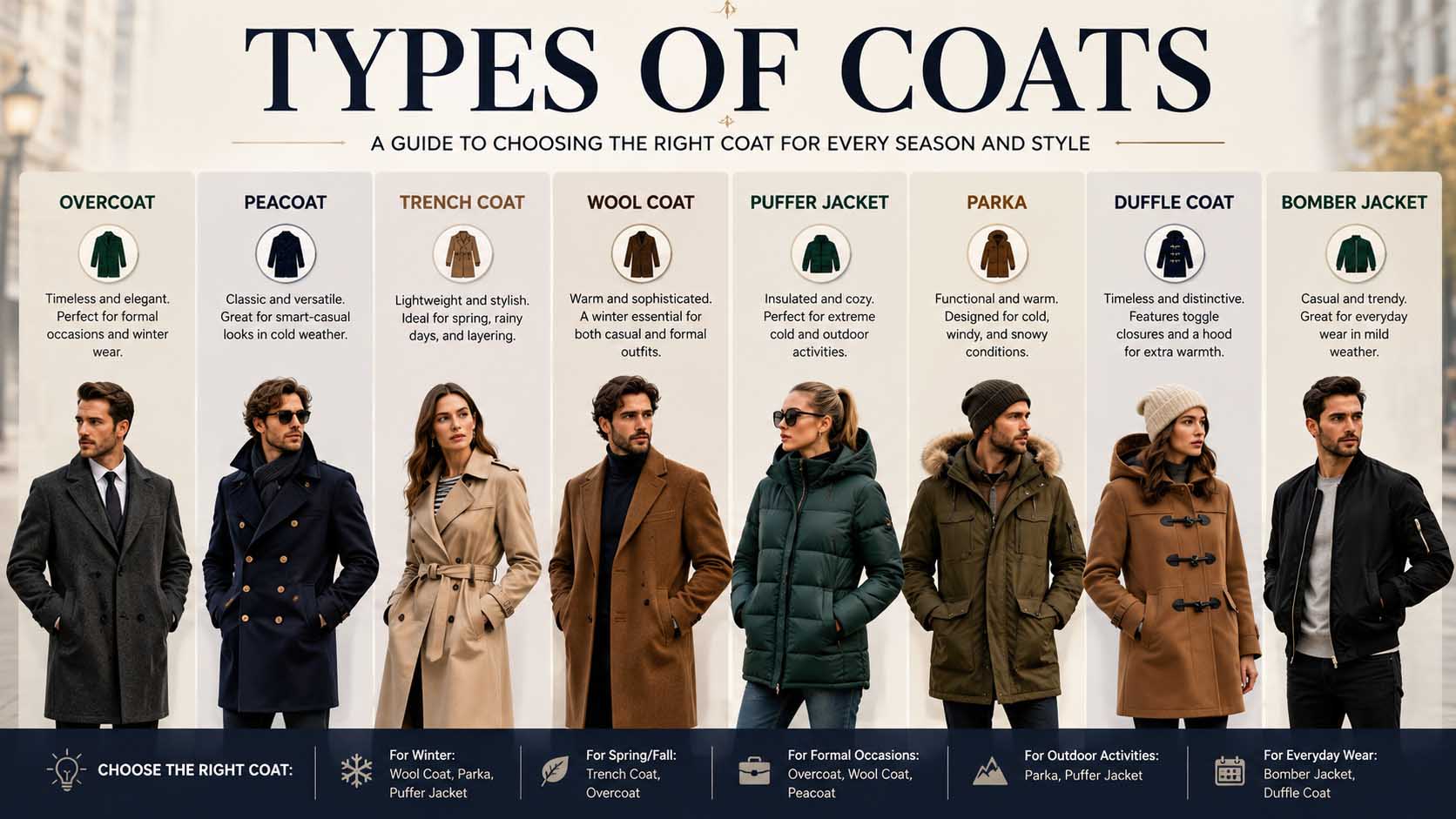
Types of Coats: A Complete Guide to Choosing the Right Style
Shopping for the right types of coats can feel overwhelming because there are so many styles available. From lightweight trench coats to insulated parkas, each design serves a different purpose. Understanding the differences helps you buy a coat that fits your climate, wardrobe, and daily routine rather than simply following trends.
A quality coat is often one of the most frequently worn pieces in a wardrobe. Whether you’re dressing for work, traveling during winter, or looking for an elegant evening layer, choosing the right coat improves both comfort and style.
This guide explores the most popular coat styles, explains when each one works best, and offers practical shopping advice to help you make an informed decision.
Why Understanding Different Types of Coats Matters
Not every coat is designed for the same weather or occasion.
Some prioritize warmth, while others focus on water resistance, lightweight comfort, or a polished appearance.
Before shopping, think about:
- Your local climate
- Daily activities
- Dress code
- Preferred materials
- Storage space
- Budget
Buying with these factors in mind makes it easier to choose a coat you’ll wear regularly.
Different Types of Coats for Everyday Wear
Many shoppers only own one coat, but different situations often call for different outerwear.
If you’re building a versatile wardrobe, it’s also helpful to understand types of shirts, since the layers underneath affect both comfort and how a coat fits.
Trench Coat
The trench coat is one of the most recognizable outerwear styles.
Originally designed for military use, it’s now considered a timeless wardrobe staple.
Common features include:
- Double-breasted front
- Belted waist
- Water-resistant fabric
- Mid-length design
Best For
- Spring
- Fall
- Business casual outfits
- Rainy weather
Trench coats pair easily with both formal and casual clothing.
Wool Overcoat
A wool overcoat offers warmth while maintaining a refined appearance.
These coats are often worn over:
- Suits
- Sweaters
- Business attire
- Smart casual outfits
Natural wool provides excellent insulation while remaining breathable.
For professional wardrobes, a wool overcoat is often one of the most versatile long-term investments.
Pea Coat
The pea coat originated as naval outerwear.
Typical characteristics include:
- Heavy wool fabric
- Double-breasted buttons
- Wide lapels
- Hip-length cut
Pea coats work well during cool autumn and winter weather.
Parka
Parkas are designed for cold climates.
Many include:
- Insulated lining
- Hood
- Wind-resistant shell
- Longer length
Some winter parkas also feature faux fur trim around the hood for additional protection from wind.
This style is ideal for freezing temperatures rather than mild weather.
Puffer Coat
Puffer coats use quilted sections filled with either natural down or synthetic insulation.
Advantages include:
- Excellent warmth
- Lightweight feel
- Comfortable fit
- Easy layering
Modern puffer coats are available in both cropped and full-length versions.
Raincoat
Raincoats prioritize waterproof protection instead of insulation.
Most are made from:
- Polyester
- Nylon
- Waterproof membranes
- Treated cotton blends
A lightweight raincoat is useful throughout the year, especially in regions with frequent rainfall.
Duffle Coat
The duffle coat combines warmth with a casual appearance.
Its most recognizable feature is the toggle fastening instead of traditional buttons.
This style works well for:
- Everyday winter wear
- College-inspired outfits
- Weekend activities
Car Coat
Car coats sit between hip and mid-thigh length.
Originally designed for driving, they remain popular because they provide warmth without restricting movement.
They’re especially suitable for:
- Daily commuting
- Business casual clothing
- Mild winter conditions
Faux Fur Coat
Faux fur coats create a luxurious appearance without using animal fur.
Modern synthetic materials have become softer and more realistic, making this style increasingly popular.
They are commonly chosen for:
- Evening events
- Fashion-forward outfits
- Cold weather layering
Types of Coats Comparison
| Coat Type | Warmth | Weather | Style |
|---|---|---|---|
| Trench Coat | Medium | Rain, spring, fall | Classic |
| Wool Overcoat | High | Winter | Formal |
| Pea Coat | High | Cool weather | Smart casual |
| Parka | Very High | Snow and freezing temperatures | Casual |
| Puffer Coat | Very High | Cold weather | Casual |
| Raincoat | Low | Wet weather | Functional |
| Duffle Coat | High | Winter | Casual |
| Car Coat | Medium | Cool weather | Business casual |
| Faux Fur Coat | High | Winter | Fashion |
This comparison helps narrow your options before shopping.
Types of Coats for Men
The most popular types of coats for men combine practicality with timeless design.
Common choices include:
- Wool overcoats
- Trench coats
- Parkas
- Car coats
- Pea coats
- Puffer coats
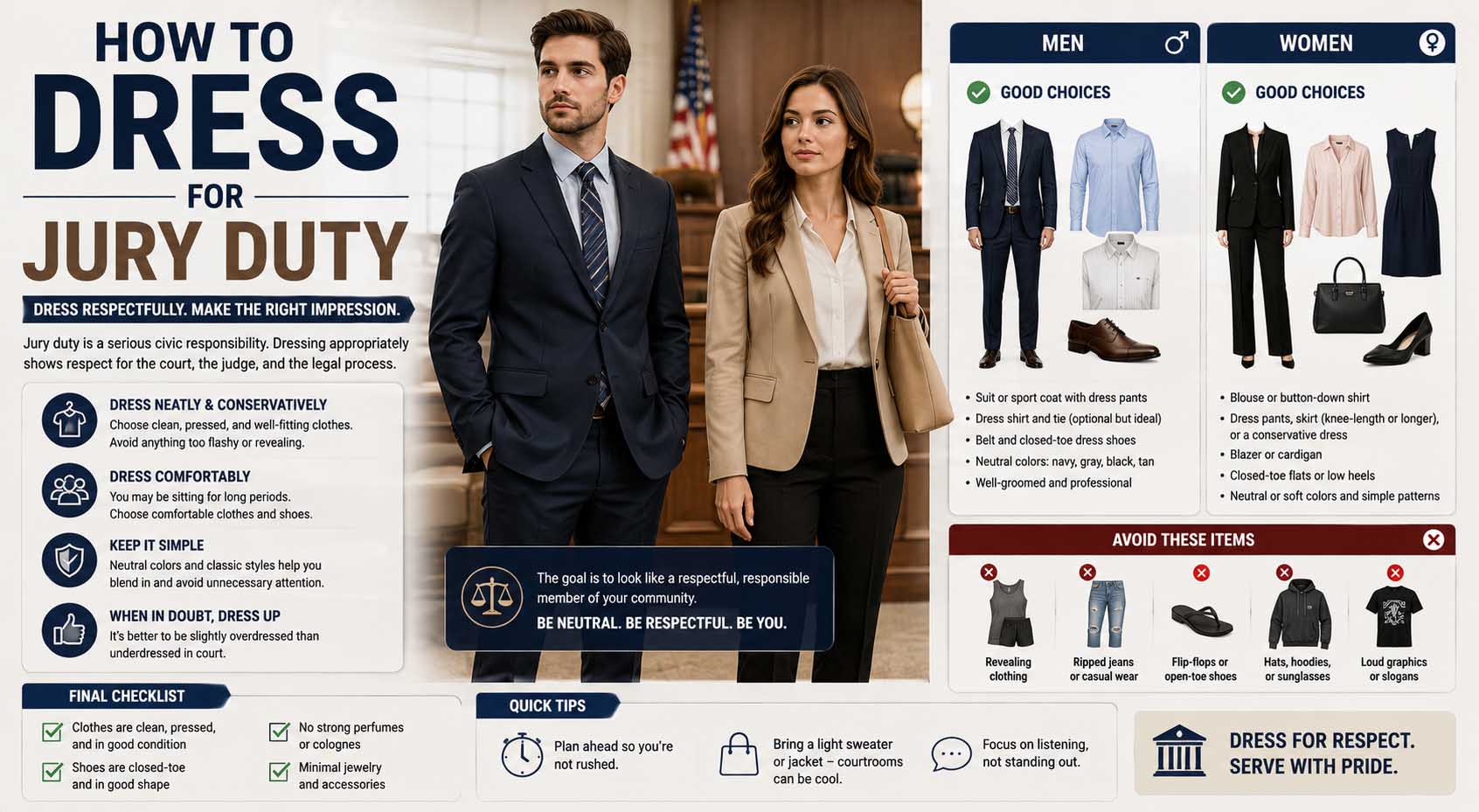
For professional settings, it’s useful to understand the difference between sport coat and blazer, since outerwear is often layered over tailored clothing. Choosing compatible styles creates a more balanced overall look.
Neutral colors such as black, navy, gray, camel, and olive remain the easiest to pair with existing wardrobes.
Choosing the Right Coat Material
Material affects warmth, durability, maintenance, and price.
Wool
Ideal for cold weather.
Benefits include:
- Natural insulation
- Breathability
- Long lifespan
Cotton
Cotton works best for lighter coats, including many trench coats and casual jackets.
It feels comfortable while allowing good airflow.
Polyester
Polyester appears in many modern coats because it:
- Resists wrinkles
- Dries quickly
- Adds durability
- Helps reduce overall weight
Down Insulation
Natural down provides excellent warmth with very little weight.
It’s commonly used in premium puffer coats.
Synthetic Insulation
Synthetic insulation performs well even in damp conditions.
Many shoppers choose it because it requires less maintenance than natural down.
Finding the Right Fit
A coat should fit comfortably over your regular clothing.
When trying one on, make sure you can:
- Raise your arms easily.
- Button or zip it without strain.
- Wear a sweater underneath if needed.
- Sit comfortably while wearing it.
A well-fitting coat looks better and performs more effectively during colder weather.
Matching Your Coat With the Rest of Your Wardrobe
The best coat doesn’t work in isolation—it should complement the clothing you already own.
For example, pairing outerwear with the right types of shirts for women can help create outfits that feel polished while allowing comfortable layering throughout changing seasons.
Footwear matters just as much. Heavy winter coats often pair naturally with boots, while lightweight trench coats look equally good with loafers or sneakers. Understanding different types of footwear makes it easier to create balanced outfits for both casual and formal occasions.
Types of Fur Coats
When shoppers search for types of fur coats, they may be looking for either genuine fur or modern faux fur alternatives. Both offer warmth, but they differ in cost, care requirements, and personal preferences.
Faux Fur Coats
Faux fur has become increasingly popular because it provides a similar look without using animal fur.
Benefits include:
- Wide variety of colors and textures
- Easier maintenance
- Lower price than many genuine fur options
- Suitable for everyday fashion
Genuine Fur Coats
Traditional fur coats are made from natural pelts and are often considered luxury garments.
Potential advantages include:
- Excellent insulation
- Long lifespan with proper care
- Classic appearance
However, they usually require specialized storage and professional cleaning. Many shoppers also consider ethical and sustainability factors before purchasing.
Seasonal Buying Guide
Different coat styles perform better during different times of the year.
Spring
Look for lightweight options such as:
- Trench coats
- Cotton coats
- Light raincoats
These provide protection from cool mornings and occasional showers without causing overheating.
Summer
Most climates don’t require heavy coats, although a lightweight raincoat or packable jacket can be useful for travel or unpredictable weather.
Autumn
Layering becomes more important.
Popular choices include:
- Pea coats
- Car coats
- Wool blend coats
- Lightweight puffers
Winter
Cold weather calls for greater insulation.
Common winter options include:
- Parkas
- Down puffer coats
- Heavy wool overcoats
- Faux fur coats
Matching the coat to your local climate is more practical than buying based solely on appearance.
How to Choose the Best Coat for Your Lifestyle
The best coat depends on how and where you’ll wear it.
For Daily Commuting
Choose styles that balance warmth and versatility.
Good options include:
- Wool overcoats
- Car coats
- Lightweight parkas
For Travel
Travel-friendly coats should be:
- Lightweight
- Easy to pack
- Wrinkle resistant
- Comfortable for long periods
Many quilted or packable puffer jackets meet these requirements.
For Professional Wear
Structured coats pair well with office clothing.
If you regularly wear tailored outfits, understanding the difference between blazer and suit jacket can also help you choose an outer layer that complements business attire without creating bulky or mismatched proportions.
For Outdoor Activities
Look for practical features such as:
- Waterproof shells
- Adjustable hoods
- Wind-resistant fabrics
- Secure pockets
Function often matters more than appearance in these situations.
Price Range
Coat prices vary depending on the material, brand, craftsmanship, insulation, and retailer.
| Coat Type | Typical Price Range* |
|---|---|
| Raincoat | $40–$150 |
| Trench Coat | $70–$300 |
| Pea Coat | $80–$350 |
| Wool Overcoat | $120–$600+ |
| Puffer Coat | $60–$400+ |
| Parka | $100–$700+ |
| Faux Fur Coat | $70–$300 |
*Prices vary by brand, retailer, location, and season.
Instead of focusing only on price, consider cost per wear. A high-quality coat that lasts many winters may provide better long-term value than a cheaper option that needs frequent replacement.
Coat Care and Maintenance
Proper care extends the life of your coat and keeps it looking its best.
Wool Coats
- Brush away surface dirt regularly.
- Hang on a wide, sturdy hanger.
- Dry clean when necessary.
Down Jackets
- Wash according to the care label.
- Use a gentle detergent designed for down if recommended.
- Dry thoroughly to restore loft.
Raincoats
- Wipe away dirt after use.
- Reapply water-repellent treatment if performance begins to decline.
- Store completely dry.
Faux Fur
- Avoid excessive heat.
- Brush gently to maintain texture.
- Follow the garment’s cleaning instructions.
Taking a few minutes to care for your coat each season can help preserve its appearance for years.
Common Shopping Mistakes
Avoiding these mistakes can make your purchase more satisfying.
Buying Only for Extreme Weather
Some shoppers purchase a heavy winter coat but overlook lighter options for spring and autumn.
If your climate changes throughout the year, owning two versatile coats may be more practical than relying on one.
Ignoring Layering Space
Always consider what you’ll wear underneath.
A coat that fits perfectly over a T-shirt may feel restrictive over a sweater or blazer.
Choosing Fashion Over Function
A stylish coat won’t be comfortable if it isn’t suited to your weather conditions.
Warmth, water resistance, and mobility should remain priorities.
Forgetting Maintenance Requirements
Premium materials sometimes require more care.
Before purchasing, check whether the cleaning process fits your budget and lifestyle.
Frequently Asked Questions
What is the most versatile type of coat?
A trench coat and a wool overcoat are among the most versatile choices because they work with both casual and dressier outfits.
Which coat is warmest?
Parkas and insulated down puffer coats are generally the warmest options for cold winter climates.
Should a coat be fitted or loose?
A coat should allow comfortable movement while leaving enough room for layering. It shouldn’t feel tight across the shoulders or chest.
Are wool coats waterproof?
No. Wool naturally resists light moisture, but it isn’t fully waterproof. For heavy rain, a dedicated raincoat is a better choice.
How many coats should I own?
Many people benefit from having at least two or three coats, such as a lightweight option for mild weather, a waterproof coat for rain, and a warm insulated coat for winter.
Making a Smart Purchase
With so many types of coats available, the right choice comes down to your climate, lifestyle, and wardrobe. A classic trench coat works well for transitional weather, a wool overcoat offers timeless sophistication, while a parka or puffer provides dependable warmth during winter.
Before you buy, think about where you’ll wear your coat most often, how much layering you’ll need, and which materials fit your maintenance preferences. A well-chosen coat isn’t just a seasonal purchase—it’s a long-term wardrobe essential that can keep you comfortable, look stylish, and serve you well for many years.