
How to Dress Business Casual: A Practical Guide for Work
Figuring out how to dress business casual can be confusing because workplaces rarely follow one universal dress code. A blazer and trousers might look perfect in a corporate office, while clean chinos and a polo could be completely appropriate at a technology company. Still, the basic idea remains simple: look professional without dressing as formally as you would in a traditional business suit.
For most shoppers, building a business casual wardrobe doesn’t require buying dozens of new pieces. Instead, choose versatile clothing that fits well, coordinates easily, and suits your workplace. With a few dependable shirts, trousers, shoes, and layering pieces, you can create many professional outfits without overspending.
What Does Business Casual Actually Mean?
Therefore, you can usually leave the full matching suit and tie at home while still looking polished enough for meetings, presentations, and normal office work.
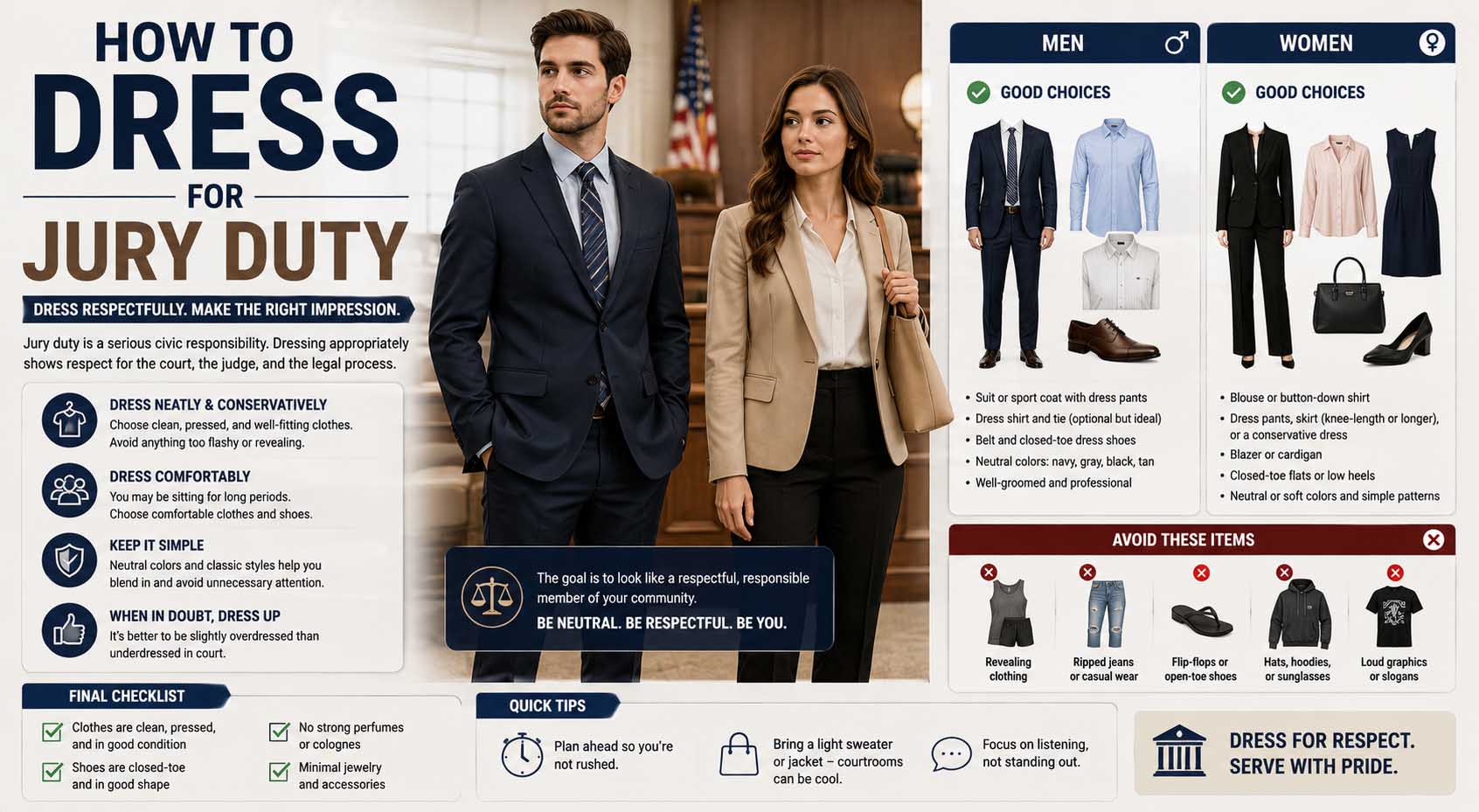
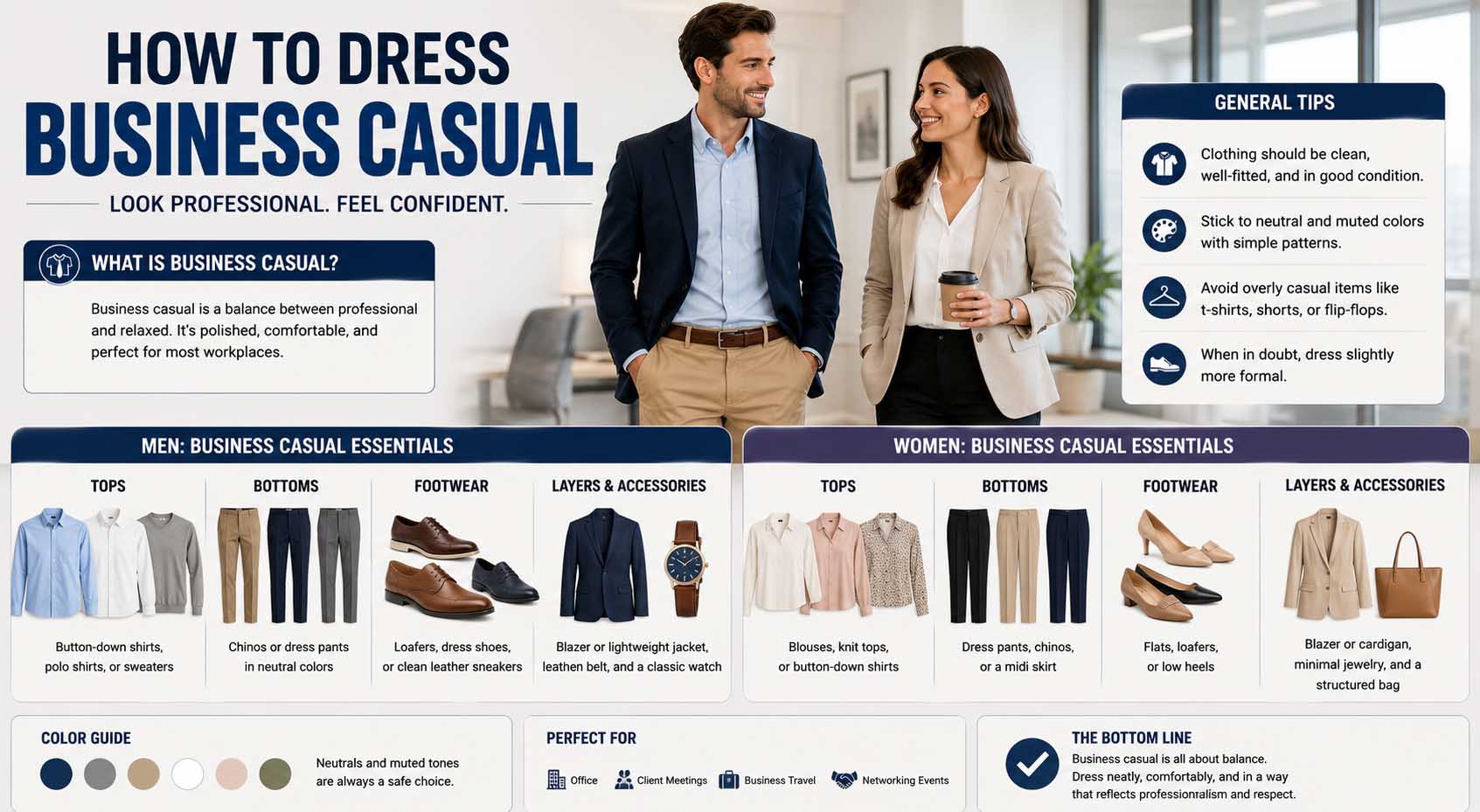
Typical business casual clothing includes button-down shirts, blouses, polos, sweaters, chinos, tailored trousers, skirts, dresses, loafers, flats, and understated boots. Depending on the workplace, a blazer can make the outfit slightly more professional.
However, business casual doesn’t simply mean wearing casual clothes to work. Graphic T-shirts, distressed jeans, flip-flops, gym wear, and overly relaxed pieces generally sit outside the traditional business casual category.
Before buying anything, observe what managers and experienced coworkers wear. Since workplace standards vary, their clothing can give you a much better benchmark than a generic dress-code definition.
How to Dress Business Casual Without Buying a Whole New Wardrobe
Start by checking what you already own. You may already have neutral trousers, button-down shirts, sweaters, or shoes that work perfectly well.
Next, identify the missing pieces that would make those clothes easier to combine. For example, someone who owns several shirts and trousers may only need a versatile blazer and better office shoes.
If you’re unsure about individual tops, learning about different types of shirts can make shopping easier because some styles transition between casual and professional outfits better than others.
A simple starter wardrobe might contain two or three professional tops, two pairs of trousers, one optional blazer or cardigan, and two pairs of suitable shoes. Because these pieces can be mixed, you can build a full workweek of outfits from a relatively small collection.
Neutral shades such as navy, charcoal, beige, white, black, brown, and light blue also simplify coordination. Then, if you enjoy color, add it through shirts, blouses, scarves, jewelry, or other smaller pieces.
How to Dress Business Casual Men Can Actually Wear Every Week
Anyone searching for how to dress business casual men can start with a straightforward formula: a collared shirt, tailored chinos or trousers, and clean leather or suede shoes.
Start With the Right Shirt
Oxford shirts and traditional button-downs remain reliable choices because they look professional without feeling overly formal. Meanwhile, polos can work well in more relaxed offices, especially during warmer months.
Fit matters more than the label. Ideally, shoulder seams should sit close to the natural shoulder, while the shirt should have enough room for comfortable movement without looking oversized.
Patterns can work too. However, subtle stripes, checks, and restrained colors are usually easier to combine than loud prints.
Choose Trousers That Look Structured
Chinos are one of the most practical business casual purchases for men. They feel less formal than suit trousers but considerably more polished than most jeans.
Navy, charcoal, tan, and olive are especially versatile. Likewise, wool or wool-blend trousers work well when the office leans toward the formal side of business casual.
Jeans depend heavily on company culture. If they’re accepted, dark, clean denim without fading or distressing usually looks more professional.
Add a Blazer When the Occasion Calls for It
A blazer can quickly sharpen a simple shirt-and-chino combination. However, you don’t necessarily need to wear one every day.
Before shopping, understanding the difference between blazer and suit jacket helps because a standalone blazer generally offers more flexibility than wearing a suit jacket separately from its matching trousers.
For maximum versatility, consider navy, charcoal, or another neutral shade. These colors work with many shirts and trousers, which means you’ll get more outfits from one purchase.
How to Dress Business Casual Women Without Sacrificing Personal Style
People researching how to dress business casual women often encounter much broader choices. Blouses, tailored pants, skirts, dresses, sweaters, cardigans, and blazers can all work, so the goal is creating balance rather than following one exact uniform.
A blouse paired with straight-leg trousers creates an easy foundation. Alternatively, a knee-length or midi skirt with a polished top can work well in many workplaces. Simple dresses are another useful option because they require fewer pieces to coordinate.
For a broader look at outfit combinations, business casual women styles can help explain how different professional pieces work together across seasons and office environments.
Prioritize Fit and Comfort
Therefore, don’t buy an item merely because it looks professional while you’re standing in a fitting room.
Check trousers while sitting, raise your arms when trying on tops, and walk around in shoes before deciding. Likewise, make sure skirts and dresses remain comfortable when sitting.
Because brand sizing can differ considerably, use the retailer’s measurements instead of relying only on labels such as small, medium, or large.
Keep Patterns and Accessories Balanced
Business casual doesn’t require a wardrobe without personality. Prints, color, jewelry, belts, and scarves can all make an outfit feel more individual.
Still, one statement element often works better than several competing pieces. For example, a patterned blouse can pair with simple trousers and understated shoes.
Shoes Can Change the Entire Outfit
Footwear often determines whether an outfit feels polished or overly casual. Therefore, shoes deserve almost as much attention as trousers and shirts.
Loafers, derbies, oxfords, flats, low heels, ankle boots, and other clean, structured styles are common choices. If your workplace allows sneakers, choose minimal designs that are clean and in good condition.
Since office footwear varies widely, comparing types of footwear can help you decide which designs offer the right balance between comfort, professionalism, weather resistance, and versatility.
Comfort should remain part of the buying decision. If you commute on foot or stand frequently, consider cushioning, toe room, heel height, sole flexibility, and traction rather than choosing shoes based only on appearance.
Business Casual Blazer vs Sport Coat: Which Should You Buy?
Both can work, although they create slightly different looks.
A blazer generally has a cleaner, more structured appearance. As a result, it can be useful for presentations, client meetings, interviews, or workplaces with a slightly more formal dress code.
A sport coat often uses more texture or visible patterns, so it can feel a little more relaxed. If you’re deciding between them, understanding the difference between sport coat and blazer can help you choose a jacket that matches the rest of your wardrobe.
For someone buying only one jacket, a neutral blazer is often easier to coordinate. However, shoppers who already own plenty of professional basics may appreciate the extra texture and variety of a sport coat.
How to Dress for Business Casual Across Different Workplaces
The safest outfit depends partly on your industry.
In traditional corporate environments, choose tailored trousers, button-down shirts or blouses, conservative dresses, loafers, and structured jackets. Meanwhile, creative and technology workplaces may allow polos, knitwear, dark jeans, clean sneakers, and more expressive colors.
When starting a new job, dress slightly more professionally during your first few days. Then, once you understand the workplace culture, you can adjust.
This approach also prevents unnecessary shopping. Rather than buying an entirely new wardrobe before your first day, purchase a few safe basics and learn what people actually wear.
Materials Worth Looking for When Shopping
Fabric affects appearance, comfort, durability, and maintenance.
Cotton works particularly well for shirts, polos, chinos, and warm-weather pieces because it feels comfortable and is widely available. However, pure cotton can wrinkle, so blends may require less maintenance.
Wool and wool blends work well for trousers and jackets because they drape neatly. Meanwhile, linen feels breathable in warm weather, although its natural wrinkling can make it better suited to relaxed offices.
Synthetic blends such as polyester, rayon, nylon, and elastane can improve wrinkle resistance, stretch, or durability. Still, quality varies, so examine the garment rather than judging it solely by the fiber name.
Also check care labels before buying. A bargain jacket becomes less appealing if frequent dry cleaning makes it expensive to maintain.
Business Casual Shopping Checklist
Instead of purchasing random office clothing, use a simple checklist:
- Choose colors that coordinate with pieces you already own.
- Check fit while standing, sitting, and walking.
- Look at fabric quality and care instructions.
- Prioritize versatile items you can wear multiple ways.
- Make sure shoes remain comfortable for your normal workday.
- Check whether jackets work with at least two or three existing outfits.
- Avoid buying trendy pieces unless they fill a real wardrobe gap.
- Review the return policy when ordering unfamiliar brands online.
This approach helps you spend money on useful pieces rather than building a closet full of items that rarely get worn.
Common Business Casual Shopping Mistakes
One frequent mistake is buying clothing that’s too formal. If everyone else wears chinos and sweaters, several expensive suits may provide little practical value.
The opposite problem happens too. Casual Friday doesn’t necessarily mean anything goes. Therefore, check workplace expectations before buying ripped denim, athletic sneakers, hoodies, or other relaxed clothing specifically for work.
Another mistake is focusing on brand names instead of fit. An inexpensive shirt that fits properly can look more polished than an expensive designer shirt with poor proportions.
Likewise, don’t ignore maintenance. If you dislike ironing, wrinkle-resistant shirts may suit you better. If your commute involves rain, delicate suede shoes might not be your best everyday option.
Finally, avoid buying five versions of the same outfit. A small wardrobe becomes far more useful when its pieces can create different combinations.
How to Dress Business Casual Male on a Budget
Someone searching for how to dress business casual male doesn’t need premium labels to look workplace-ready. Instead, spend strategically.
Start with trousers and shoes because you’ll probably wear them repeatedly. Next, add shirts that coordinate with several bottoms. Finally, buy a blazer if your workplace or responsibilities make one useful.
Seasonal sales and outlet stores can offer good value, although prices vary by brand, retailer, location, and time. Therefore, compare the actual fabric, construction, fit, and return policy rather than buying simply because an item has a large discount.
You can also consider secondhand blazers, coats, and higher-quality trousers. However, inspect seams, cuffs, linings, zippers, stains, and signs of excessive wear before purchasing.
FAQs About Business Casual Clothing
Can you wear jeans for business casual?
Sometimes. Dark, clean jeans without holes or heavy distressing may be acceptable in relaxed workplaces. However, traditional offices may expect chinos, tailored pants, skirts, or dresses instead.
Do men need a tie for business casual?
Usually not. A button-down shirt without a tie is a standard business casual combination. Still, workplace expectations and specific events can change the level of formality.
Are sneakers business casual?
Minimal, clean sneakers may work in modern or relaxed workplaces. However, athletic running shoes and heavily worn sneakers usually look more casual. When uncertain, loafers, flats, derbies, or similar structured shoes are safer.
Does business casual require a blazer?
No. A blazer is useful when you want to make an outfit more polished, but many business casual outfits work without one.
How many business casual outfits do I need?
You don’t necessarily need five completely separate outfits. Instead, a capsule-style collection of interchangeable tops, bottoms, shoes, and layers can cover an entire workweek.
What is the easiest way to learn how to dress for business casual?
Start with clean, well-fitting basics in coordinating colors. Then, pay attention to what respected coworkers and managers wear. Once you understand your workplace standard, you can gradually add pieces that match both the dress code and your personal style.
Build a Work Wardrobe You Will Actually Wear
Learning how to dress business casual becomes much easier once you stop treating it as a rigid uniform. The best wardrobe matches your workplace, daily routine, climate, comfort needs, and budget.
Begin with versatile shirts or blouses, well-fitting trousers, dependable shoes, and an optional jacket. Then, add colors, textures, accessories, dresses, skirts, or seasonal layers as you discover what you actually wear.
Above all, shop slowly. A smaller collection of comfortable pieces that coordinate well will usually serve you better than a large wardrobe bought all at once.