
Types of Sandals: A Complete Guide to Every Style
Shopping for sandals sounds simple until you realize how many options are available. From casual slides to elegant dress sandals, today’s footwear comes in dozens of designs suited for different occasions, outfits, and comfort needs. Understanding the various types of sandals makes it much easier to choose a pair you’ll actually enjoy wearing.
Whether you’re planning a beach vacation, updating your summer wardrobe, or looking for everyday footwear, this guide explains the most popular sandal styles, the materials they’re made from, and what to consider before buying.
Why Choosing the Right Sandals Matters
Sandals aren’t just about appearance. The right pair should also provide comfort, support, and durability.
When comparing sandals, think about:
- Where you’ll wear them
- How long you’ll wear them
- The level of support you need
- Weather conditions
- Your personal style
Buying sandals for the right purpose helps prevent discomfort and extends the life of your footwear.
Types of Sandals by Style
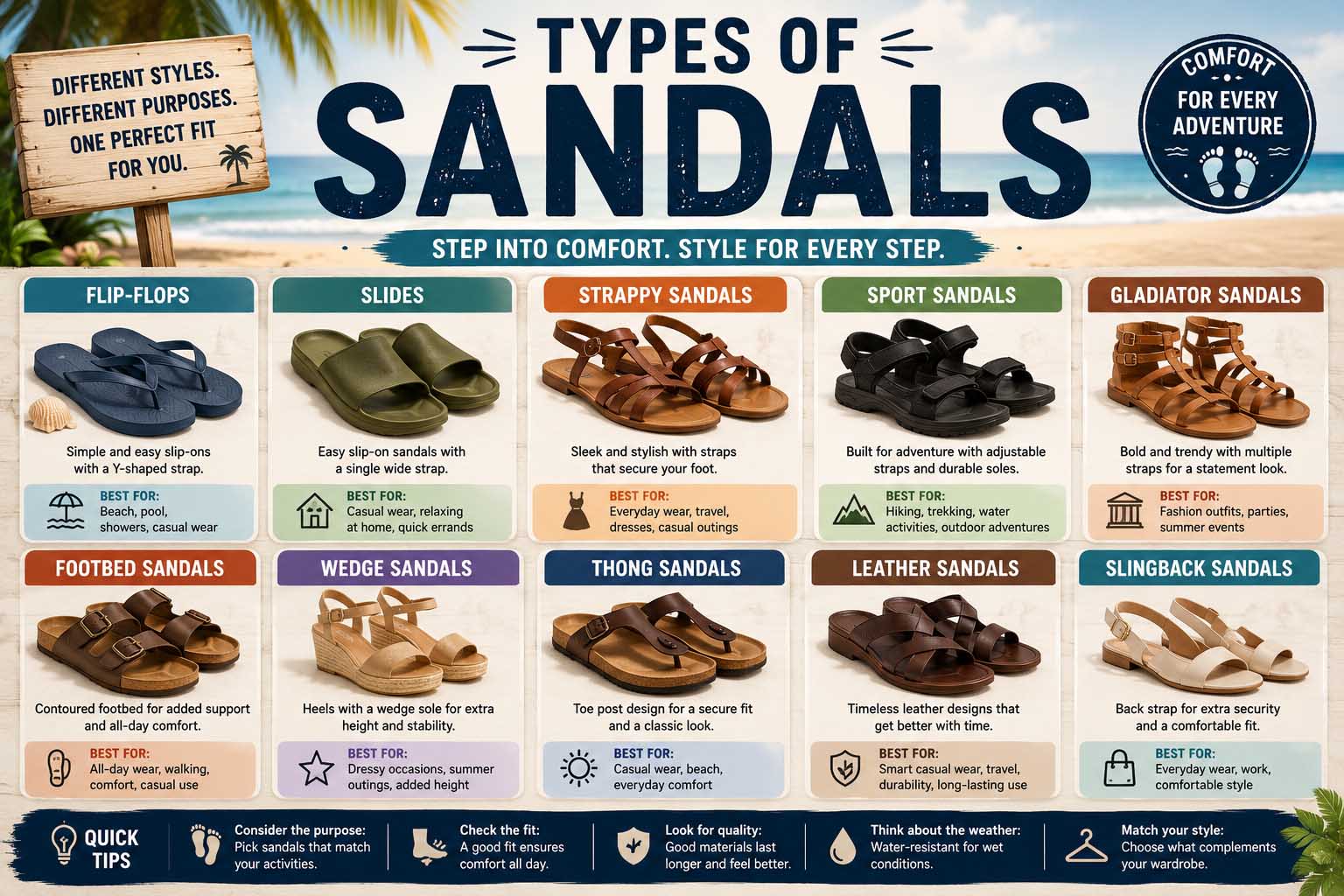
There are many different types of sandals, each designed with a specific purpose in mind.
Flip-Flops
Flip-flops are among the simplest sandal styles.
Features include:
- Open-toe design
- Thin sole
- Toe post
- Lightweight construction
They’re ideal for:
- Beaches
- Pools
- Quick errands
- Casual summer wear
While convenient, they’re not usually the best choice for long walks due to limited arch support.
Slide Sandals
Slides feature one or more straps across the foot without a heel strap.
Benefits include:
- Easy to put on
- Comfortable for casual wear
- Available in sporty and fashion styles
Many people wear slides at home, around town, or while traveling.
Gladiator Sandals
Inspired by ancient Roman footwear, gladiator sandals feature multiple straps extending across the foot and sometimes up the ankle or calf.
They’re popular because they add visual interest to:
- Summer dresses
- Shorts
- Skirts
- Casual outfits
If you’re styling them with different outfits, exploring types of skirts can help you find combinations that complement gladiator sandals particularly well.
Fisherman Sandals
Fisherman sandals have a partially enclosed design with woven leather or synthetic straps.
Advantages include:
- Better toe protection
- Improved stability
- Breathability
- Classic appearance
They’re suitable for both casual wear and travel.
Sport Sandals
Sport sandals prioritize function over fashion.
Common features include:
- Adjustable straps
- Cushioned footbeds
- Durable outsoles
- Water-resistant materials
These are excellent for hiking, sightseeing, or outdoor activities where comfort matters most.
Espadrille Sandals
Espadrille sandals combine traditional woven soles with modern sandal designs.
They often include:
- Canvas uppers
- Jute midsoles
- Platform options
- Wedge heels
They’re especially popular during spring and summer.
Slingback Sandals
Slingback sandals include a strap behind the heel for added security.
This design provides:
- Better stability
- Comfortable walking
- Dressier appearance than slides
Many office-friendly sandals use this design.
Types of Sandals for Women
The most popular types of sandals for women include styles for both casual and formal occasions.
Common choices include:
- Flat sandals
- Gladiator sandals
- Platform sandals
- Wedge sandals
- Heeled sandals
- Slides
- Slingbacks
- Espadrilles
- Dress sandals
Many women own several styles to match different outfits throughout the year.
If you’re building a wardrobe for work, comfortable sandals can complement outfits designed for business casual women, provided your workplace dress code allows open-toe shoes.
Types of Heels Sandals
Not all dress sandals are flat.
Popular types of heels sandals include:
Block Heel Sandals
Stable and comfortable.
Ideal for:
- Weddings
- Parties
- Office events
Kitten Heel Sandals
Offer a small lift while remaining easy to walk in.
Suitable for all-day wear.
Stiletto Sandals
Elegant but less practical for extended walking.
Often chosen for formal occasions.
Wedge Sandals
The heel extends beneath the entire foot, providing greater stability than traditional high heels.
If you’re comparing footwear styles, learning about types of heels can also help you understand how different heel shapes affect comfort and appearance.
Types of Japanese Sandals
Traditional types of Japanese sandals remain popular both culturally and as fashion inspiration.
Geta
Wooden sandals raised on two supporting blocks.
Traditionally worn with:
- Kimono
- Yukata
Zori
Flat sandals made from straw, fabric, leather, or synthetic materials.
Modern versions are often more comfortable for everyday wear.
These classic designs continue to influence contemporary sandal fashion around the world.
Choosing the Right Material
The material affects durability, comfort, and maintenance.
Leather
Pros:
- Durable
- Breathable
- Molds to your feet over time
- Classic appearance
Cons:
- Higher price
- Requires occasional conditioning
Synthetic Materials
Pros:
- Affordable
- Water-resistant
- Lightweight
- Easy to clean
Cons:
- May not breathe as well as leather
Rubber
Often used in:
- Flip-flops
- Beach sandals
- Pool shoes
Rubber performs well around water but may provide less support for extended walking.
Textile
Fabric uppers create:
- Lightweight feel
- Casual appearance
- Better breathability
They’re commonly found in espadrilles and fashion sandals.
How to Choose the Right Sandals
Shopping becomes easier when you focus on your intended use.
| Purpose | Recommended Style |
|---|---|
| Beach | Flip-flops, rubber slides |
| Walking | Sport sandals |
| Office | Slingbacks, leather flats |
| Weddings | Dress sandals, block heels |
| Vacation | Espadrilles, slides |
| Everyday wear | Flat leather sandals |
Buying sandals based on where you’ll actually wear them usually leads to greater satisfaction.
Comfort Features Worth Looking For
Comfort depends on more than soft materials.
Useful features include:
- Cushioned footbeds
- Adjustable straps
- Arch support
- Shock absorption
- Flexible soles
- Non-slip outsoles
These details become especially valuable if you’ll spend several hours on your feet.
Matching Sandals to Different Outfits
The same sandals won’t work for every occasion.
For example:
- Slides pair well with shorts and casual denim.
- Espadrilles complement linen clothing.
- Wedge sandals look great with maxi dresses.
- Flat leather sandals work with relaxed summer outfits.
- Heeled sandals elevate dressier looks.
Dress sandals are also a popular choice with wedding guest dresses, offering a balance of comfort and elegance for long celebrations.
How Much Should You Spend?
Sandals are available at nearly every price point.
General price ranges include:
| Category | Typical Price Range |
|---|---|
| Budget | $15–$40 |
| Mid-range | $40–$100 |
| Premium | $100–$250+ |
Prices vary depending on the brand, materials, craftsmanship, retailer, and seasonal promotions.
Higher prices don’t always guarantee better comfort, so focus on fit and construction as much as cost.
Common Buying Mistakes
Avoid these common shopping errors.
Choosing Appearance Over Comfort
Beautiful sandals won’t get much use if they hurt your feet.
Walk in them before purchasing whenever possible.
Ignoring Adjustable Straps
Feet naturally swell during warm weather.
Adjustable straps help maintain a comfortable fit throughout the day.
Buying Without Considering Your Wardrobe
Neutral colors like black, tan, white, and metallic shades often match more outfits than bold seasonal colors.
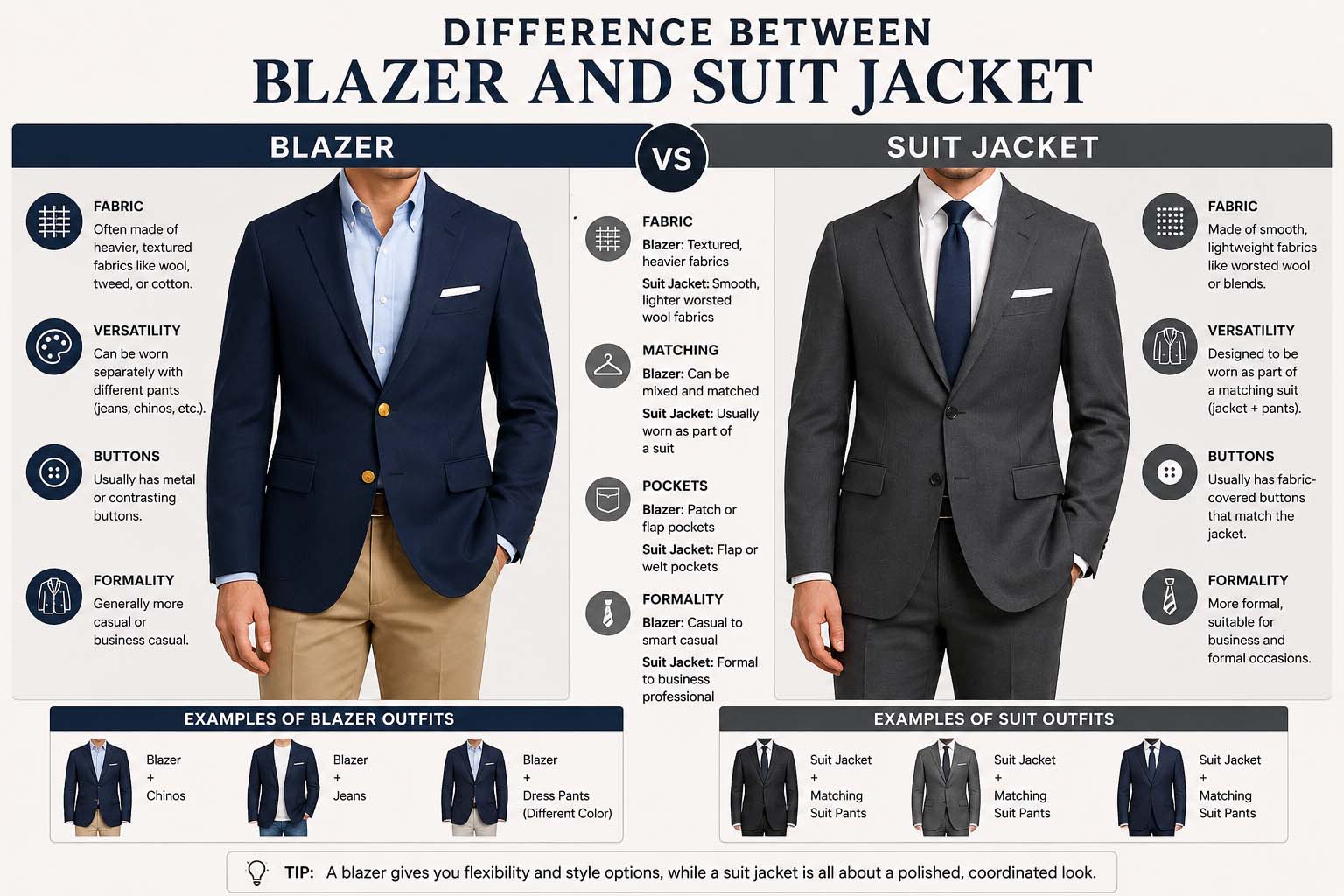
If your wardrobe includes tailored jackets, understanding the difference between blazer and suit jacket can also help you coordinate footwear with smart-casual or semi-formal outfits.
Wearing the Wrong Sandals for the Activity
Beach sandals aren’t designed for hiking.
Likewise, fashion sandals may not provide enough support for sightseeing or long city walks.
Matching the sandal to the activity extends both comfort and durability.
Caring for Your Sandals
Proper care helps sandals last longer.
Simple maintenance tips include:
- Clean dirt regularly.
- Let sandals air dry naturally.
- Avoid prolonged exposure to direct heat.
- Store them in a cool, dry place.
- Condition leather when needed.
- Replace worn footbeds or insoles if possible.
Regular cleaning also keeps sandals looking newer throughout the season.
Frequently Asked Questions
What are the most popular types of sandals?
Slides, flip-flops, gladiator sandals, fisherman sandals, sport sandals, wedge sandals, and slingback sandals remain some of the most popular choices.
Which sandals are best for walking?
Sport sandals and supportive leather walking sandals generally offer the best comfort for long distances thanks to cushioned soles and adjustable straps.
Are leather sandals worth buying?
Leather sandals can be an excellent investment if you want durability, comfort, and a timeless appearance. With proper care, they often last longer than many synthetic alternatives.
What’s the difference between slides and flip-flops?
Slides have one or more straps across the top of the foot, while flip-flops use a toe post that fits between the first and second toes.
How should sandals fit?
Your foot should sit comfortably within the sole without hanging over the edges. The straps should feel secure without causing pressure or rubbing.
Finding the Best Sandals for Your Lifestyle
The best types of sandals depend on where you’ll wear them, how often you’ll use them, and the level of comfort you expect. Casual slides and flip-flops work well for relaxed summer days, while sport sandals are a better choice for walking and travel. Dress sandals, wedges, and elegant heeled styles are ideal for special occasions without sacrificing style.
Before making your purchase, compare materials, support, fit, and versatility rather than focusing only on appearance. A well-made pair that suits your lifestyle is more likely to become your go-to footwear season after season.