
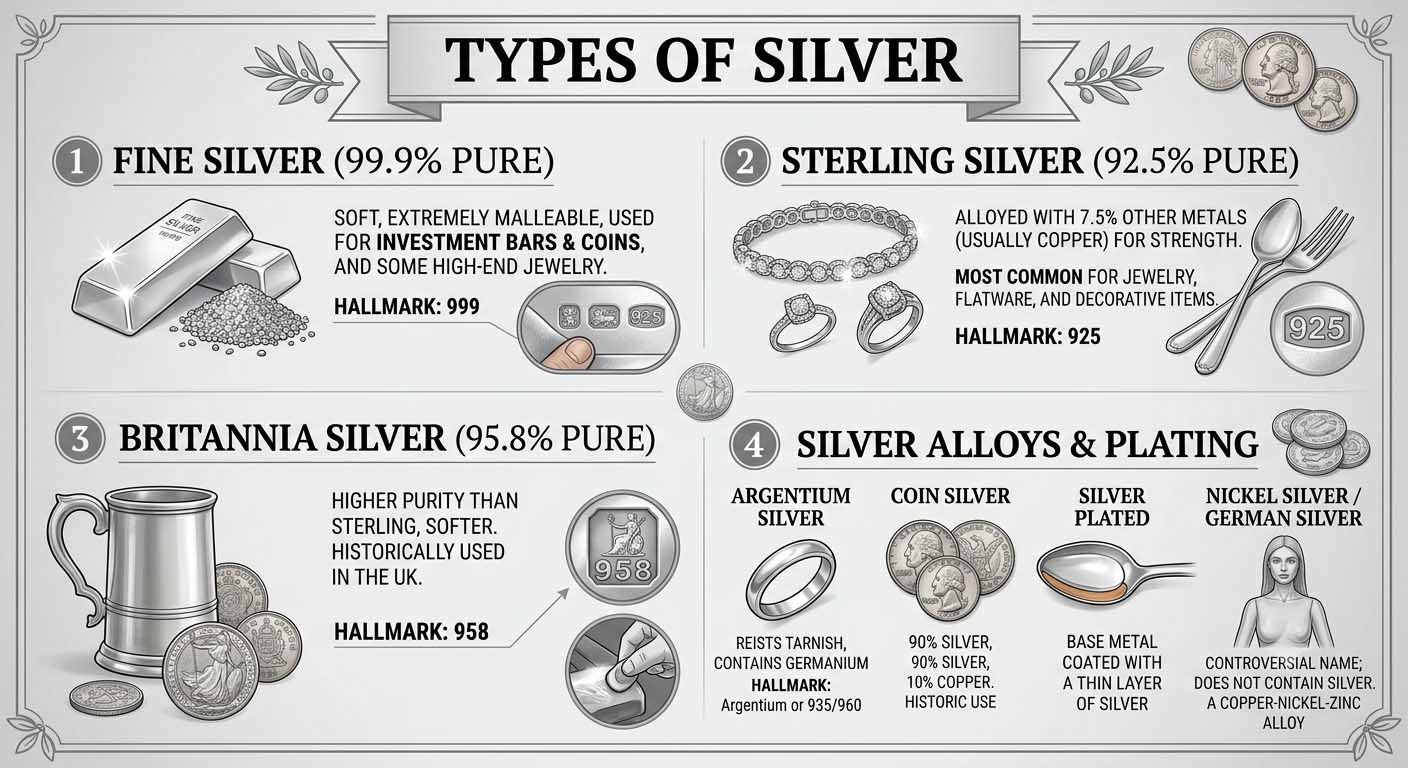
Types of Silver: A Complete Buyer’s Guide
The types of silver available today differ in purity, durability, appearance, and price. Whether you are buying jewelry, chains, coins, or decorative items, understanding these differences can help you choose the right option. From fine silver and sterling silver to Argentium and silver-plated products, each type has specific benefits and limitations.
Some silver products contain a high percentage of pure silver, while others combine silver with additional metals for strength. Therefore, checking the material, purity mark, and intended use is essential before making a purchase.
Types of Silver Compared: Purity and Uses
Different types of silver suit different purposes. Fine silver offers high purity, while sterling silver provides greater durability for everyday jewelry. Argentium silver is known for its tarnish resistance, and silver-plated items offer the appearance of silver at a lower cost.
Here is a quick comparison of common options:
| Silver type | Typical composition | Common uses |
|---|---|---|
| Fine silver | 99.9% silver | Bullion, selected jewelry, decorative pieces |
| Sterling silver | 92.5% silver | Rings, necklaces, bracelets, chains |
| Argentium silver | At least 92.5% silver, with germanium | Modern jewelry and accessories |
| Coin silver | Traditionally around 90% silver in many US coins | Historical coins and collectibles |
| Silver-plated | Thin silver layer over another material | Affordable jewelry and household items |
| Silver-filled | Silver bonded to a base metal, with construction varying by product | Some jewelry and accessories |
Composition can vary by product and country. Always check the manufacturer’s description and any applicable purity markings.
What Is Silver and What Are the Main Types of Silver?
Silver is a naturally occurring precious metal valued for its shine, conductivity, and workability. However, pure silver is relatively soft, so manufacturers often combine it with other metals to improve its strength.
The main differences between types of silver relate to purity and construction. Solid silver alloys contain silver throughout the material, whereas plated items have only a thin silver coating over a different metal.
Understanding this distinction matters because two pieces can look almost identical but have different values, durability, and care requirements.
Fine Silver
Fine silver usually contains 99.9% silver and is commonly marked 999. Its high purity gives it a bright, attractive appearance, making it useful for bullion and certain decorative products.
However, fine silver is softer than many silver alloys. As a result, it may scratch, bend, or lose its shape more easily during everyday wear. It can be suitable for carefully handled jewelry, but it is not always the most practical choice for pieces exposed to frequent impact.
Sterling Silver
Sterling silver typically contains 92.5% silver and 7.5% other metals, commonly copper. Its standard purity mark is 925.
Among the popular types of silver, sterling silver is especially common in jewelry because it balances appearance, durability, and price. Manufacturers use it for rings, bracelets, earrings, necklaces, and chains.
Sterling silver can tarnish over time, especially when exposed to moisture, certain chemicals, or sulfur-containing substances. Regular cleaning and proper storage can help maintain its appearance.
Argentium Silver
Argentium silver is a modern silver alloy that contains at least 92.5% silver and uses germanium as part of its composition. Some formulations contain a higher silver percentage.
Germanium helps improve tarnish resistance under suitable conditions. Consequently, Argentium silver can appeal to people who want jewelry that requires less frequent polishing.
Nevertheless, its price, availability, and performance depend on the specific product. Check the manufacturer’s specifications rather than assuming every silver alloy offers the same properties.
Coin Silver
Coin silver traditionally refers to alloys made using silver coinage or alloys associated with coin production. In the United States, historical coin silver often contained approximately 90% silver, although composition varied by period and item.
Today, the term may appear in descriptions of antiques, collectible coins, and vintage silver objects. Do not assume that every item described as coin silver has the same composition. Check its markings and provenance when authenticity or resale value matters.
Silver-Plated Products
Silver-plated items have a thin layer of silver over a base material, such as copper, brass, or another metal. They can provide a silver-colored finish at a lower initial cost than many solid silver products.
However, the outer layer may wear away with repeated use or aggressive polishing. Once the coating becomes thin, the underlying material can show through.
Silver-plated products should not be valued as though they contain the same amount of silver as a solid silver item. Read product descriptions carefully before buying.
Best Types of Silver for Jewelry and Everyday Use
The best choice depends on how you plan to use the item.
For everyday jewelry, sterling silver is often a practical option because it combines attractive appearance with useful strength. Fine silver may suit decorative pieces or jewelry designed for gentle use. Meanwhile, Argentium silver may appeal to buyers who prefer improved tarnish resistance.
Silver-plated jewelry can work for occasional wear when affordability is the main priority. However, it may not last as long as solid silver, especially if the coating is thin.
Before choosing among different types of silver, consider these factors:
- Durability: Will the item experience frequent movement, impact, or friction?
- Purity: Does the silver content matter for your purchase?
- Maintenance: Are you comfortable cleaning and polishing the item?
- Budget: Are you paying for solid silver, workmanship, or a surface coating?
- Purpose: Is the item intended for daily wear, collecting, gifting, or decoration?
These details can help you select a product that meets your expectations without paying for features you do not need.
Types of Silver Chains and How to Choose One
Silver chains are available in different designs, thicknesses, and materials. The construction of the chain affects its appearance, flexibility, strength, and maintenance needs.
Sterling silver is widely used for chains because it offers a practical balance between silver content and durability. Fine silver may be less suitable for some frequently worn chain designs because of its softness. Plated chains can cost less, but their surface may wear over time.
When comparing types of silver for chains, consider the following:
- Chain design: Some link patterns are more flexible, while others may be more vulnerable to catching or twisting.
- Thickness: A thicker chain may suit heavier pendants, but compatibility depends on the chain’s construction.
- Clasp quality: A secure clasp helps reduce the risk of losing the chain.
- Purity marking: Look for a reliable description of the metal and its silver content.
- Care requirements: Frequent exposure to water, perfume, lotions, and cleaning products can affect the finish.
For a chain you intend to wear regularly, focus on material quality and construction rather than appearance alone.
Types of Silver in Coins and Silver Dollars
Silver coins vary in composition according to their country, denomination, and production period. Some historic US coins contain silver, while many modern circulating coins use base metals or other alloys.
Certain older US silver dollar coins were produced with substantial silver content. However, not every dollar coin contains silver, and the composition of a coin cannot be established by its appearance alone.
Collectors should research the exact coin’s date, mint, and composition. They should also distinguish between a coin’s metal value and its collectible value, which may depend on condition, rarity, demand, and authenticity.
If you are buying coins as an investment or collectible, use reliable references and consider professional authentication for valuable examples.
Silver Types, Finishes, and Appearance
Silver products can have different finishes, even when they use similar materials. A finish changes the item’s appearance but does not necessarily indicate its purity.
Common finishes include:
- Polished: A smooth, reflective surface that produces a bright shine.
- Matte: A softer appearance with less reflection.
- Brushed: Fine surface lines create a subtle, textured look.
- Oxidized: Controlled darkening adds contrast to decorative details.
- Antiqued: A finish designed to give the item an aged appearance.
When comparing silver products, examine both the finish and the underlying material. A polished plated item can look similar to polished sterling silver, but the two products differ in construction and long-term wear.
How to Identify Types of Silver and Check Authenticity
Identifying silver involves checking markings, reviewing the seller’s claims, and examining the item carefully. No single visual test can reliably establish the composition of every silver product.
Start by looking for a purity stamp. Common examples include 999 for fine silver and 925 for sterling silver. However, a stamp alone is not absolute proof of authenticity because markings can be inaccurate or counterfeit.
You can also examine the item’s description, purchase documentation, and seller reputation. If you want more guidance, read this guide on how to tell if silver is real.
Avoid relying entirely on magnet tests, visual appearance, or home remedies. These methods have limitations and may not identify an item’s exact composition. A qualified jeweler or precious-metal testing professional can provide more dependable results when necessary.
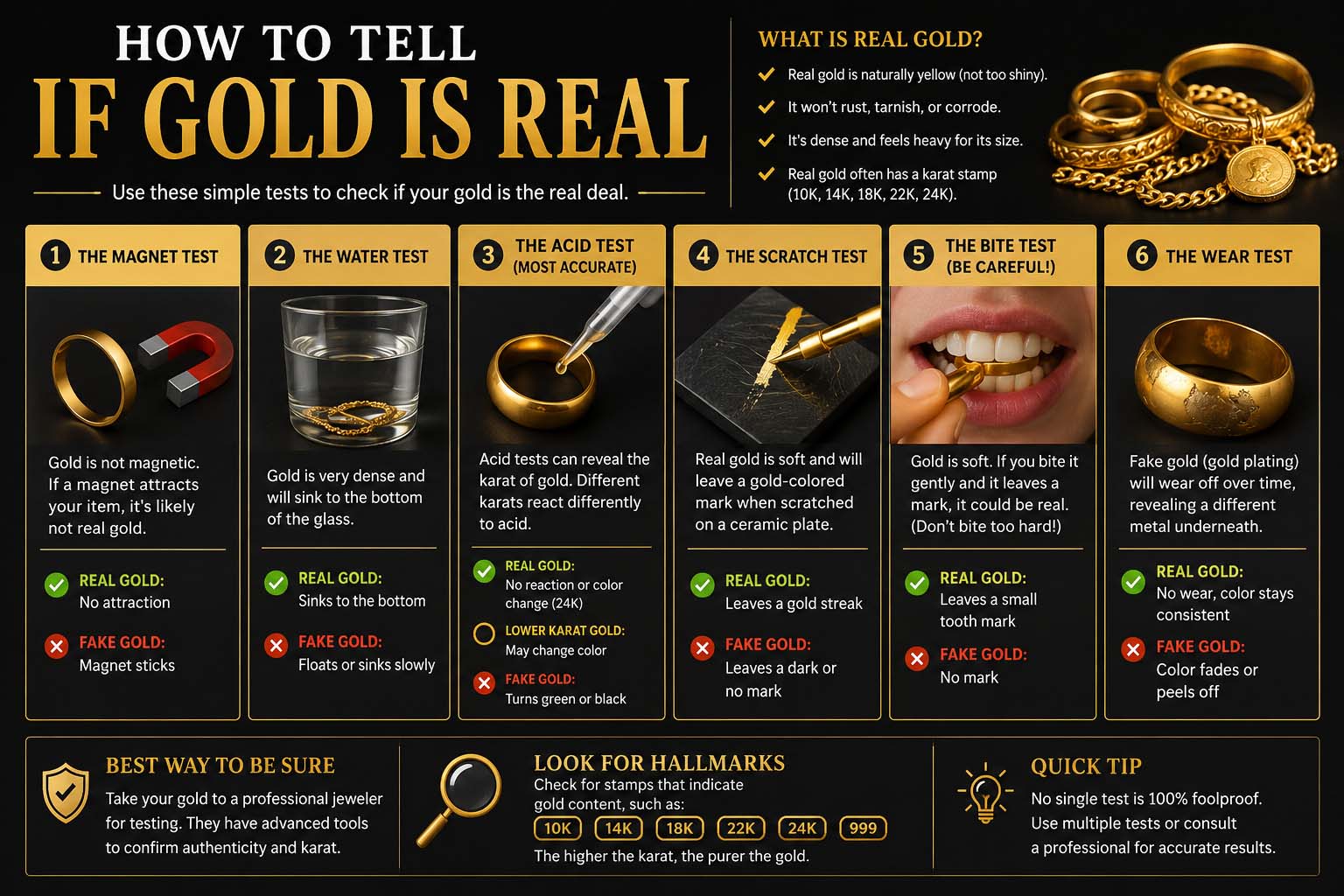
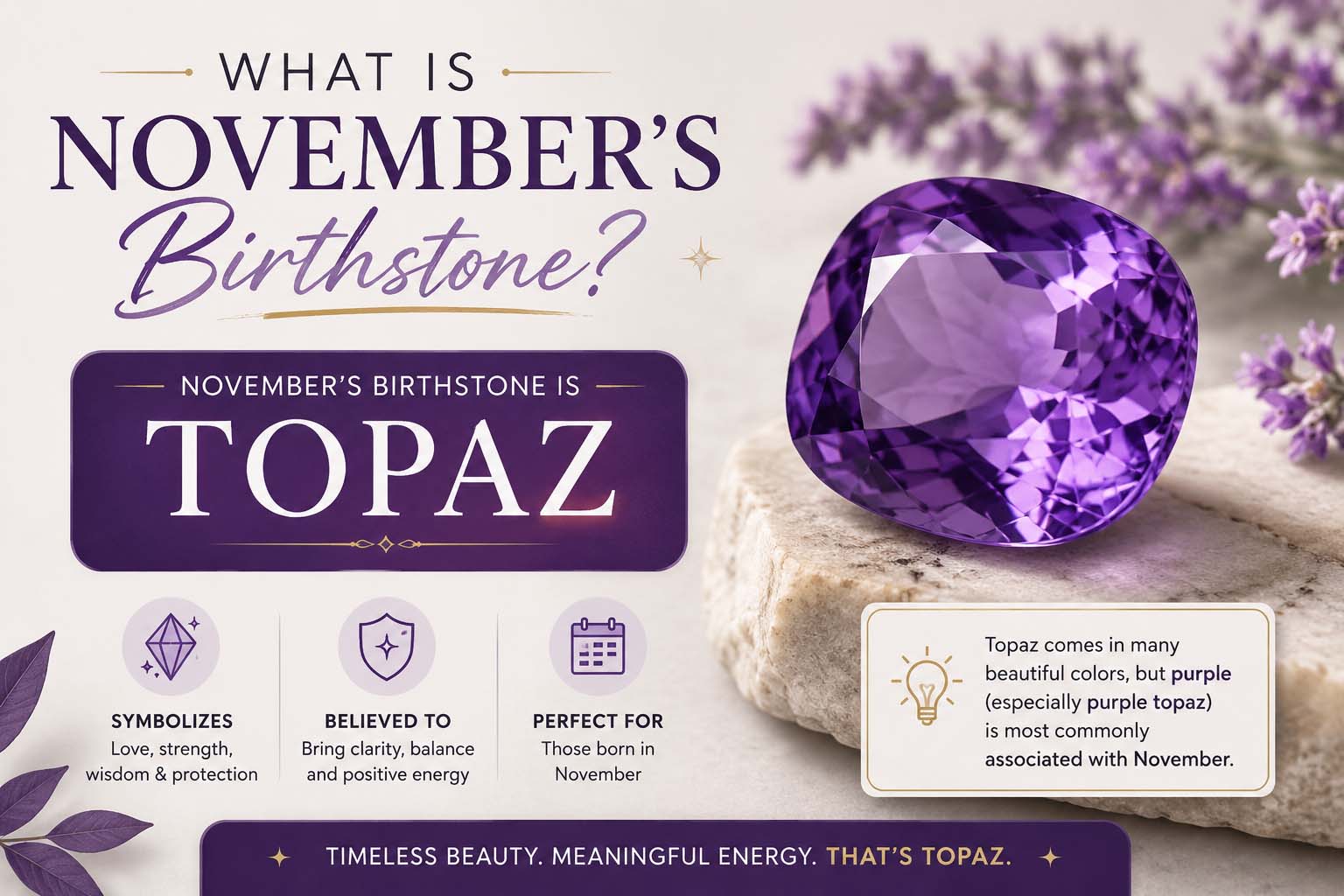
If you are comparing precious metals, you may also find these guides helpful: how to tell if gold is real and how to tell if a diamond is real. For an explanation of an alternative gemstone, see what is a moissanite diamond.
For consumer information about jewelry descriptions and precious-metal claims, consult the Federal Trade Commission’s Jewelry Guides.
Types of Silver and Their Prices
The cost of silver products depends on several factors, including metal content, current market prices, weight, craftsmanship, brand, and condition.
Fine silver and sterling silver have different compositions, which can affect their material value. Argentium silver may cost more than some conventional sterling silver products because of its alloy and manufacturing characteristics. Silver-plated items generally cost less because they contain a surface layer rather than a solid silver body.
Jewelry prices also reflect design, labor, gemstones, and retail margins. Similarly, collectible coins may sell for more than their silver content suggests because of rarity or historical interest.
Before buying, compare products with similar weights, purity levels, and construction. This makes it easier to judge whether the price reflects the actual material and quality.
How to Care for Different Types of Silver
Proper care can help silver products maintain their appearance for longer. The best approach depends on the material, finish, and manufacturer’s recommendations.
Follow these basic tips:
- Store silver jewelry in a dry place, ideally in a pouch or container that limits exposure to air and moisture.
- Remove jewelry before swimming, exercising, or using household cleaning chemicals.
- Clean solid silver with a suitable soft cloth and a product designed for that material.
- Avoid aggressive polishing on plated items because it can remove the silver coating.
- Keep silver jewelry away from perfumes, lotions, and other products that may affect its finish.
- Follow special care instructions for oxidized, antique, or gemstone-set pieces.
Not every silver item should receive the same treatment. When in doubt, ask a qualified jeweler how to clean the specific product safely.
Common Mistakes When Buying Silver
A few common mistakes can lead to disappointment or unnecessary spending.
Assuming every silver-colored item is solid silver: Some products are plated or made from silver-colored base metals. Check the description and markings.
Trusting a stamp without verification: Purity marks are useful, but they can be misleading on counterfeit or incorrectly described items.
Ignoring the product’s intended use: A delicate item may not withstand the same wear as a sturdier piece designed for everyday use.
Choosing only by price: A low price may reflect plating, lower weight, simpler craftsmanship, or a different material.
Overlooking maintenance: Some finishes and alloys require more care than others. Consider your willingness to clean and store the item properly.
Careful research can help you compare products based on their actual properties rather than appearance alone.
Frequently Asked Questions About Types of Silver
What is the most common type of silver used in jewelry?
Sterling silver is one of the most common choices for jewelry. It typically contains 92.5% silver and 7.5% other metals, which help improve strength and durability.
Is 925 silver real silver?
Yes. The 925 mark usually indicates sterling silver containing 92.5% silver. However, a marking alone does not guarantee authenticity, so consider the seller’s reputation and professional testing when needed.
Is fine silver better than sterling silver?
Neither is automatically better for every purpose. Fine silver has a higher silver content, while sterling silver is generally harder and more practical for frequently worn jewelry.
Does silver-plated jewelry contain real silver?
Silver-plated jewelry has a silver coating over another material. The coating contains silver, but the item is not equivalent to a solid silver piece.
Which types of silver tarnish the least?
Tarnish resistance depends on the alloy, finish, environment, and care. Argentium silver is designed to resist tarnishing better than many conventional silver alloys, although it is not completely tarnish-proof.
How can I check the purity of silver?
Start with the item’s markings and documentation. For greater certainty, consult a qualified jeweler or precious-metal testing professional rather than relying on a single home test.
Choosing the Best Types of Silver for Your Needs
The best option depends on your budget, preferred appearance, and intended use. Fine silver offers high purity, sterling silver provides a useful balance of durability and affordability, and Argentium silver offers enhanced tarnish resistance. Silver-plated products may suit buyers looking for a lower-cost decorative option.
By comparing the types of silver available, checking purity marks, and understanding the difference between solid and plated products, you can make a more informed buying decision. Focus on material quality, construction, and care requirements to choose silver that suits your needs.