
Different Types of Aesthetics: A Shopping Guide to Finding Your Style
Scrolling through clothes, accessories, furniture, and room decor can get confusing when every collection seems to have its own style label. Understanding the different types of aesthetics makes shopping easier because it gives you a visual direction before you start spending.
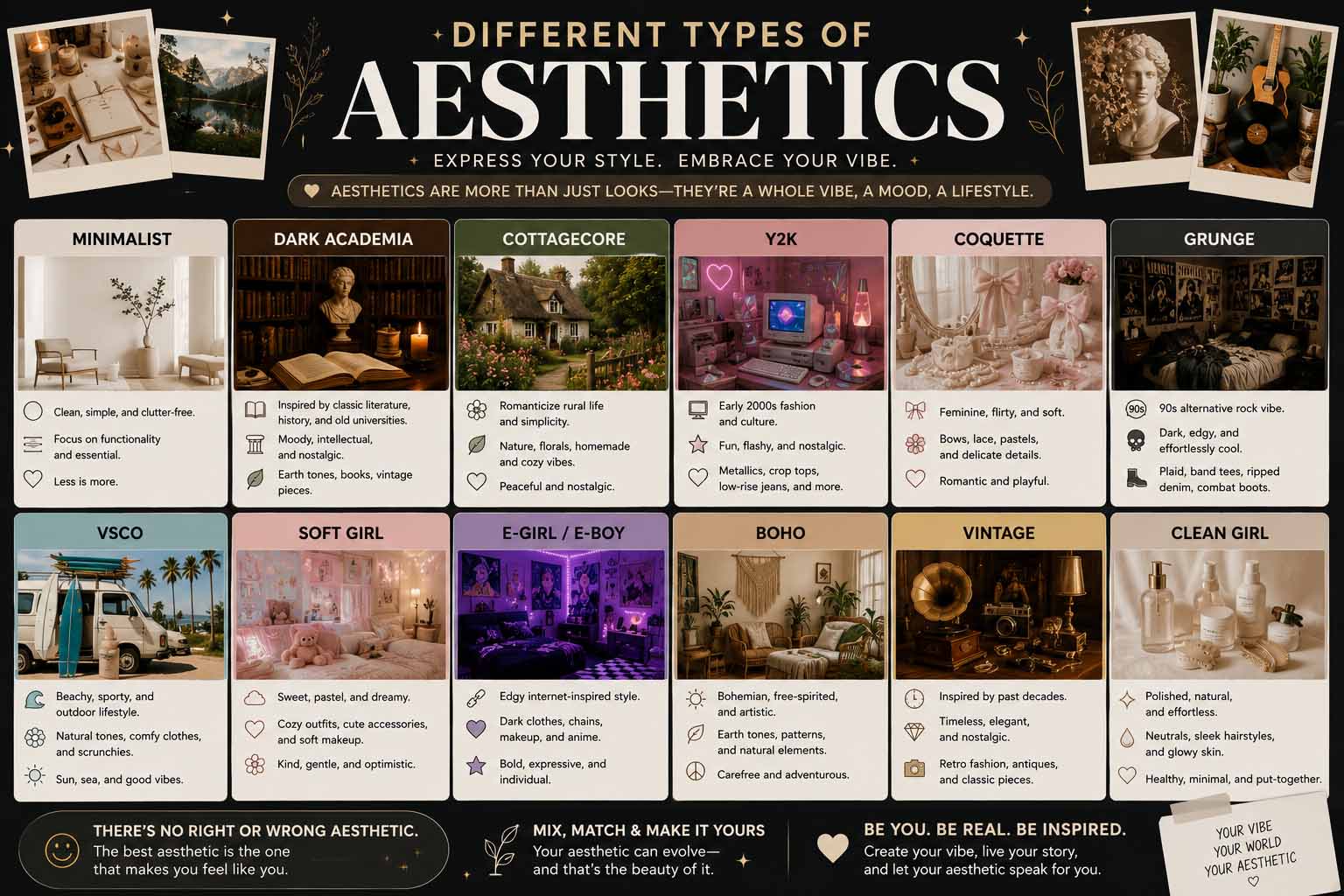
An aesthetic isn’t a strict shopping rule. Rather, it’s a recognizable combination of colors, shapes, textures, influences, and moods. Minimalist style favors simplicity, while cottagecore leans toward nature and vintage-inspired details. Meanwhile, Y2K embraces playful early-2000s influences.
You also don’t have to commit to one category. In fact, combining compatible aesthetics often creates a more personal look.
Quick Chart: Different Types of Aesthetics
If you’re trying to identify your style before shopping, this quick comparison makes the major options easier to separate.
| Aesthetic | Typical Colors | Fashion Pieces | Room & Decor Ideas |
|---|---|---|---|
| Minimalist | White, black, beige, gray | Clean basics, simple tailoring | Uncluttered furniture, neutral decor |
| Dark Academia | Brown, black, cream, burgundy | Blazers, knits, loafers | Books, dark wood, warm lamps |
| Cottagecore | Cream, green, floral shades | Flowing dresses, cardigans | Florals, baskets, natural materials |
| Y2K | Pink, silver, bright colors | Baby tees, mini bags, denim | Playful accessories, metallic accents |
| Streetwear | Black, gray, bold accents | Hoodies, cargos, sneakers | Graphic art, industrial accents |
| Coastal | White, blue, sand | Linen, relaxed shirts | Light woods, woven textures |
| Vintage | Era-dependent | Retro cuts, accessories | Antique-inspired furniture and decor |
| Soft Girl | Pastels, white, pink | Cardigans, skirts, cute accessories | Pastel bedding, soft lighting |
| Grunge | Black, charcoal, muted tones | Oversized layers, boots | Posters, darker textiles |
| Scandinavian | White, beige, soft earth tones | Practical simple pieces | Light wood, functional furniture |
Use this chart different types of aesthetics as a starting point rather than a rulebook.
The smartest approach is to identify what you repeatedly like, then shop around those patterns.
Different Types of Aesthetics for Clothing
Fashion is often the easiest place to experiment because you can introduce a new aesthetic one item at a time.
Before rebuilding your wardrobe, though, look at the types of clothing you actually wear during a normal week. If your lifestyle mostly requires comfortable casual pieces, buying an entire collection of formal aesthetic outfits probably won’t provide much value.
Instead, adapt the aesthetic to your real routine.
Minimalist Aesthetic
Minimalist fashion focuses on versatile pieces with relatively simple silhouettes and limited visual clutter.
Typical purchases include:
- Plain T-shirts
- Straight-leg trousers
- Simple denim
- Neutral knitwear
- Structured coats
- Clean sneakers
- Minimal jewelry
Neutral colors make mixing outfits easier, although minimalism doesn’t require an entirely beige wardrobe.
When shopping, focus on fit and fabric because simple clothing leaves fewer design details to distract from poor construction.
A well-fitting plain shirt will usually contribute more to a minimalist wardrobe than several trendy pieces that don’t coordinate.
Dark Academia
Dark academia draws heavily from classic academic clothing, old libraries, traditional tailoring, and vintage-inspired styling.
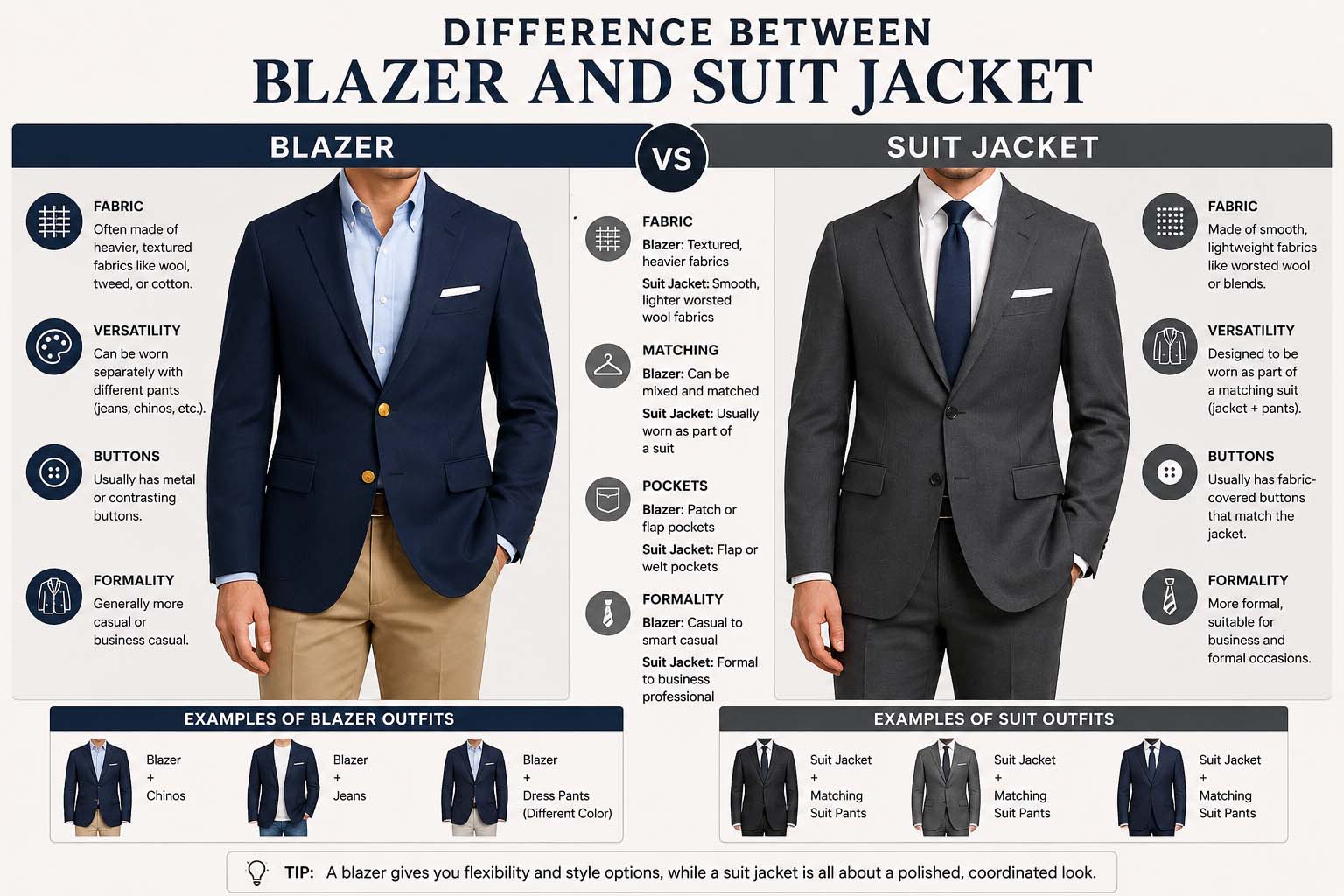
Common pieces include blazers, pleated trousers, sweaters, button-down shirts, loafers, long coats, and structured bags.
Colors tend to stay around brown, charcoal, cream, black, forest green, and burgundy.
Because layering plays such a major role, individual pieces can often work in several outfits. For example, a brown blazer might pair with trousers for a polished look or denim for something more casual.
If you’re comparing types of shirts, classic button-downs, Oxford-style shirts, turtlenecks, and simple collared tops can all work naturally within this aesthetic.
Cottagecore
Cottagecore takes inspiration from countryside living, nature, handmade details, florals, and romantic vintage styling.
Fashion often includes flowing dresses, loose blouses, knitted cardigans, floral prints, aprons, and soft natural-looking fabrics.
However, you don’t need to dress like you’re permanently heading to a countryside picnic.
A floral blouse, textured cardigan, or relaxed linen-style dress can suggest the aesthetic without becoming costume-like.
When buying, check fabric care requirements as well.
Y2K Aesthetic
Y2K fashion draws inspiration from late-1990s and early-2000s trends.
Think small shoulder bags, fitted tops, denim, colorful accessories, platform-inspired shoes, metallic details, and playful silhouettes.
Unlike minimalist fashion, Y2K usually embraces visible personality.
Still, trend-driven shopping can become expensive if you buy everything at once.
That strategy makes the aesthetic easier to update if your taste changes later.
Streetwear
Streetwear combines casual clothing with influences from sneakers, skate culture, sportswear, music, and contemporary fashion.
Oversized hoodies, graphic tees, cargo pants, relaxed denim, caps, and sneakers frequently appear in streetwear wardrobes.
Fit matters here just as much as graphics.
An intentionally oversized hoodie should still have proportions that work with the rest of the outfit. Therefore, check garment measurements rather than simply ordering several sizes larger.
Streetwear can also become expensive around limited releases, so decide whether exclusivity genuinely matters to you before paying a premium.
How Skirts Change an Aesthetic
One garment can fit several styles depending on its cut, fabric, and styling.
For instance, pleated skirts can work with dark academia, while flowing midi skirts suit cottagecore. Meanwhile, short denim or playful mini skirts can fit Y2K-inspired outfits.
Understanding the basic types of skirts makes it easier to shop for the silhouette you actually need instead of relying entirely on aesthetic labels used by retailers.
Consider length, waist position, movement, fabric weight, and what you’ll wear on top.
Also think about shoes before purchasing.
A skirt that works perfectly with boots may create a very different overall look with sneakers or sandals.
Different Types of Room Aesthetics
Your aesthetic doesn’t have to stop at your wardrobe.
The different types of room aesthetics use many of the same color and mood principles found in fashion, although furniture, lighting, storage, and materials become much more significant.
Minimalist Rooms
Minimalist rooms prioritize visual simplicity and practical organization.
Look for clean-lined furniture, controlled color palettes, functional storage, and a smaller number of decorative objects.
However, minimalist doesn’t have to mean empty.
Texture can prevent a neutral room from feeling flat. Rugs, curtains, cushions, wood, ceramic pieces, and woven materials can create visual interest without introducing excessive clutter.
Before buying decorative items, solve storage first. A beautiful minimalist room is difficult to maintain when everyday objects have nowhere to go.
Dark Academia Rooms
Dark academia interiors often feature deeper colors, books, warm lighting, traditional-looking furniture, framed artwork, and vintage-inspired accessories.
You don’t need antique furniture to create the look.
Lighting matters particularly here. Bright cool-white lighting can work against the cozy, moody atmosphere many shoppers want from this style.
Cottagecore Rooms
Cottagecore interiors favor warmth, nature, softness, and collected-looking decor.
Common shopping choices include floral bedding, woven baskets, wooden furniture, botanical prints, ceramic pieces, soft curtains, and plants.
Secondhand and vintage-inspired pieces can work particularly well because the style doesn’t need everything to match perfectly.
Still, avoid buying decorative objects just to fill surfaces. A few useful, attractive pieces usually create a more convincing room than dozens of small themed decorations.
Y2K Rooms
A Y2K-inspired room can be playful, colorful, and nostalgic.
Metallic accents, bright colors, funky mirrors, decorative lighting, posters, playful storage, and retro-tech-inspired accessories can all fit.
However, permanent furniture doesn’t need to follow every trend.
Keep expensive items relatively adaptable, then create the aesthetic through smaller accessories that are easier to replace.
That way, changing your room later won’t require buying an entirely new furniture set.
Different Types of House Aesthetics
While a bedroom can follow a highly specific theme, whole-house design usually benefits from a broader approach.
Popular different types of house aesthetics include minimalist, Scandinavian, coastal, farmhouse-inspired, industrial, traditional, mid-century modern, and contemporary styles.
The biggest buying mistake is treating each room as an unrelated project.
Instead, create continuity through repeated colors, materials, or finishes.
For example, light wood can connect a Scandinavian living room to a simple dining area. Likewise, black metal accents can help an industrial theme flow between spaces.
Large purchases deserve extra thought.
A sofa, dining table, bed frame, or storage system costs more and stays around longer than decorative accessories. Therefore, choose expensive pieces based on comfort, dimensions, construction, and long-term usefulness before worrying about trend details.
Shoes and Accessories Can Define Your Look
You don’t always need new clothing to change an outfit’s aesthetic.
Shoes, bags, jewelry, belts, eyewear, and hair accessories can shift the entire impression.
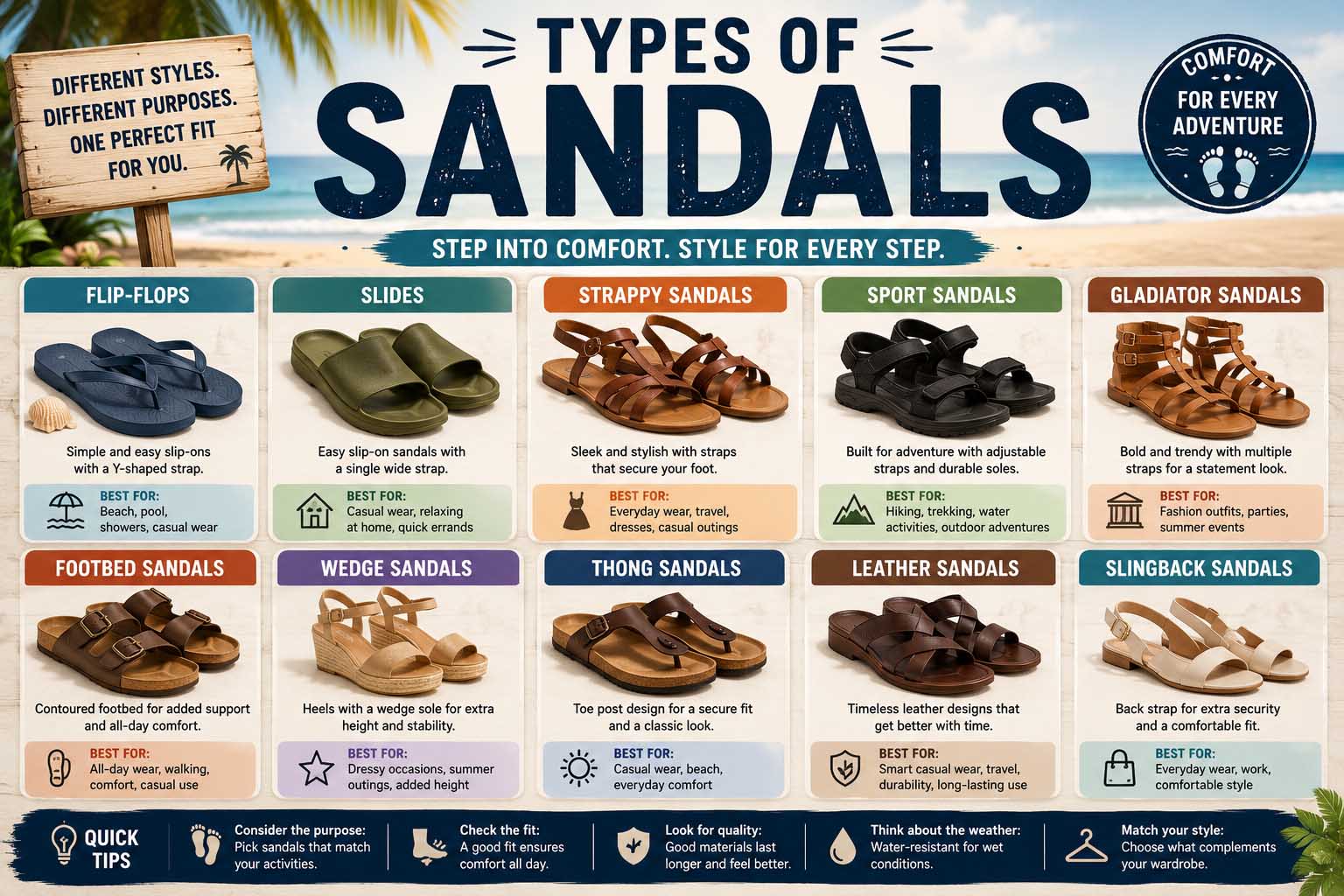
For example, loafers can push a simple outfit toward dark academia. Chunky sneakers can create a stronger streetwear feel, while delicate flats may suit softer or vintage-inspired looks.
Learning the common types of footwear helps you choose shoes based on both aesthetic and practical needs.
Always consider comfort, climate, walking distance, and your existing wardrobe before buying.
An attractive pair of shoes that only works with one outfit usually provides less value than a pair that supports several looks.
How to Shop for an Aesthetic Without Overspending
The easiest mistake is trying to transform everything immediately.
Instead, build slowly.
First, save images of outfits or rooms you genuinely like. Then look for repeated elements.
Perhaps nearly every image contains dark wood. Maybe your favorite outfits consistently feature relaxed trousers and simple sneakers. These patterns tell you more about your actual taste than an aesthetic label does.
Next, shop your existing belongings.
You may already own several useful pieces.
After that, make a short priority list. For clothing, it might include a jacket, two tops, trousers, and shoes. For a bedroom, perhaps bedding, lighting, and curtains will create more impact than replacing furniture.
This gradual approach also works well if you’re exploring how to glow up, since changing your personal style often works better when you improve fit, grooming, coordination, and confidence rather than simply buying large amounts of new clothing.
Choosing Materials That Match the Look
Material affects both appearance and practicality.
Cottagecore and coastal styles often suit linen-like textures, cotton, wood, wicker, and ceramics. Meanwhile, industrial interiors may use metal, leather, concrete-inspired finishes, and darker woods.
For clothing, always read the fabric composition instead of judging from photographs alone.
Natural fibers can feel appealing, but they also have different care needs. Linen wrinkles easily, wool may require special care, and some cotton garments can shrink depending on construction and washing.
Synthetic fabrics vary widely too.
Rather than assuming one material is automatically better, consider durability, feel, climate, care requirements, and price.
For furniture, inspect construction as well as surface appearance. A product can match your aesthetic perfectly while still being a poor purchase if its size or durability doesn’t suit your needs.
Common Aesthetic Shopping Mistakes
Buying everything from one trend at once is probably the biggest mistake.
Your preferences may change, so start with versatile pieces.
Another mistake is ignoring measurements. Clothing sizing differs between brands, while furniture that looks compact online can overwhelm a small room.
Also avoid prioritizing appearance over function.
A white sofa might perfectly match your inspiration board, but it may not suit a household with pets or young children. Likewise, delicate shoes may look great while being completely unsuitable for daily walking.
Finally, don’t confuse expensive with authentic.
A convincing aesthetic comes from coordination, not price. Thrifted, affordable, handmade, premium, and existing items can all work together when their colors, proportions, and textures make sense.
FAQs About Different Types of Aesthetics
What are the most popular aesthetics?
Popular styles include minimalist, dark academia, cottagecore, Y2K, streetwear, coastal, vintage, grunge, soft girl, Scandinavian, and many others. Trends change, while several broader aesthetics remain popular for years.
Can I have more than one aesthetic?
Yes. Many people naturally combine styles. For example, minimalist and Scandinavian influences work well together, while vintage pieces can blend with cottagecore or dark academia.
How do I find my personal aesthetic?
Start by collecting images you consistently like. Then identify repeated colors, clothing shapes, materials, furniture styles, and accessories. Those patterns can reveal your preferences more accurately than choosing a label first.
Do my clothes and room need the same aesthetic?
No. Your wardrobe and interior can follow completely different styles. However, some people enjoy repeating similar colors or influences across both.
What’s the cheapest way to change my aesthetic?
Use what you already own first. Then focus on high-impact additions such as accessories, lighting, textiles, shoes, or one versatile clothing piece. Secondhand shopping can also help, depending on availability and condition.
Should I buy trendy aesthetic products?
Only when they genuinely suit your taste and lifestyle. If you’re uncertain, choose trend-driven details through lower-cost accessories while keeping expensive purchases more versatile.
Build an Aesthetic That Actually Fits Your Life
The different types of aesthetics are most useful as inspiration, not as shopping rules. Minimalist, cottagecore, Y2K, streetwear, dark academia, coastal, vintage, and other styles simply give you a visual starting point.
From there, pay attention to what you actually wear, how you use your room, and which items you repeatedly enjoy.
Most importantly, buy slowly. Start with versatile pieces, check materials and measurements, and let your style develop naturally.
When your purchases suit both your aesthetic and your everyday life, you’re much more likely to keep using them long after the trend that inspired them has changed.