
What Is Shiplap? A Practical Guide to Materials, Styles, Costs, and Buying
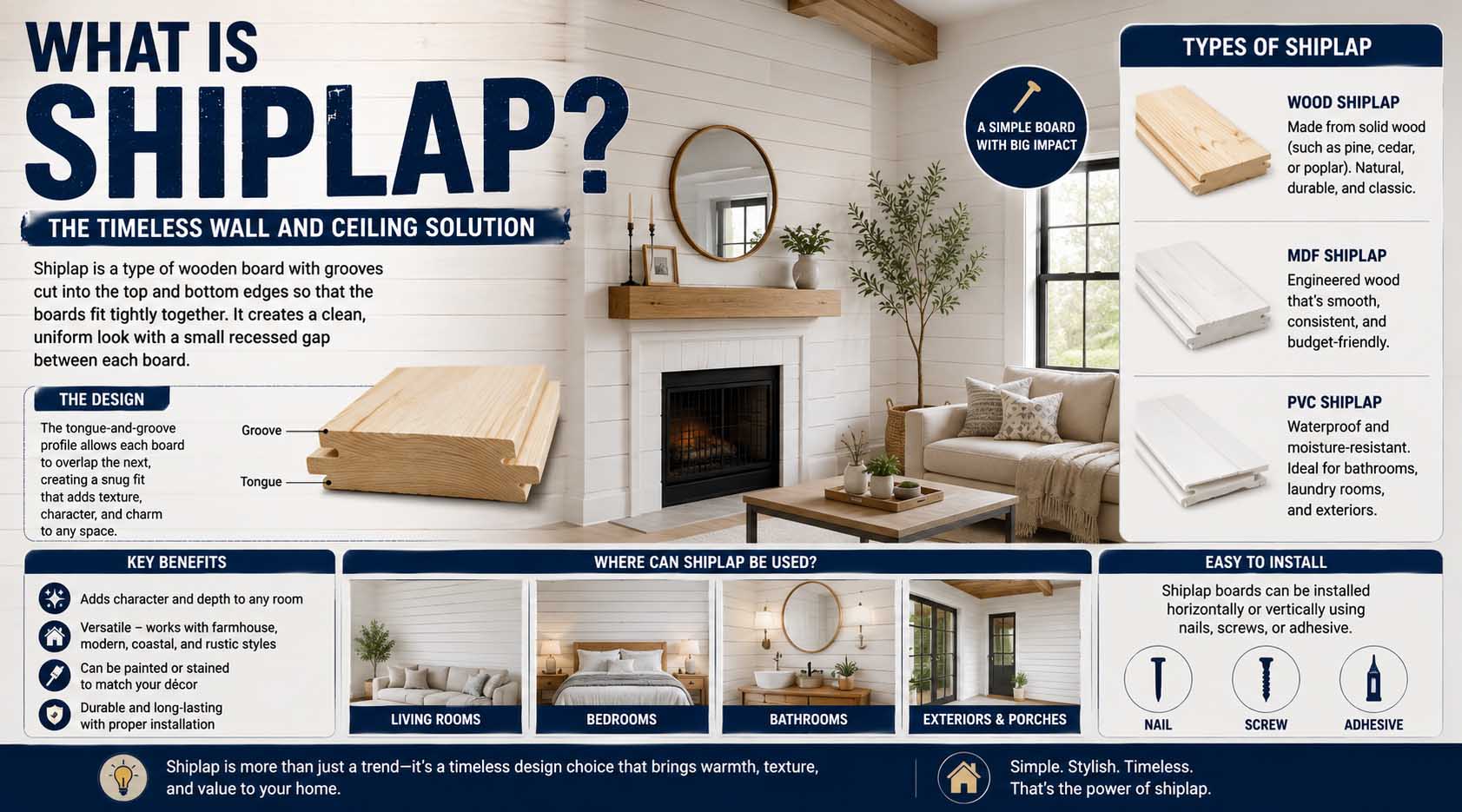
If you have been browsing wall-paneling ideas or planning a home renovation, you may be wondering what is shiplap and whether it is worth buying for your space. Shiplap is a type of wooden or wood-look board with overlapping edges that fit together to create distinctive horizontal or vertical lines. Although builders originally used it as a practical construction material, homeowners now commonly choose shiplap for living rooms, bedrooms, kitchens, entryways, and even exterior walls.
What Is Shiplap and How Does It Work?
Traditional shiplap boards have grooves, called rabbets, cut along their long edges. When installers place two boards next to each other, these edges overlap.
Because of this overlapping design, the boards create a relatively tight joint while still leaving a visible line between them. That line creates the visual detail most people now associate with shiplap interiors.
Originally, builders valued shiplap because the overlapping boards helped protect structures from wind and moisture. Today, however, many shoppers buy shiplap mainly for its appearance.
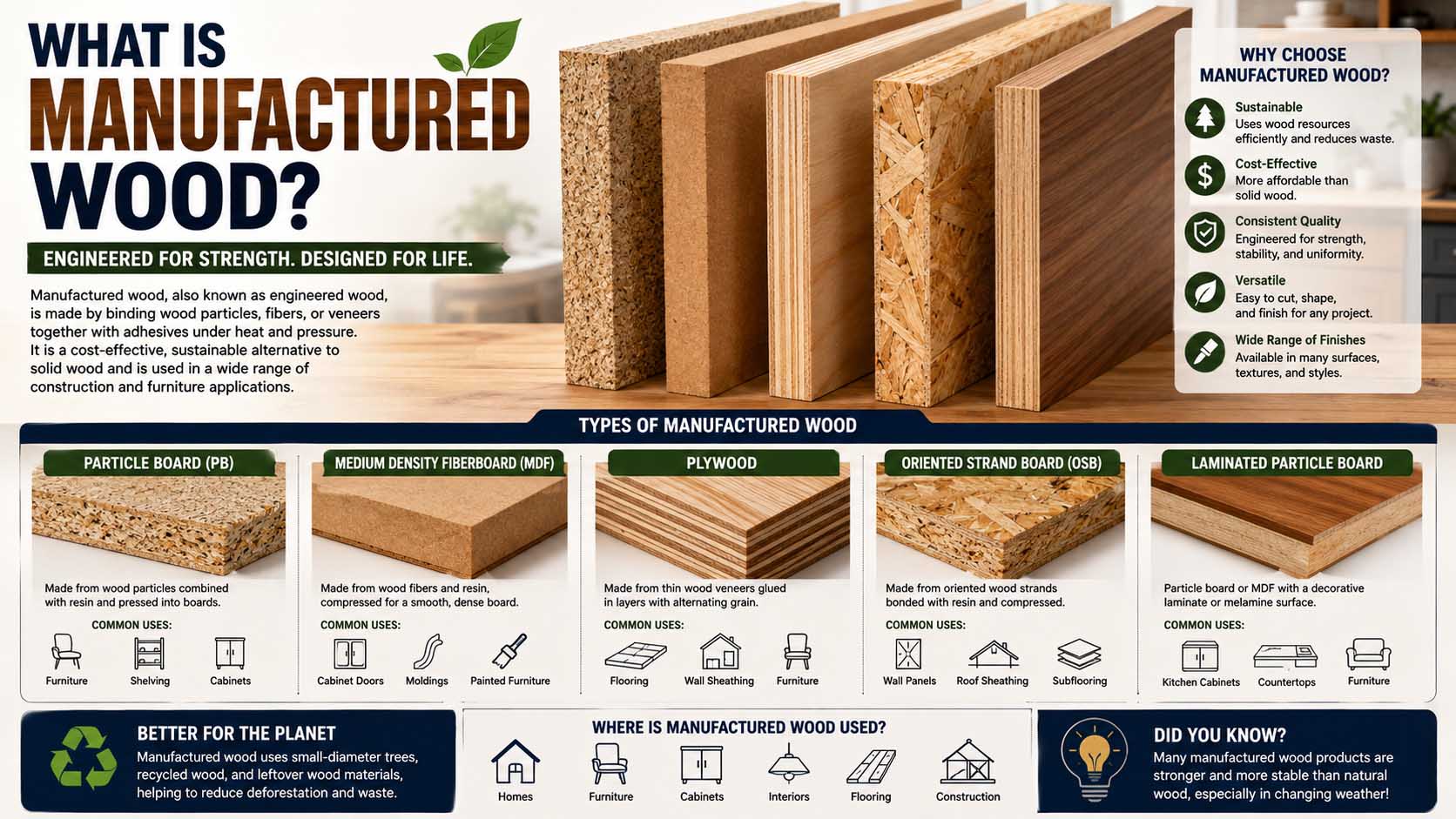
Modern products also vary widely. Therefore, not every product sold as shiplap uses traditional solid-wood construction. Manufacturers may use MDF, plywood, engineered wood, PVC, or other materials.
What Is Shiplap Wood?
If you are asking what is shiplap wood, the simplest answer is that it refers to boards with overlapping rabbeted edges, typically made from natural wood.
Common wood species include pine, cedar, spruce, and poplar. Pine is especially common for interior projects because suppliers widely stock it and it usually costs less than premium hardwoods.
Natural wood gives you a more authentic surface, and you can often stain or paint it. However, it can also expand, contract, warp, or show knots depending on the species and moisture conditions.
For that reason, buyers should check whether manufacturers have kiln-dried the boards and whether the product suits interior or exterior use.
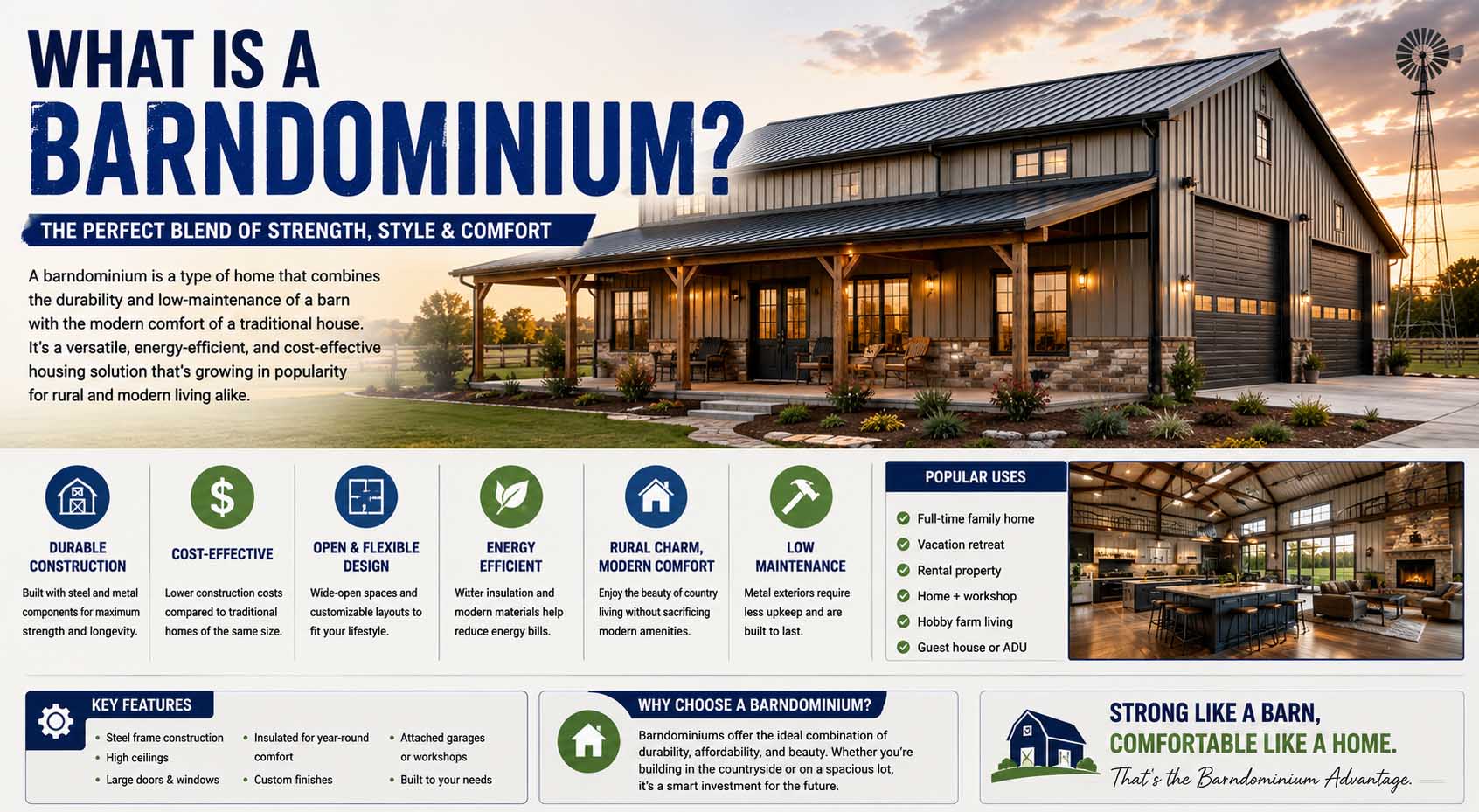
If you are comparing rustic building styles, learning what is a barndominium can also help explain why exposed wood finishes and shiplap-style walls are common in farmhouse-inspired interiors.
What Is a Shiplap Wall?
A shiplap wall is simply a wall covered with shiplap boards or panels. Most installations run horizontally, although vertical installation has become popular in modern interiors.
Horizontal boards can make a room appear wider, while vertical boards can visually emphasize ceiling height. Therefore, the direction you choose can change the overall character of a room.
Shiplap can cover an entire room, one accent wall, the lower half of a wall, or a specific architectural feature such as a fireplace surround.
However, shoppers should check local fire-safety requirements before placing combustible materials around fireplaces or heating appliances. Required clearances depend on the appliance, product, and applicable building rules.
What Is Shiplap Siding?
The phrase what is shiplap siding usually refers to overlapping boards installed on exterior walls.
Traditional exterior shiplap helps create a weather-resistant outer surface. However, exterior products must handle moisture, temperature changes, sunlight, and insects.
Depending on the building, homeowners may consider cedar, treated wood, fiber cement, engineered wood, or certain composite products for exterior applications.
Still, exterior siding differs from decorative interior wall boards. Therefore, shoppers should never assume an inexpensive indoor MDF panel will work outdoors.
Always check the manufacturer’s installation instructions and weather-exposure rating before buying.
Shiplap Materials Compared
Modern shoppers have several material choices, and each suits a different budget and environment.
| Material | Best For | Main Advantage | Main Limitation |
|---|---|---|---|
| Solid wood | Authentic interior or exterior projects | Natural appearance | Can expand or warp |
| MDF | Dry indoor rooms | Smooth and affordable | Poor moisture resistance |
| Plywood | Budget-conscious projects | Lightweight and versatile | Edges may need finishing |
| PVC | Bathrooms and damp spaces | Moisture resistant | Less natural appearance |
| Engineered wood | Interior or selected exterior uses | Stable and consistent | Quality varies by product |
| Fiber cement | Exterior siding | Durable and weather resistant | Heavier and harder to cut |
As a result, the best material depends less on appearance alone and more on where you plan to install it.
How to Choose the Right Shiplap
Before ordering boards, think about the room, moisture exposure, finish, dimensions, and installation method.
Choose the Material for the Environment
For a dry bedroom or living room, MDF or pine may work well.
However, a bathroom, laundry room, or other humid area generally needs a more moisture-resistant material. PVC or appropriately rated engineered products may offer a better option.
For exterior siding, choose a material that the manufacturer specifically approves for outdoor exposure.
Decide Between Pre-Finished and Unfinished Boards
Pre-finished shiplap saves time because manufacturers supply the boards already painted or coated.
Meanwhile, unfinished wood gives you more control over the final color. You can paint or stain it to match your room.
If you plan to paint the boards yourself, understanding the different types of paint can help you choose a finish that suits woodwork, humidity levels, and the amount of wear the surface will receive.
Check Board Width and Thickness
Shiplap boards come in several widths. Wider boards create fewer seams and often look more modern, while narrower boards can create a more traditional or detailed appearance.
Thickness also matters because thicker boards project farther from the wall.
Therefore, consider how shiplap will meet window trim, door frames, baseboards, electrical outlets, and other surfaces.
Real Shiplap vs. Shiplap-Look Paneling
Not every shopper needs traditional rabbeted boards.
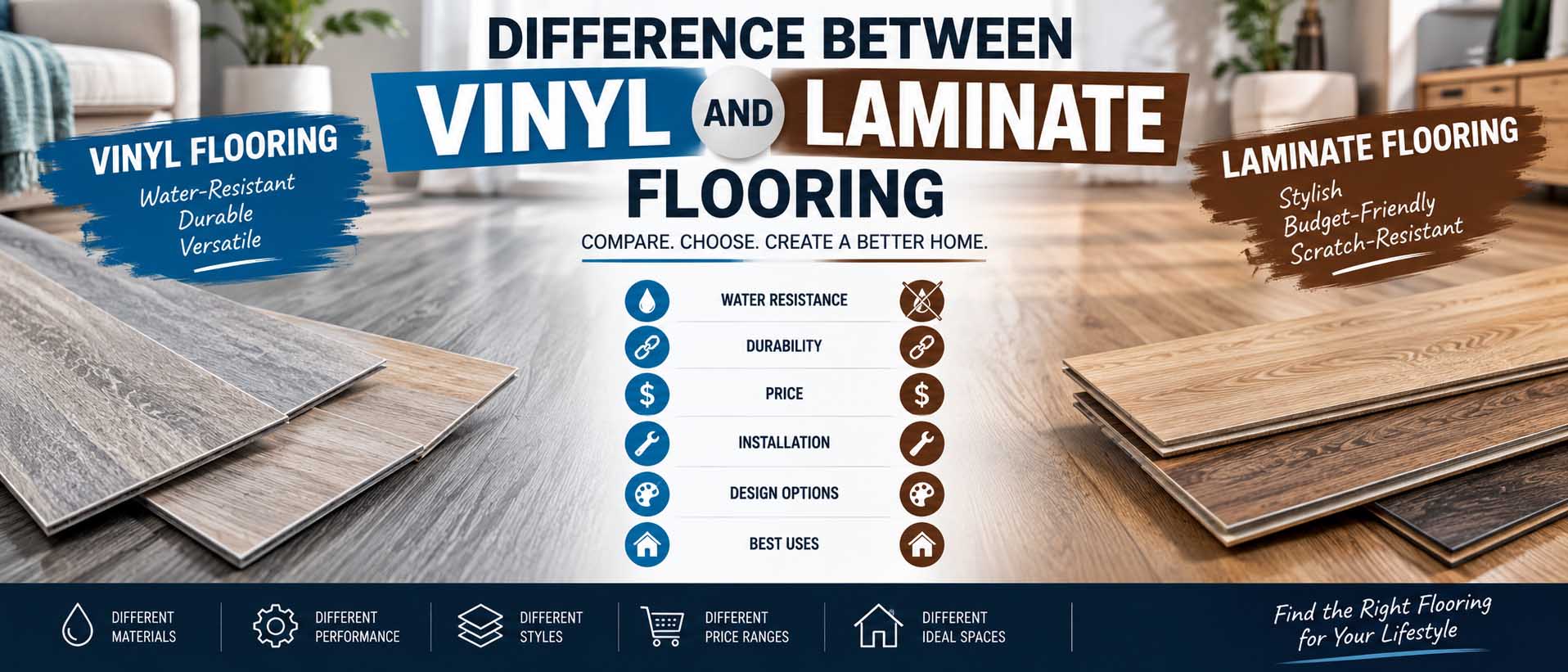
For decorative projects, manufacturers sell tongue-and-groove boards, peel-and-stick products, MDF strips, plywood panels, and wall panels designed to imitate shiplap.
Real shiplap usually has overlapping edges. Tongue-and-groove boards, by comparison, interlock using a projecting tongue and matching groove.
Meanwhile, decorative panels may simply reproduce the appearance of individual boards.
If your goal is purely visual, imitation products can be faster and cheaper to install. However, they may not offer the same depth, texture, or durability as solid wood.
How Much Does Shiplap Cost?
Shiplap prices vary significantly according to material, board width, finish, wood species, brand, and retailer.
Basic MDF or plywood-style products generally rank among the more affordable options. Meanwhile, high-quality natural wood, cedar, specialty finishes, or exterior-rated systems usually cost more.
You should also budget for:
- Nails or fasteners
- Construction adhesive where appropriate
- Primer
- Paint or stain
- Trim pieces
- Caulk
- Spacers
- Tools
- Professional labor if needed
Because prices vary by region and over time, compare the total project cost rather than just the price per board.
For example, pre-painted boards may cost more initially but can reduce finishing time and paint expenses.
Can You Install Shiplap Over Drywall?
Yes. In many interior projects, installers can place shiplap directly over existing drywall.
However, the wall should be reasonably flat, dry, and structurally sound before installation.
If the drywall has damage, repair large holes or loose sections first. A guide on how to patch drywall can be useful before covering a wall because you should not simply hide serious damage behind new paneling.
You should also identify stud locations so you can securely fasten the boards where required.
Meanwhile, electrical outlets and switches may need extensions because the new boards add thickness to the wall.
If you are unsure about electrical work, use a qualified electrician.
Pros and Cons of Shiplap
Shiplap works well in many homes, but it is not automatically the best wall finish for every buyer.
Advantages
Shiplap can add texture without requiring elaborate decoration.
It can also conceal minor cosmetic imperfections after you properly prepare the underlying surface.
Because manufacturers offer boards in many materials and finishes, shoppers can achieve farmhouse, coastal, rustic, traditional, or modern styles.
Painted shiplap is also relatively easy to refresh when the room’s color scheme changes.
Disadvantages
Shiplap creates grooves that can collect dust, especially when boards run horizontally.
Natural wood may also move slightly as humidity changes.
Meanwhile, lower-quality materials can swell or deteriorate after exposure to moisture.
Installation can become more expensive than expected once you include trim, paint, fasteners, and labor.
For that reason, calculate the complete project before buying.
Where Does Shiplap Look Best?
Shiplap is flexible enough to work in many parts of a home.
Living rooms are one of the most common choices, especially for fireplace walls or media walls.
Bedrooms can also benefit from a single shiplap wall behind the bed.
Meanwhile, entryways, mudrooms, kitchens, and dining areas can gain visual texture without requiring heavy decoration.
In kitchens, some homeowners coordinate shiplap walls with painted cabinetry. If you are updating both surfaces, researching the best paint for cabinets separately can help because cabinet coatings need to withstand more handling and cleaning than decorative wall paint.
Bathrooms can also work, but moisture resistance becomes much more significant.
For projects that affect a home’s exterior enclosure, moisture control deserves extra attention. The U.S. Department of Energy’s moisture control guidance explains how controlling moisture can help protect building components and improve durability.
Common Shiplap Buying Mistakes
One common mistake is choosing a material based only on appearance.
For example, inexpensive MDF may look perfect in a store, but it may not suit a damp bathroom or exterior wall.
Another mistake is forgetting waste. Installers need to cut boards around windows, doors, outlets, and corners, so buying exactly the measured square footage can leave you short.
Many projects benefit from some extra material for cuts, mistakes, and future repairs.
Also, check whether the boards come in consistent lengths. Shorter boards may create more visible joints.
Finally, remember to account for trim. Corners, ceilings, doors, and windows often need finishing pieces to make the installation look complete.
How to Maintain Shiplap
Most interior shiplap requires relatively simple maintenance.
Dust the grooves regularly using a soft brush attachment, microfiber cloth, or duster.
For painted boards, lightly wipe marks with a damp cloth when the paint finish allows it.
Avoid soaking natural wood or MDF because excess moisture can damage the material.
Meanwhile, exterior shiplap needs more frequent inspection. Look for peeling paint, cracked finishes, moisture damage, loose fasteners, and gaps.
The maintenance schedule depends on the material and local climate.
Is Shiplap Still Worth Buying?
Shiplap remains useful because it is more than a single design trend. The basic construction method has existed for generations, while homeowners can adapt modern decorative versions to many styles.
However, whether it is worth buying depends on your room and budget.
If you want subtle wall texture, durable paneling, or a farmhouse-inspired look, shiplap can be a strong choice.
On the other hand, if you prefer completely smooth walls or want the lowest-cost finish possible, ordinary painted drywall may make more sense.
Likewise, decorative molding, beadboard, tongue-and-groove paneling, and wood slats offer different visual alternatives.
Frequently Asked Questions
What Is Shiplap in Simple Terms?
Shiplap is a type of board with overlapping edges that fit next to another board. Traditionally, builders used shiplap for practical wall and siding construction, while homeowners now also use it as decorative wall paneling.
Is Shiplap Always Made From Wood?
No. Traditional shiplap usually uses wood, but manufacturers can also make modern products from MDF, PVC, engineered wood, fiber cement, or other materials.
Is Shiplap Cheaper Than Drywall?
Not usually when comparing a complete finished wall. Drywall is often more economical, while shiplap adds material and installation costs. However, actual prices vary by product, retailer, location, and labor rates.
Can You Put Shiplap in a Bathroom?
Yes, but material selection matters. Moisture-resistant PVC or properly rated products generally suit humid environments better than standard MDF.
Should Shiplap Be Horizontal or Vertical?
Either direction can work. Horizontal boards can visually widen a room, while vertical boards can emphasize height. Therefore, the best choice depends on the room and design goal.
Does Shiplap Need to Be Painted?
No. You can stain, seal, whitewash, or apply a clear finish to natural wood. Meanwhile, many shoppers choose painted boards because they fit easily into modern interiors.
Smart Buying Advice Before You Order
When deciding what is shiplap and whether it suits your home, start with the installation location rather than the color. Choose a material rated for the room’s moisture level, measure carefully, and account for waste, trim, and finishing supplies.
For a simple interior accent wall, MDF or pine can be practical choices. However, bathrooms and exterior projects usually require more moisture-resistant materials. Likewise, buyers who want a premium natural appearance may prefer solid wood even though it costs more and needs more maintenance.
Above all, compare complete project costs and product specifications before placing an order. The right shiplap should not only look good on installation day but also suit the environment, maintenance needs, and style of your home for years to come.