
What Is Manufactured Wood? A Practical Guide for Furniture Shoppers
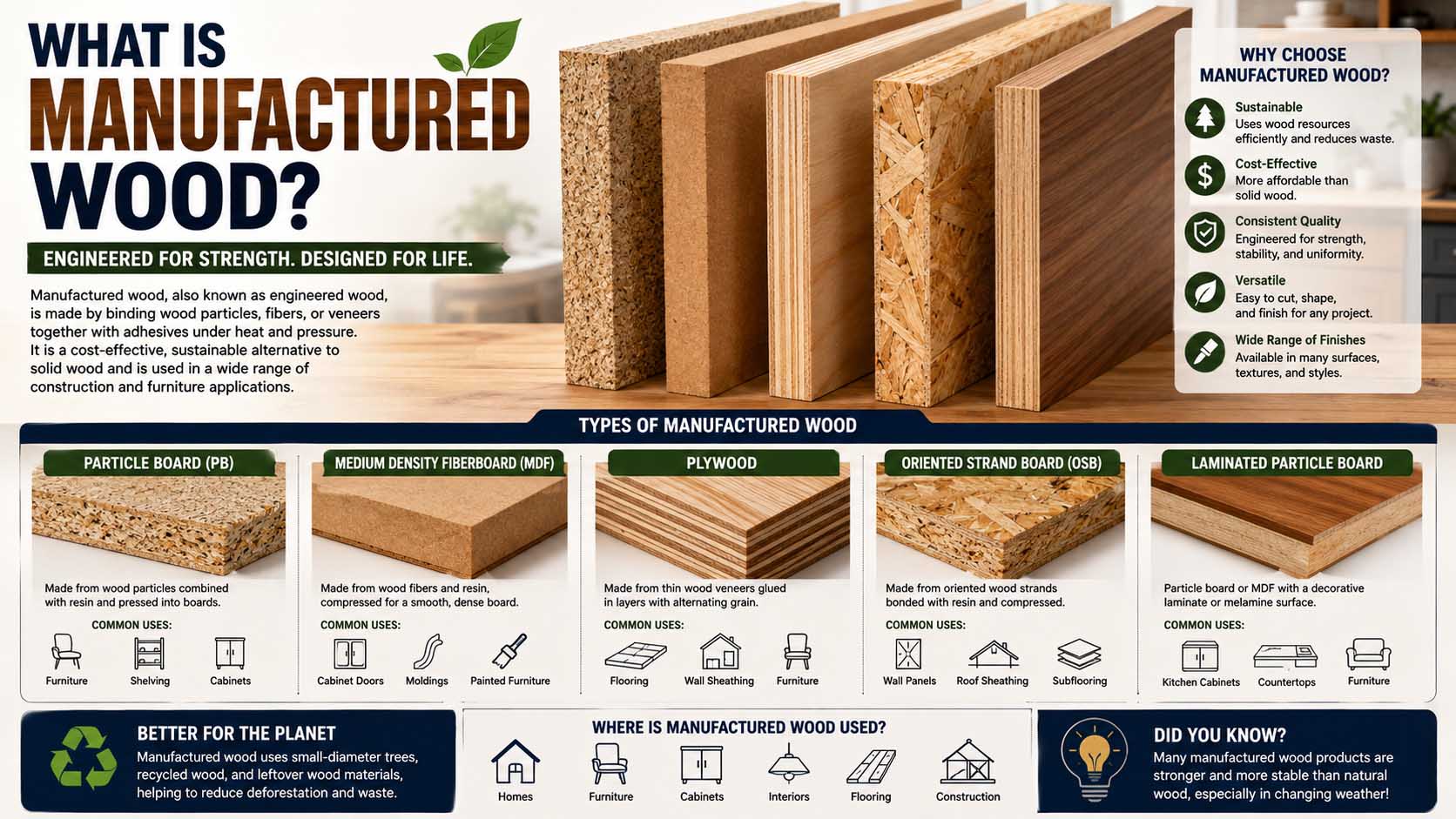
If you have shopped for a desk, dresser, bookshelf, bed frame, or cabinet online, you have probably seen “manufactured wood” listed under materials. So, what is manufactured wood, and should seeing it on a product description affect your buying decision? Manufactured wood is a broad term for wood-based materials that manufacturers create by combining wood fibers, particles, veneers, or layers with adhesives and other binding materials.
That does not automatically make manufactured wood cheap or poor quality. Instead, performance depends heavily on the specific material, its thickness, construction, finish, hardware, and how you use the finished product.
For shoppers, knowing those differences makes it much easier to compare furniture instead of judging everything by the words “manufactured wood.”
What Is Manufactured Wood Made Of?
The answer depends on the type.
Manufacturers can use wood fibers, chips, particles, thin wood veneers, or other wood-derived materials. Then, they combine or layer these components using adhesives, heat, and pressure to create boards with consistent dimensions.
For example, manufacturers make MDF from finely processed wood fibers and resin. Particleboard contains larger wood particles or chips, while plywood consists of multiple thin layers of wood veneer bonded together.
Because several materials fit under the same label, asking what is manufactured wood made of is more useful than assuming every manufactured wood product has identical construction.
This distinction also explains why shoppers researching what is engineered wood may encounter overlapping terminology. Retailers sometimes use “engineered wood” and “manufactured wood” broadly, although specific products can differ significantly in structure and performance.
Common Types of Manufactured Wood
Understanding the major types can help you predict how a piece of furniture may perform.
MDF
Medium-density fiberboard, usually called MDF, consists of fine wood fibers that manufacturers combine with resin and press into dense, smooth panels.
Its smooth surface works especially well for painted furniture because it lacks the visible grain and knots found in natural lumber. Therefore, manufacturers commonly use MDF for cabinets, shelving, decorative panels, and affordable furniture.
However, MDF can be heavy, and standard versions generally do not handle prolonged moisture exposure well. Damaged edges can also be difficult to repair neatly.
Particleboard
Manufacturers create particleboard by bonding wood particles under pressure.
It is often one of the more affordable options, which makes it common in budget desks, wardrobes, bookshelves, and flat-pack furniture.
Although particleboard can work perfectly well for light-duty indoor furniture, its quality varies. Thin panels, weak fasteners, or poor construction may reduce durability.
Likewise, moisture can cause some particleboard to swell or deteriorate, especially when water reaches exposed edges.
Plywood
Manufacturers make plywood by bonding thin layers of wood veneer, usually with the grain direction alternating between layers.
This layered construction can provide good dimensional stability and strength. As a result, manufacturers use quality plywood in furniture, cabinetry, subfloors, and many construction projects.
However, plywood itself comes in different grades. Therefore, shoppers should not assume every plywood product offers the same appearance or performance.
Understanding Manufactured Wood Furniture
When a retailer lists a product as manufactured wood furniture, the main panels or structural components usually contain MDF, particleboard, plywood, or another engineered wood product.
However, a single piece of furniture may combine several materials.
For example, a dresser might have a particleboard body, MDF drawer fronts, a fiberboard back panel, solid wood legs, and a laminate or wood-look veneer surface. Meanwhile, another dresser may use plywood panels with solid wood framing.
Therefore, look beyond the broad material label when evaluating manufactured wood furniture. The actual construction tells you much more about quality.
If you are shopping on a budget, timing can matter as much as material. Learning the best time to buy furniture may help you compare seasonal promotions and clearance periods rather than choosing a lower-quality item solely because its regular price is cheaper.
Manufactured Wood vs. Solid Wood
Neither material wins in every situation. Instead, the better choice depends on your budget, expected lifespan, appearance preferences, and how you plan to use the furniture.
| Feature | Manufactured Wood | Solid Wood |
|---|---|---|
| Material | Fibers, particles, veneers, or wood layers | Natural lumber |
| Price | Often more affordable | Often more expensive |
| Appearance | Highly consistent; many finishes available | Natural grain and variation |
| Weight | Varies; MDF can be quite heavy | Varies by wood species |
| Moisture resistance | Depends heavily on type and finish | Depends on species and finish |
| Repair potential | Can be limited | Often easier to repair or refinish |
| Consistency | Usually very uniform | Natural variations are expected |
| Typical uses | Desks, shelving, cabinets, wardrobes | Furniture, tables, chairs, cabinetry |
Solid wood often appeals to shoppers who value natural grain, repairability, and long-term refinishing potential.
Meanwhile, manufactured wood can provide an attractive, practical product at a lower price. It can also offer smooth surfaces and consistent dimensions that work well with modern furniture manufacturing.
Therefore, paying more for solid wood is not automatically necessary for every purchase.
What Does “Solid Manufactured Wood” Mean?
The phrase what is solid manufactured wood can be confusing because “solid wood” and “manufactured wood” normally describe different material categories.
Solid wood generally means material cut from natural timber. Manufactured wood, meanwhile, comes from wood fibers, particles, veneers, or layers that manufacturers combine into panels.
Some retailers may use phrases such as “solid and manufactured wood” in product specifications. Usually, that means the item contains both materials rather than a special material called solid manufactured wood.
For example, a dining table might use solid wood legs while the tabletop contains MDF with a veneer.
Therefore, check the detailed specifications whenever a listing uses unclear terminology.
Is Manufactured Wood Good for Furniture?
Yes, manufactured wood can be a sensible furniture material when the construction suits the intended use.
For instance, an MDF nightstand may work well in a dry bedroom where it experiences relatively light use. Likewise, a quality plywood cabinet can offer excellent practical performance.
However, a thin particleboard shelf carrying a large collection of heavy books may be less suitable. Over time, inadequate support could allow the shelf to sag.
Consequently, the question should not simply be whether manufactured wood is “good.” Instead, ask whether that particular material and construction suit what you need.
Where It Makes the Most Sense
Manufactured wood can be particularly practical for:
- Bookshelves and storage units
- Desks and office furniture
- TV stands
- Bedroom furniture
- Cabinets
- Flat-pack furniture
- Decorative wall panels
- Budget-friendly occasional furniture
Meanwhile, shoppers buying heavily used dining tables, chairs, or furniture they expect to keep and refinish for decades may place more value on solid wood or higher-grade engineered construction.
Advantages of Manufactured Wood
One major advantage is affordability. Manufacturers can use wood materials efficiently and produce consistent panels at scale. As a result, furniture made from these materials often costs less than comparable solid hardwood pieces.
Another benefit is consistency. MDF, for example, provides a smooth surface without knots or irregular natural grain.
Manufacturers can also produce boards in large, predictable dimensions. Consequently, these panels work well for cabinets, wardrobes, desks, and other products that rely on broad, flat surfaces.
There is also considerable design flexibility. Manufacturers can cover boards with paint, laminate, melamine, or veneers to create many different appearances.
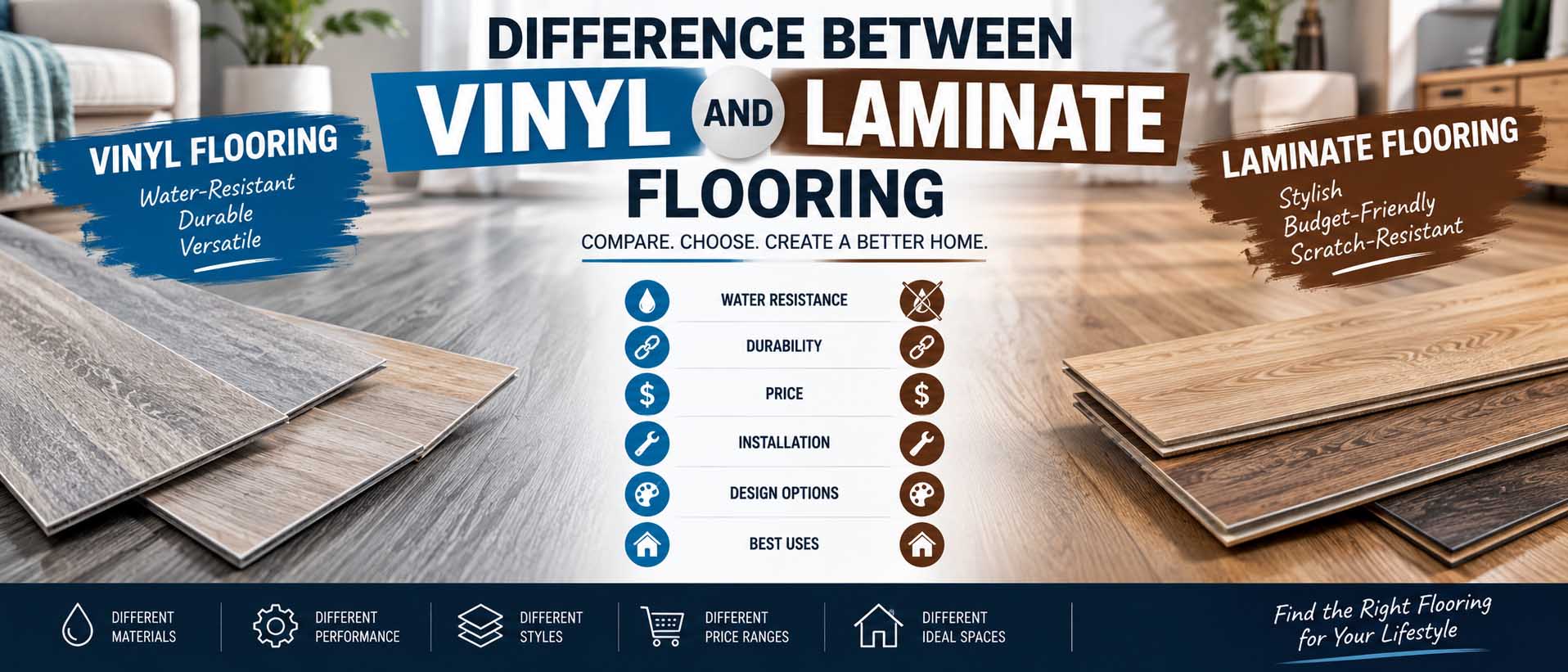
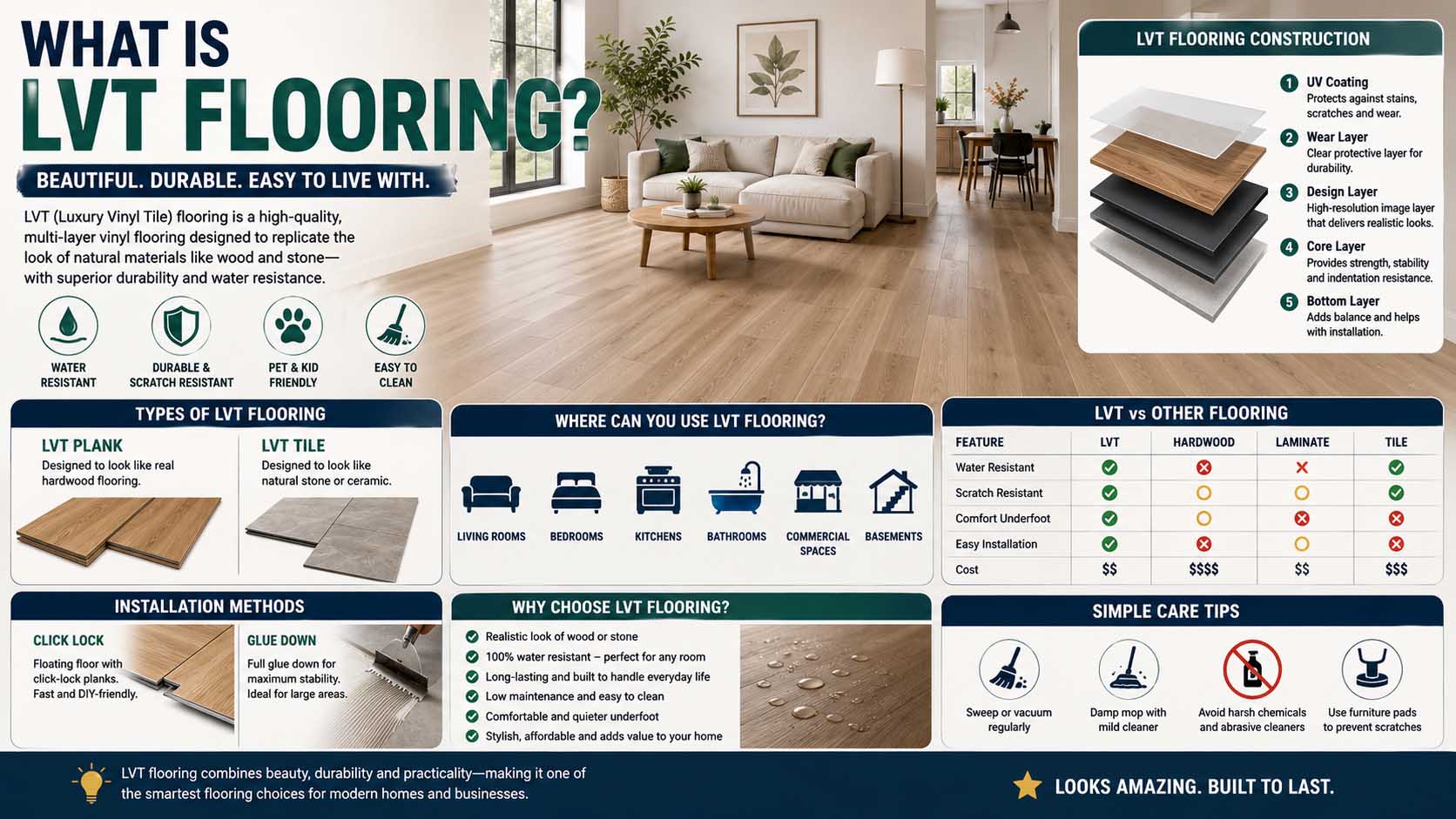
That versatility extends beyond furniture. For instance, shoppers researching what is lvp flooring will notice a similar principle in home products: modern materials can reproduce a wood-inspired appearance without traditional solid hardwood construction.
Disadvantages to Consider
Manufactured wood also has limitations.
First, lower-grade products may not tolerate repeated assembly and disassembly very well. Screws and fittings can lose their grip if the surrounding material becomes damaged.
Second, moisture can be a major concern for some types. Standard particleboard and MDF may swell when water reaches unprotected material.
Third, repair options can be limited. While owners can often sand and refinish solid wood, a thin laminate or veneer surface may restrict how much restoration they can perform.
Finally, the broad “manufactured wood” label tells shoppers relatively little about quality. Therefore, two products carrying the same material description may perform very differently.
How to Judge Manufactured Wood Before Buying
Online listings do not always provide every construction detail, but several clues can help.
Look for the Exact Board Type
Prefer listings that specify MDF, plywood, particleboard, or another recognizable material instead of simply saying “wood.”
Knowing the material makes comparisons easier.
Check Panel Thickness
Thickness can affect stiffness and load capacity, although thicker does not automatically mean better.
For shelving, for example, consider the panel thickness together with shelf width, support placement, and the manufacturer’s stated weight capacity.
Examine the Edges and Finish
A good laminate, veneer, or painted finish should cover visible surfaces cleanly.
Meanwhile, poorly finished edges may become vulnerable to chipping or moisture.
If you plan to repaint an existing piece rather than replace it, techniques used when choosing the best paint for cabinets can also be relevant because surface preparation and paint compatibility vary between MDF, laminate, veneer, and solid wood.
Inspect the Hardware
Furniture quality depends on more than boards.
Look at drawer slides, hinges, connectors, handles, legs, and support hardware. Strong hardware and thoughtful construction can make a noticeable difference in everyday use.
Read the Weight-Capacity Information
This is especially useful for bookshelves, TV stands, desks, beds, and storage furniture.
Do not estimate load capacity solely from how thick or substantial a product appears in photographs.
Manufactured Wood, Adhesives, and Indoor Air
Manufactured wood products may contain adhesives and resins, so shoppers may also encounter information about formaldehyde emissions when comparing products.
In the United States, the EPA’s formaldehyde emission standards for composite wood products apply to regulated composite wood products such as hardwood plywood, medium-density fiberboard, and particleboard.
Therefore, when indoor-air concerns matter to you, check the product’s certification, labeling, manufacturer information, and applicable standards rather than assuming all manufactured wood products use identical materials.
Manufactured Wood and Moisture
Moisture resistance varies considerably.
Standard MDF and particleboard generally work better in dry indoor spaces unless manufacturers specifically design and finish the product for damp environments. Water that reaches exposed material can cause swelling that may remain even after the material dries.
Plywood can offer better moisture performance depending on its construction, adhesive, grade, and finish. Still, plywood is not automatically waterproof.
Therefore, for bathrooms, laundry areas, kitchens, or other moisture-prone spaces, check whether the manufacturer rates the specific product for that environment.
Does Manufactured Wood Look Cheap?
Not necessarily.
A well-made veneer surface can provide the appearance of natural wood, while high-quality laminates can create clean, modern finishes. Manufacturers also widely use painted MDF because its smooth surface accepts finishes well.
Appearance depends on design, edge finishing, hardware, texture, and overall construction rather than the core material alone.
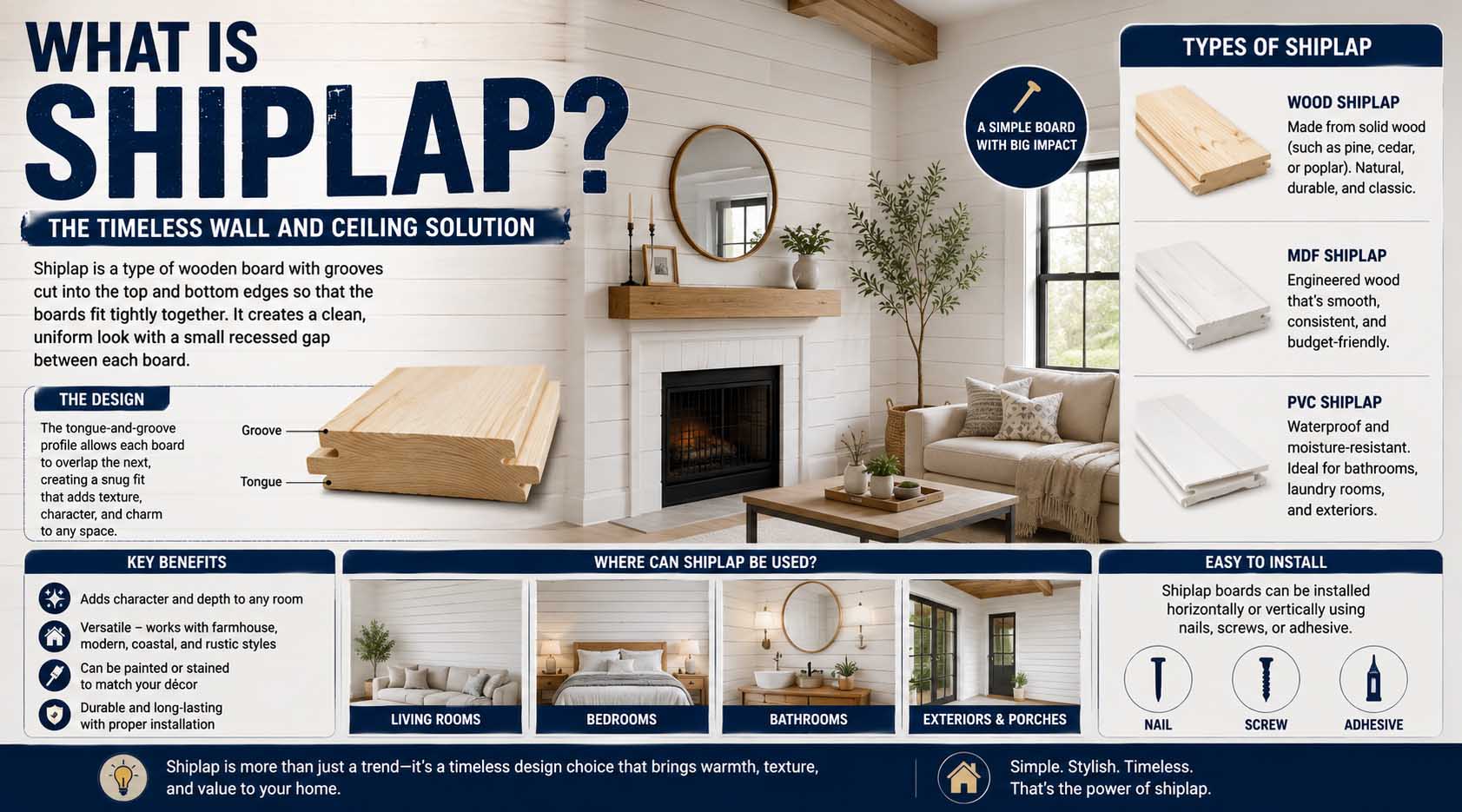
The same idea applies to other decorative building products. Someone learning what is shiplap, for example, will find that the final visual effect depends on profile, material, installation, and finish rather than simply whether the manufacturer used natural lumber.
How Much Does Manufactured Wood Furniture Cost?
There is no meaningful single price range because manufactured wood appears in everything from small budget shelves to large premium cabinets and bedroom sets.
Generally, particleboard furniture occupies many entry-level price categories, while MDF products span budget through mid-range options. Quality plywood construction can cost considerably more.
However, brand, dimensions, hardware, finish, design, retailer, shipping costs, and location can all affect pricing.
Therefore, compare products based on construction and features rather than assuming the most expensive item automatically contains the best materials.
Caring for Manufactured Wood Furniture
Routine care is usually simple.
First, remove dust with a soft, dry or slightly damp cloth. Then, wipe spills promptly so liquid does not remain around seams or exposed edges.
Avoid saturating the surface with water. Likewise, use cleaning products recommended for the specific finish rather than assuming a cleaner designed for natural wood is appropriate.
For desks and tables, coasters or mats can help protect surfaces from spills, heat, and scratches.
Meanwhile, avoid dragging heavy furniture because the stress can damage joints or connectors. Instead, lift and move pieces according to the manufacturer’s instructions whenever possible.
Smart Buying Takeaway
So, from a shopper’s perspective, manufactured wood is not one specific material or quality level. Instead, the term covers several wood-based products, including MDF, particleboard, and plywood, that manufacturers use to create furniture and other household products.
Therefore, do not reject furniture simply because the listing says manufactured wood. Instead, identify the specific board type, inspect the construction details, check weight limits, consider moisture exposure, and decide how long you expect the item to last.
For light or moderate everyday use, a well-designed manufactured wood product can offer good value. However, if repairability, natural grain, heavy-duty use, or long-term refinishing matters most, solid wood or higher-grade plywood construction may justify spending more.
Frequently Asked Questions
Is Manufactured Wood Real Wood?
Manufactured wood contains wood-derived material, but it is not the same as solid lumber. Depending on the product, manufacturers may use wood fibers, particles, chips, or thin veneers combined with adhesives or other materials.
Is Manufactured Wood Better Than MDF?
MDF is itself a type of manufactured wood. Therefore, the comparison is not manufactured wood versus MDF. Instead, shoppers should compare MDF with other manufactured materials such as particleboard and plywood.
Is Manufactured Wood Stronger Than Solid Wood?
Not universally. Strength depends on the exact material, thickness, construction, load direction, and intended use. Quality plywood can be very strong for many applications, while manufacturers design some inexpensive particleboard products mainly for lighter-duty furniture.
Can Manufactured Wood Get Wet?
Some types tolerate moisture better than others. However, standard MDF and particleboard can swell or suffer damage when water penetrates their surfaces or edges. Therefore, check the manufacturer’s moisture rating before using a product in damp areas.
How Long Does Manufactured Wood Furniture Last?
There is no fixed lifespan. A well-constructed piece that you use appropriately and protect from moisture may remain functional for many years. In contrast, poorly constructed furniture subjected to heavy loads or repeated moves may wear out sooner.
Should I Buy Manufactured Wood or Solid Wood Furniture?
Choose based on your priorities. Manufactured wood often makes sense when affordability, consistent appearance, and practical everyday use matter most. On the other hand, solid wood may be worth the higher cost when you want natural grain, greater refinishing potential, or a piece intended for very long-term ownership.