
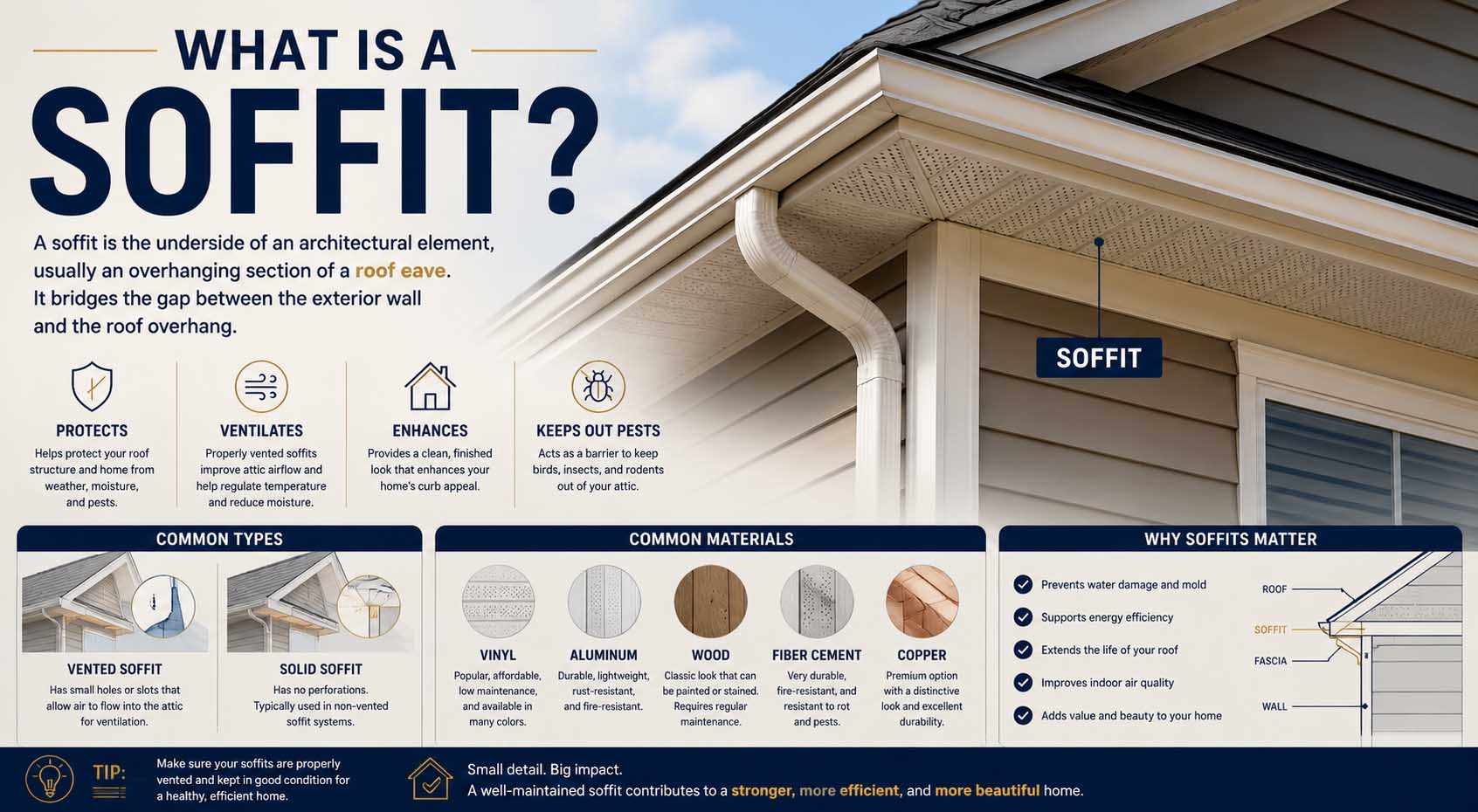
What Is a Soffit? A Practical Guide for Homeowners and Buyers
If you are planning exterior repairs or comparing roofing and siding products, you may be asking what is a soffit and why it matters. A soffit is the finished surface underneath the overhanging edge of a roof, usually between the exterior wall and the fascia board. Although it may look like a simple trim detail, this part of a house can affect ventilation, moisture control, curb appeal, and the overall finish of the roofline.
For shoppers, understanding this exterior component becomes especially useful when buying replacement panels, planning roof work, or comparing aluminum, vinyl, wood, or fiber-cement options. Since these products come in different materials and ventilation styles, the right choice depends on your climate, budget, maintenance preferences, and house design.
What Is a Soffit on a House?
When people ask about this part of a house, they are usually referring to the horizontal or angled surface beneath the roof overhang. If you stand next to your house and look upward at the underside of the roof edge, the panel you see is usually the soffit.
The fascia is different. It is the vertical board that runs along the roof edge and often supports the gutter. Meanwhile, the underside panel sits beneath the overhang.
Together, these components create a finished edge around the roof. As a result, they hide exposed rafters and give the exterior a cleaner appearance.
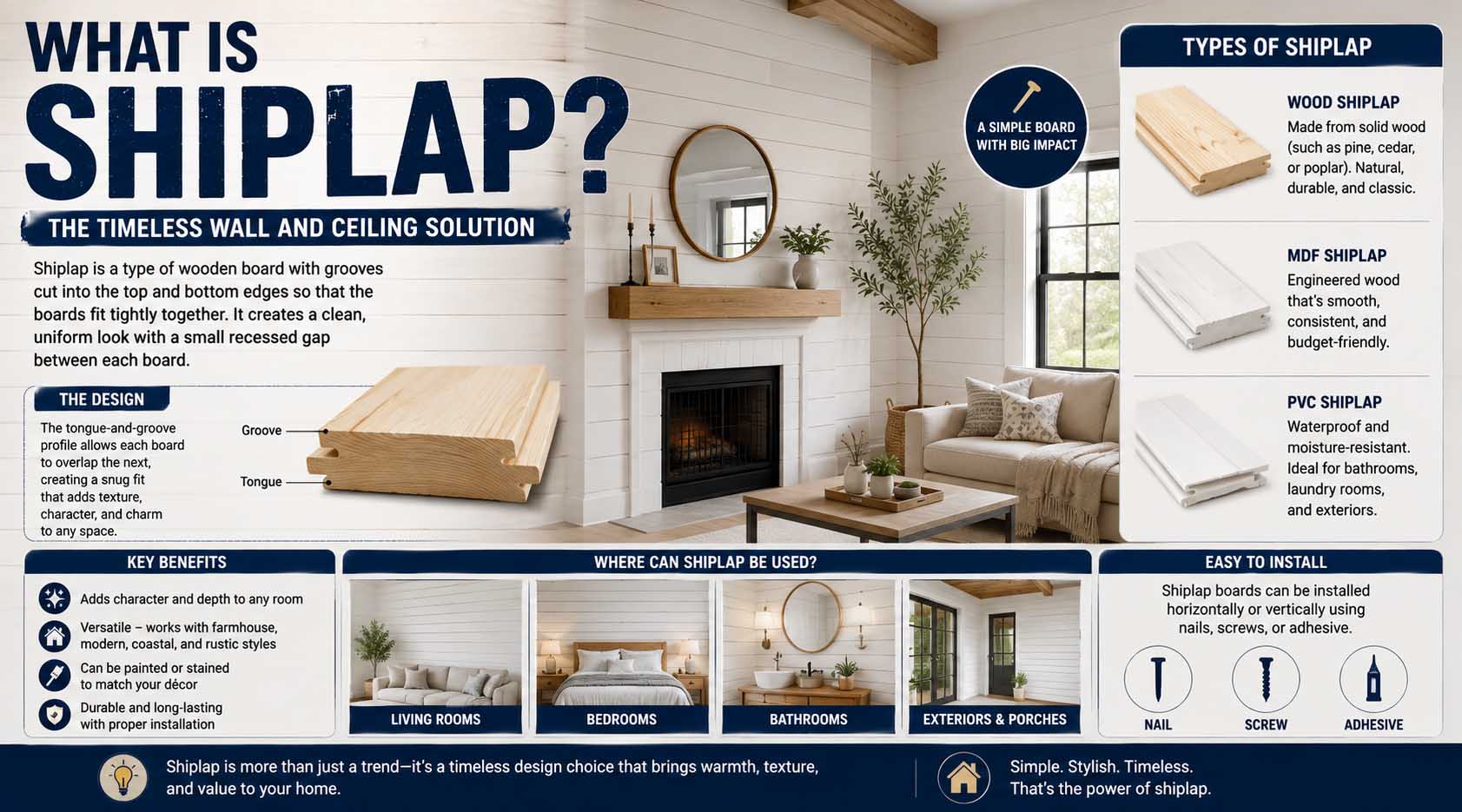
This same type of exterior finishing can matter when comparing architectural details such as what is shiplap, since both involve visible building surfaces that can change the style and finish of a home.
Why Does a House Need a Soffit?
This part of the roof serves more than one purpose. First, it covers the underside of the overhang, which helps create a neat, finished appearance.
Second, ventilated panels can allow fresh air to enter the attic. That airflow can help manage trapped heat and moisture when the attic ventilation system is designed correctly.
Third, these panels help shield parts of the roof structure from direct weather exposure. They are not waterproof barriers by themselves, yet they cover rafters and other components that would otherwise remain visible.
Finally, the finished underside contributes to exterior design. A color that matches or complements the fascia, siding, windows, and trim can make the whole exterior look more coordinated.
What Is a Soffit Vent?
A common follow-up question is what is a soffit vent. It is an opening or perforated section built into the underside of a roof overhang that allows outside air to enter the attic.
In a properly designed attic ventilation system, intake openings near the lower part of the roof work with exhaust vents higher on the roof. As a result, air can move through the attic rather than remaining trapped.
The U.S. Department of Energy guidance on ventilation explains the broader role ventilation plays in managing airflow and moisture. However, the correct roof ventilation arrangement depends on the home’s design and local conditions.
If you are buying replacement panels, check whether you need:
- Fully vented panels
- Partially vented panels
- Solid, non-vented panels
- Separate vent strips
Therefore, the right option depends on your roof design and the amount of intake ventilation required.
Comparing the Parts Along the Roof Edge
The terms soffit, fascia, and eave often appear together, which can make them easy to confuse.
A simple way to remember the difference is this:
| Feature | Location | Main Function |
|---|---|---|
| Soffit | Under the roof overhang | Covers the underside and may provide ventilation |
| Fascia | Vertical edge of the roof | Creates a finished edge and often supports gutters |
| Eave | Entire roof edge that overhangs the wall | Helps direct water away from exterior walls |
Although these parts work together, each has a different job. Therefore, when shopping for replacement materials, confirm whether you need underside panels, fascia boards, or both.
The surrounding exterior also matters. For example, different types of windows can change how exterior trim, rooflines, and panel colors look together, especially on homes with strong architectural detailing.
Common Soffit Materials
Manufacturers offer several materials, and each comes with different advantages, drawbacks, and maintenance needs.
Vinyl Panels
Vinyl is one of the most common options because it is lightweight, widely available, and relatively easy to maintain.
It does not require painting in most cases, and manufacturers offer both vented and solid panels. Therefore, it can suit homeowners who want a lower-maintenance solution.
However, color choices vary by brand, and cheaper vinyl can look less substantial than higher-end materials.
Aluminum Panels
Aluminum is another popular low-maintenance option. It resists rot and can handle moisture better than untreated wood.
It is also lightweight and available in vented designs. However, aluminum can dent, so installation and handling require care.
For buyers in areas with changing weather, aluminum may appeal because it does not absorb water the way wood can.
Natural Wood Options
Wood offers a traditional, natural look. It can work especially well on Craftsman, farmhouse, or custom homes.
However, wood generally needs more maintenance. Paint, stain, and sealing may need regular attention, especially in humid or wet climates.
If you like natural exterior materials, wood can look attractive, but the long-term maintenance cost should be part of the buying decision.
Fiber Cement and Engineered Products
Some manufacturers offer fiber-cement or engineered products. These materials can provide a more solid appearance and may resist certain forms of weathering better than traditional wood.
However, they can be heavier and more labor-intensive to install.
As a result, they may suit buyers who prioritize durability and appearance over the lowest upfront cost.
How to Choose the Right Soffit Material
The best soffit material depends on how you balance price, appearance, maintenance, and climate.
For a low-maintenance option, vinyl or aluminum may be practical. Meanwhile, wood may suit buyers who value natural texture and are comfortable with ongoing upkeep.
Before buying, consider:
- Your local climate
- Whether attic ventilation is needed
- Existing fascia and siding materials
- Desired color and finish
- Maintenance requirements
- Installation method
- Budget
- Availability of matching trim pieces
Your home type can also influence your choice. For example, someone researching what is a modular home may discover that many factory-built homes use coordinated exterior systems, so replacement dimensions and finishes may need to match the original construction closely.
Vented vs. Solid Soffit
One of the biggest buying decisions involves choosing between vented and solid panels.
Panels Designed for Airflow
Vented products contain perforations or openings that allow air into the attic.
They commonly form part of a roof’s intake ventilation system. However, their usefulness depends on how the entire ventilation system works.
Panels Without Ventilation Openings
Solid products have no ventilation holes.
They may be used in areas where intake ventilation is not needed or where the roof design uses another ventilation method.
Some homes use a combination. For example, vented sections may appear at regular intervals while the remaining areas stay solid.
Before replacing panels, avoid assuming the old configuration is automatically correct. If attic ventilation is part of the project, a roofing professional can help determine the appropriate setup.
Soffit Sizes and Panel Styles
Roof overhang products come in several widths and profiles. Common panel dimensions vary by manufacturer, so measuring before purchase is essential.
Some systems use narrow interlocking panels, while others use wider sheets or boards.
You may also see different surface styles, including:
- Smooth finishes
- Wood-grain textures
- Beaded profiles
- Flat panels
- Perforated designs
The profile mainly affects appearance, while perforations affect ventilation.
Therefore, shoppers should confirm both the visual style and the functional requirements before ordering material.
Soffit Cost and Installation Factors
Prices vary widely depending on material, brand, panel size, finish, location, and whether installation is included.
Vinyl is often among the more budget-friendly options, while wood, premium aluminum, fiber cement, and custom products can cost more.
Labor can also become a major part of the project cost. High rooflines, difficult access, damaged fascia, gutter removal, or extensive repair work can increase the final price.
For this reason, compare total installed cost rather than panel price alone.
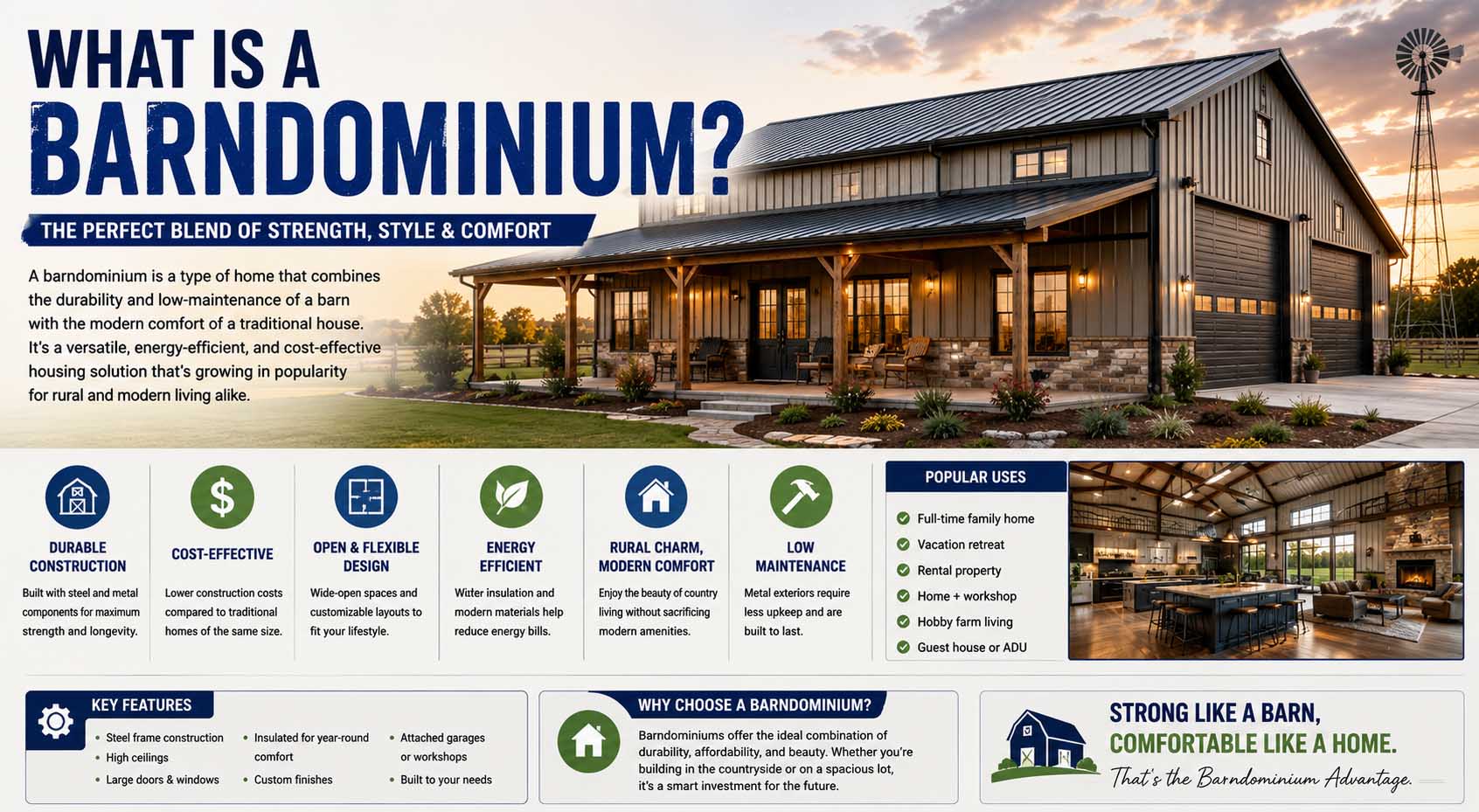
If you are renovating a less conventional property, such as one covered in a guide about what is a barndominium, installation costs may differ because roof overhangs, spans, and exterior details can be larger or less standard than on a typical suburban house.
Warning Signs That Repairs May Be Needed
Roof-edge panels can last many years, yet age and moisture can eventually cause damage.
Common warning signs include:
- Peeling or bubbling paint
- Cracks or holes
- Rotting wood
- Sagging panels
- Rust or corrosion
- Pest damage
- Visible mold or mildew
- Loose sections
- Poor attic ventilation
Water stains may also indicate a roofing or gutter problem rather than damage to the panel alone.
Therefore, if damage appears, inspect the surrounding roof edge before simply replacing the affected section.
Preventing Moisture Problems
Moisture is one of the biggest threats to wood panels and surrounding roof components.
Leaking gutters, roof leaks, blocked vents, and poor drainage can all contribute to damage.
That is why exterior moisture control should be considered as part of the whole house rather than as one isolated product choice. The same principle applies when homeowners research a vapor barrier crawl space solution, since controlling moisture in one area of a house can protect nearby structural materials and reduce long-term repair needs.
If the roof-edge panels keep deteriorating, replacing the visible material without fixing the moisture source may only provide a temporary improvement.
Mistakes to Avoid When Buying Replacement Panels
One common mistake is purchasing panels based only on color. Appearance matters, yet ventilation needs and material compatibility matter just as much.
Another mistake is buying too little material. Roof edges may contain corners, returns, and angled sections that require extra cuts.
Likewise, shoppers sometimes forget matching channels, fasteners, fascia accessories, and trim.
Finally, do not cover existing vents with solid panels unless the ventilation system has been properly redesigned. Doing so can reduce airflow into the attic.
Cleaning and Routine Maintenance
Maintenance depends heavily on material.
Vinyl and aluminum generally need periodic cleaning and inspection. A mild soap solution and gentle rinsing are often enough for surface dirt.
Wood requires closer monitoring. Watch for peeling paint, cracking, soft spots, or signs of moisture damage.
No matter which material you own, keep gutters working properly and remove debris that blocks ventilation openings.
Also, check the roof edge after major storms. Loose panels are easier and cheaper to repair before wind or water causes larger problems.
Questions Homeowners Commonly Ask
Where Is the Soffit Located?
The soffit is the finished underside of a roof overhang. It sits between the exterior wall and the fascia and may contain vents for attic airflow.
Is It the Same as Siding?
No. Siding covers the vertical exterior walls of a house, while the underside roof material covers the overhanging roof edge.
Are Intake Vents Required on Every House?
Not every roof design uses vents in the overhang. However, many attic ventilation systems rely on low-level openings for intake airflow. The correct setup depends on the roof and ventilation design.
Can the Panels Be Replaced Without the Fascia?
Yes, in some cases. If the fascia is still in good condition, only the underside panels may need replacement. However, contractors often inspect both because damage can affect nearby components.
Which Material Requires the Least Maintenance?
Vinyl and aluminum are often considered lower-maintenance choices. However, each material has its own advantages, so the best option depends on climate, budget, and appearance preferences.
Making the Final Buying Decision
Now that you know what is a soffit, the main buying decision becomes much simpler. First, identify whether your current system uses vented or solid panels. Then, compare materials based on climate, maintenance, appearance, and total installation cost.
For many homeowners, vinyl or aluminum offers a practical balance of price and upkeep. Meanwhile, wood may make more sense when architectural style is the main priority. Whatever material you choose, make sure it works with the roof ventilation system and surrounding fascia rather than treating it as a purely decorative panel.
A well-chosen roof-edge covering can improve the appearance of the roofline, help protect exposed structural areas, and support appropriate attic airflow with relatively simple maintenance.