
Types of Doors: Styles, Materials, Uses, and Buying Tips
Choosing between the many types of doors can feel surprisingly complicated because doors differ in much more than appearance. The right option affects privacy, security, insulation, floor space, maintenance, and how easily people move through a room. For example, a solid exterior door needs very different features from a lightweight closet door, while a bathroom may require moisture-resistant materials that would be unnecessary in a bedroom.
Therefore, the best way to shop is to start with the door’s location and purpose. Once you know whether you need security, space savings, natural light, sound control, or easy maintenance, comparing styles becomes much simpler.
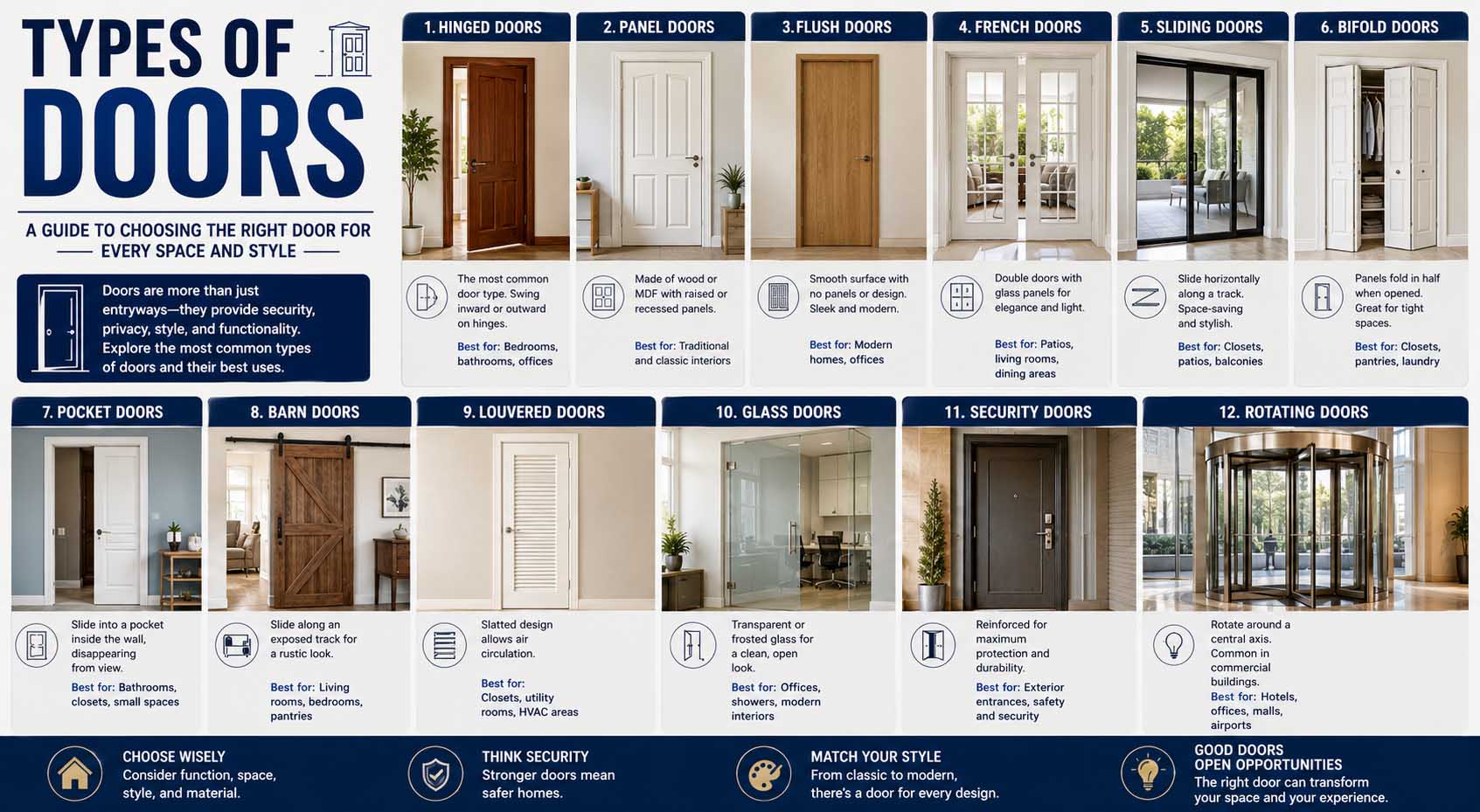
Types of Doors at a Glance
Most residential doors fall into a few broad categories based on how they open and where they are used.
| Door Type | Best For | Main Advantage | Main Consideration |
|---|---|---|---|
| Hinged door | Bedrooms, bathrooms, entries | Familiar and versatile | Needs swing space |
| Sliding door | Patios, closets, compact rooms | Saves floor space | Tracks need maintenance |
| French doors | Dining rooms, patios, offices | Light and open appearance | Needs more wall or swing space |
| Bifold door | Closets, laundry areas | Compact opening | More moving hardware |
| Pocket door | Small rooms | Disappears into wall | Installation can be complex |
| Barn door | Decorative interiors | Saves swing space | Less sound/privacy sealing |
| Dutch door | Kitchens, entries | Opens in two sections | More specialized hardware |
| Pivot door | Modern entrances | Dramatic wide opening | Usually higher cost |
This table gives a quick overview, but the material, frame, hardware, and installation quality can be just as important as the opening style.
Hinged Doors: The Most Common Choice
A traditional hinged door swings inward or outward using hinges attached to one side of the frame.
This is the standard design for bedrooms, bathrooms, offices, and many exterior entrances. Because the hardware is simple and widely available, hinged doors are usually easy to replace, repair, and customize.
However, they need enough open floor space for the door leaf to swing.
For interior rooms, hollow-core doors can keep costs and weight down. Meanwhile, solid-core doors provide better sound reduction and feel more substantial.
Exterior hinged doors need stronger construction, weather resistance, secure locking hardware, and proper sealing.
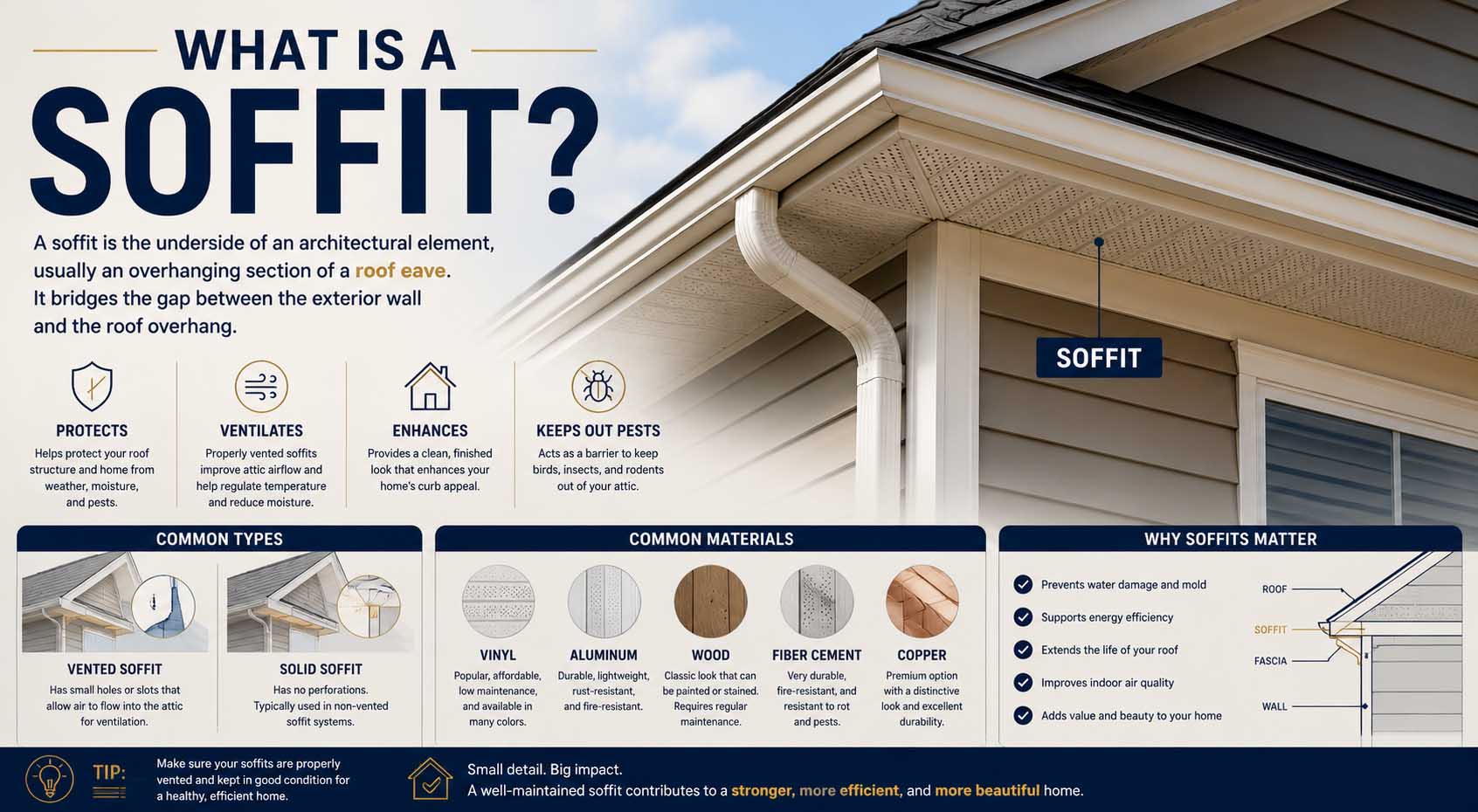
If you are coordinating door replacements with a renovation, comparing types of windows at the same time can help you keep trim style, frame color, and overall architecture consistent throughout the home.
Sliding Doors for Patios and Tight Spaces
Sliding doors move horizontally along a track rather than swinging into the room.
Because of this, they work especially well where floor space is limited.
Large glass sliding doors are common between living areas and patios because they bring in natural light and provide a wide outdoor view. Meanwhile, smaller sliding panels may appear on wardrobes or room dividers.
The main downside is maintenance. Tracks can collect dust, pet hair, and debris, while rollers may eventually need adjustment.
For exterior sliding doors, pay close attention to glass performance, frame material, locking systems, weather seals, and screen quality.
A cheaper sliding door may save money initially, yet poor rollers or weak seals can make it frustrating to use later.
French Doors for Light and an Open Look
French doors usually consist of two hinged door leaves, often with large glass panels.
They are popular between dining rooms, offices, living spaces, and patios because they create a brighter, more open appearance.
When both sides open, they also create a wide passage.
However, French doors need adequate swing space unless you choose an uncommon sliding interpretation of the style.
For exterior installations, look for insulated glass, weather-resistant framing, secure locks, and properly sealed thresholds.
For interior use, buyers can prioritize style and privacy instead.
Frosted or textured glass can provide a compromise when you want light without a completely clear view.
Pocket Doors for Small Rooms
Their biggest advantage is space efficiency. Since the door disappears rather than swinging outward, you can place furniture closer to the doorway.
This makes pocket doors useful for small bathrooms, closets, laundry rooms, pantries, and compact home offices.
However, installation is more involved than installing a normal hinged door.
The wall needs enough internal space for the pocket, while pipes, wiring, and structural components can limit where the system can go.
Repair access may also be less convenient because some hardware sits inside the wall.
Therefore, pocket doors make the most sense during new construction or a larger renovation when the wall is already being opened.
Barn Doors: Stylish but Not Ideal Everywhere
Barn doors hang from an exposed upper track and slide across the wall.
They can create a strong visual feature, especially in farmhouse, industrial, or rustic interiors.
They also save swing space.
However, barn doors typically do not seal tightly around the opening. As a result, they may offer less privacy and sound control than conventional hinged doors.
This matters in bedrooms and bathrooms.
Before buying one, measure the wall beside the doorway. The door needs enough clear wall area to slide fully open without hitting switches, artwork, furniture, or trim.
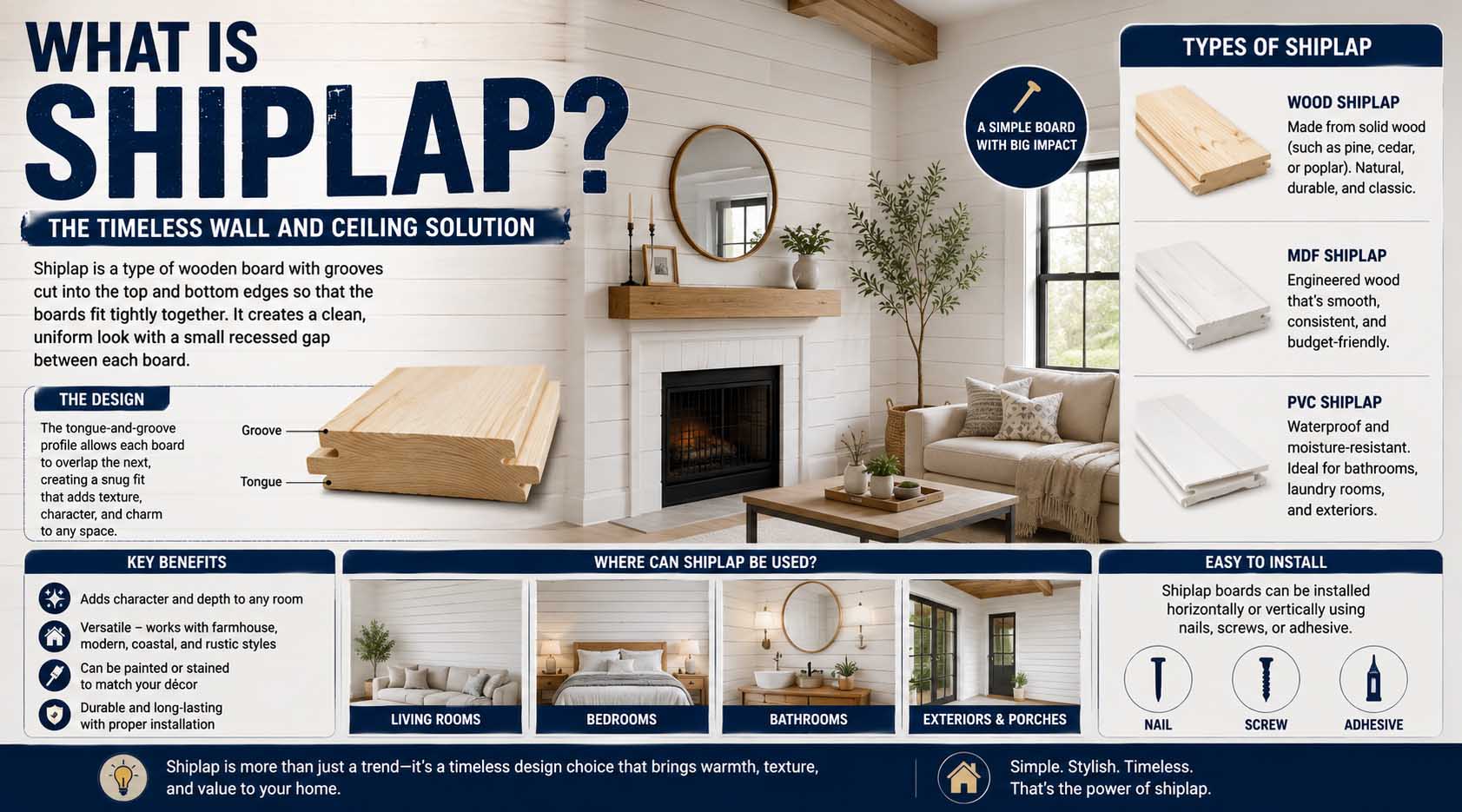
Barn doors can look especially cohesive in interiors that use materials such as what is shiplap wall cladding, although combining too many rustic elements can make a room feel overly themed.
Types of Closet Doors
There are several practical types of closet doors, and the right one depends largely on available space.
Bifold Closet Doors
Bifold doors consist of hinged panels that fold together as they open.
They provide wider access to the closet than many sliding systems while requiring less swing space than a full-width hinged door.
However, hinges and tracks add more moving parts that may eventually need adjustment.
Sliding Closet Doors
Sliding closet doors overlap as they move along a track.
They are excellent for narrow bedrooms because they do not extend into the room.
The tradeoff is that you can usually access only part of the closet opening at one time.
Hinged Closet Doors
Traditional hinged doors provide full access and are easy to repair.
However, they require floor space for the door swing.
They are often the simplest choice when the room is large enough.
Types of Garage Doors
The main types of garage doors differ significantly in how they open.
Sectional Garage Doors
Sectional doors use several horizontal panels connected by hinges. As the door opens, the panels move along tracks and curve overhead.
This is one of the most common residential designs because it works with automatic openers and offers many insulation and style options.
Roll-Up Garage Doors
Roll-up doors use narrow slats that coil above the opening.
They are common in commercial settings, although some residential versions are available.
They save overhead space but may cost more than basic sectional models.
Side-Hinged Garage Doors
These doors open outward like a pair of large traditional doors.
They suit certain traditional homes and garages where the ceiling needs to remain clear.
However, you need clear driveway space for the doors to swing.
When shopping for any garage door, compare insulation value, wind rating where relevant, panel material, opener compatibility, and maintenance requirements rather than choosing based only on appearance.
Types of Shower Doors
Bathroom conditions make types of shower doors a separate buying category because moisture resistance and cleaning matter more than they do for most interior doors.
Frameless Shower Doors
Frameless designs use thick glass with minimal metal framing.
They create a clean, modern appearance and make tile more visible.
However, they usually cost more and require accurate installation.
Framed Shower Doors
Framed doors use metal around the glass edges.
They are generally more affordable and can be forgiving in some installations.
However, the extra framing creates more edges and channels where soap residue can collect.
Sliding Shower Doors
Sliding doors are useful where there is not enough space for a hinged shower door to swing outward.
They work well over tubs and in compact bathrooms.
Before buying any shower door, measure the opening carefully and check whether the walls and shower base are sufficiently level for the manufacturer’s installation requirements.
Types of Cabinet Doors
The many types of cabinet doors can change the entire appearance of a kitchen or bathroom.
Shaker doors remain popular because their simple recessed-panel design works with traditional and modern interiors.
Flat-panel or slab doors create a cleaner contemporary look.
Raised-panel doors provide more detail and suit traditional kitchens.
Glass-front cabinet doors can display dishes or decorative items, although they also expose clutter.
Material matters too.
Solid wood offers natural grain and repairability, while engineered materials may provide greater consistency at a lower cost.
If you are comparing cabinetry materials, understanding what is engineered wood can help explain why products such as plywood, MDF, and other engineered panels behave differently from solid lumber.
Door Materials: What Should You Buy?
Door material affects durability, weight, price, insulation, and maintenance.
Solid Wood
Solid wood provides natural character and can be refinished.
However, it can be expensive and may expand or contract with changes in humidity.
Engineered Wood
Engineered products use wood fibers, veneers, or layers designed into a consistent panel.
These materials are common in interior doors because they can provide stable construction without the cost of premium solid hardwood.
MDF
Medium-density fiberboard offers a smooth surface that works well for painted doors.
It does not have natural wood grain, though, and moisture exposure can be a concern unless the product is specifically designed for damp environments.
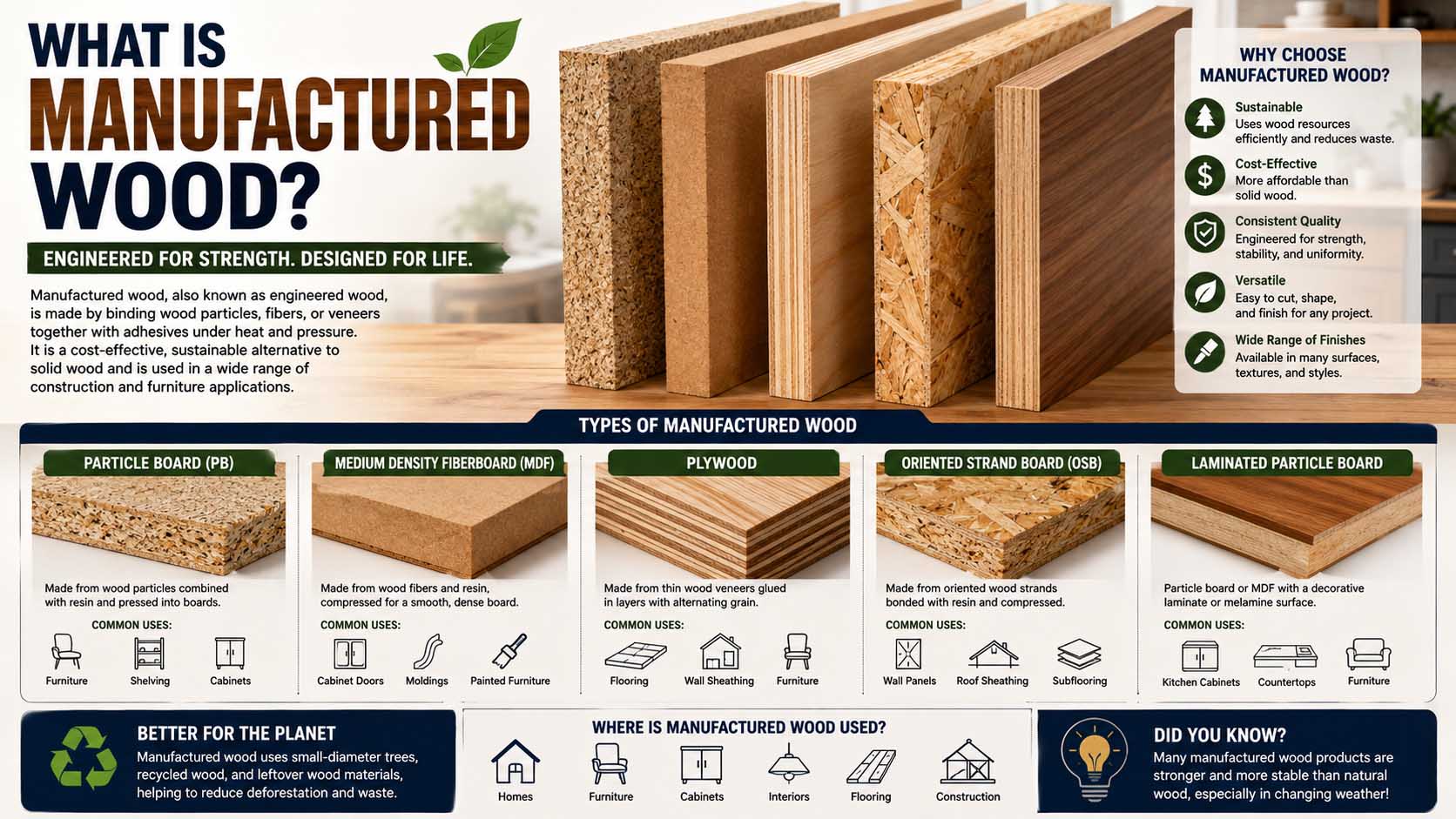
Consumers often confuse engineered and manufactured products, so learning what is manufactured wood can make material descriptions easier to understand while shopping.
Steel
Steel is common for exterior doors because it can provide strength, security, and good value.
However, scratches that expose bare metal may require attention to prevent corrosion.
Fiberglass
Fiberglass exterior doors resist many weather-related problems and can imitate wood grain.
They are particularly useful for buyers who want lower maintenance than traditional wood.
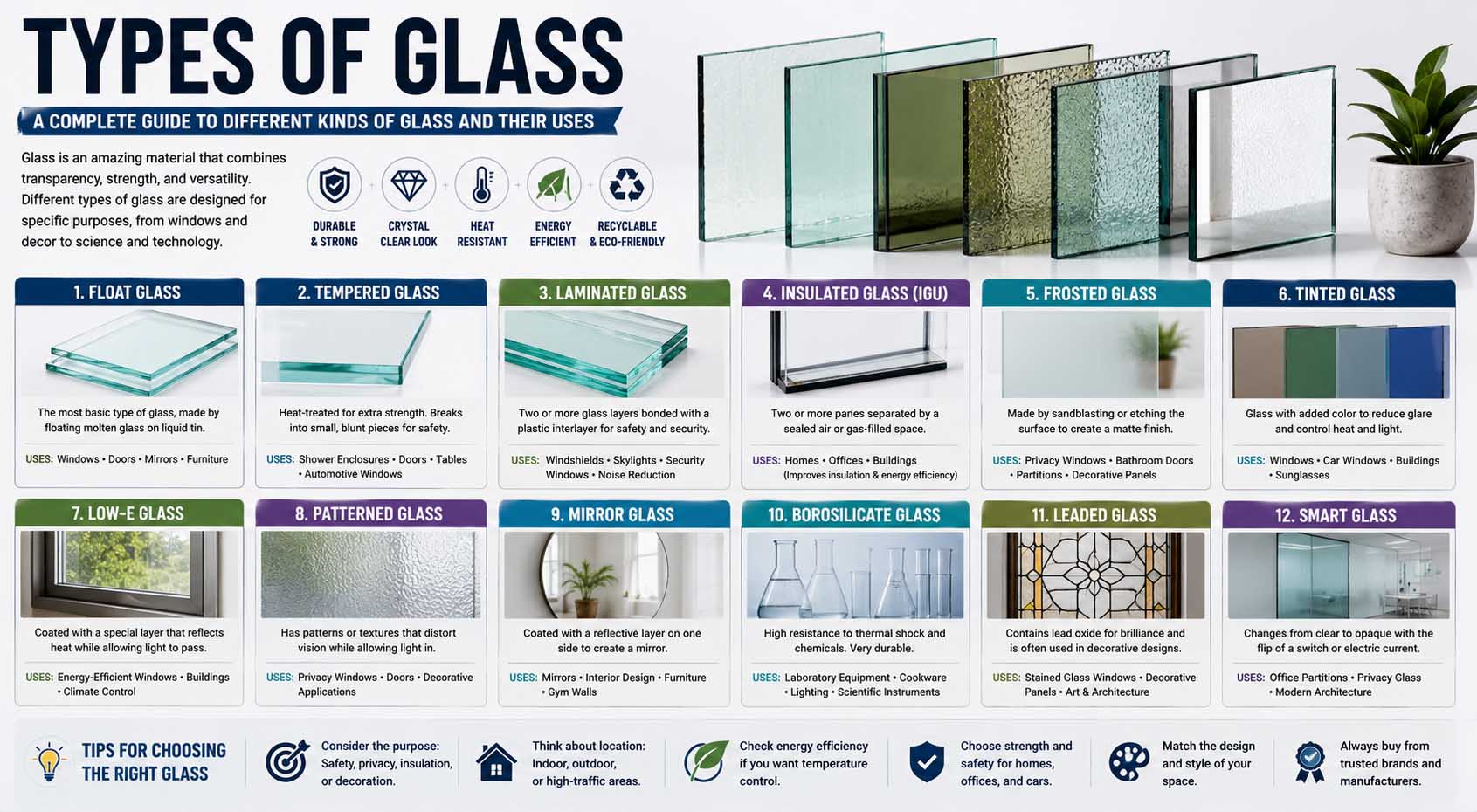
Glass
Glass appears in patio doors, French doors, shower enclosures, and decorative entry systems.
For exterior use, consider insulated glazing and appropriate safety glass. Meanwhile, shower doors require glass designed for that application.
How to Measure Before Buying a Door
A common shopping mistake is assuming that the door slab size and rough opening size are the same.
They are not.
If you are replacing only the door slab, measure the existing door’s height, width, and thickness. Also, note hinge placement and lockset location.
If you are purchasing a prehung door, you need information about the rough opening and wall thickness as well.
For exterior doors, determine whether you need a left-hand or right-hand swing and whether the door opens inward or outward.
When in doubt, follow the manufacturer’s measuring guide. A measurement error of even a small amount can create installation problems.
Choosing Between Painted and Natural Finishes
Painted doors offer almost unlimited color choices and can hide less decorative wood species or composite materials.
Natural stained finishes highlight wood grain but require a surface suitable for staining.
When choosing a painted finish, different types of paint can perform differently depending on whether the door is interior, exterior, wood, metal, or another material.
For frequently touched doors, durability and cleanability matter.
Meanwhile, exterior finishes need to handle sunlight, moisture, and temperature changes.
How Much Do Different Types of Doors Cost?
Door prices vary enormously.
A basic hollow-core interior slab can be relatively inexpensive, while custom solid-wood entry doors, oversized pivot doors, and premium glass systems can cost many times more.
Your final expense can include:
- Door slab or prehung unit
- Frame
- Hardware
- Lockset
- Handles
- Glass options
- Finishing
- Delivery
- Removal of the old door
- Installation labor
Prices vary according to material, brand, retailer, location, custom sizing, and time.
Therefore, compare complete installed cost rather than the sticker price alone.
Common Door-Buying Mistakes
The first mistake is choosing by appearance before considering function.
A beautiful barn door may look perfect online but provide too little privacy for a bathroom.
Another mistake is ignoring swing direction.
A hinged door that opens into furniture, cabinetry, or another door can make an otherwise good room layout frustrating.
Buyers also sometimes underestimate door weight. Heavy solid-core or glass doors may require stronger hinges, frames, and hardware.
Likewise, do not overlook maintenance.
Track-based doors need clean tracks, wooden doors may require finish maintenance, and exterior seals eventually wear.
Finally, verify whether the product includes the frame, hardware, handles, or glass shown in promotional photos. Some listings display complete installations even though the actual package contains only the door slab.
FAQs About Types of Doors
What is the most common type of door?
The hinged door is one of the most common residential styles because it is simple, versatile, and suitable for many interior and exterior applications.
Which door type saves the most space?
Pocket and sliding doors save significant floor space because they do not swing into the room.
What is the best exterior door material?
There is no universal best option. Fiberglass offers low maintenance, steel provides strong value and security, while wood appeals to buyers who prioritize natural appearance.
Are solid-core doors worth it?
They can be worthwhile for bedrooms, offices, and other rooms where improved sound control and a more substantial feel matter.
Which doors are best for small closets?
Bifold or sliding doors often work well because they require less floor space than conventional hinged doors.
Are frameless shower doors better than framed doors?
They provide a cleaner appearance and fewer metal channels, but they are usually more expensive. Framed doors remain a practical choice for many bathrooms.
Should I buy a slab or prehung door?
A slab can work when the existing frame is square and in good condition. Meanwhile, a prehung unit may make more sense when the frame is damaged or the entire doorway is being replaced.
Choose the Door Around the Room, Not the Trend
The best types of doors are the ones that fit how a space actually functions. Start with the opening size, room layout, privacy requirements, exposure to weather or moisture, and available floor space. Then compare materials, hardware, insulation, and maintenance.
For a bedroom, that might mean a quiet solid-core hinged door. Meanwhile, a small closet may benefit from bifold panels, while a patio may call for a large sliding glass system.
Most of all, measure carefully before buying. A well-chosen door should not only look right—it should open comfortably, fit the space correctly, and continue working smoothly long after the installation is finished.